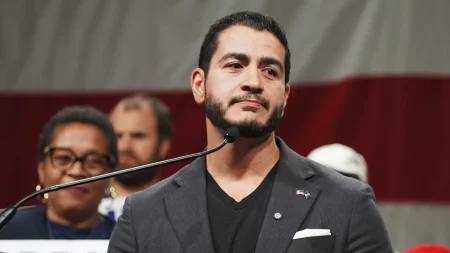




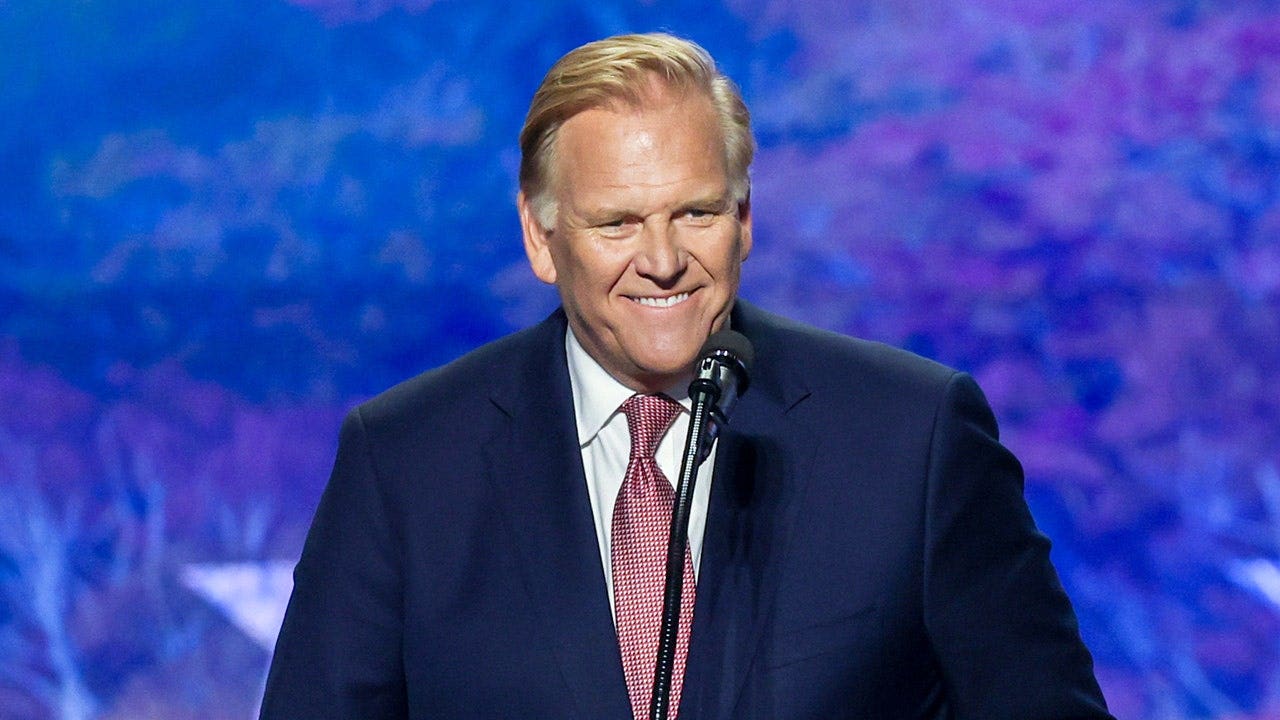
Monday evening’s Fox News town hall in Michigan felt less like a typical political event and more like a family meeting under a harsh spotlight. The room was full of men and women who had left their kitchens and living rooms to hear Republican Senate candidate Mike Rogers speak with Sean Hannity, and there was a noticeable hum in the air—a mixture of anticipation, anxiety, and hope. They knew the stakes. Michigan has become one of the most closely watched battlegrounds in the country, and the race between Rogers and Democratic opponent Abdul El-Sayed could shape the balance of power in the Senate. Rogers stepped onto the stage looking like a man ready for a fight. He didn’t waste time with pleasantries. His first words had a sharp edge, aimed directly at El-Sayed, a doctor and former public health official whose progressive campaign has energized the left. Rogers called him a “manufactured candidate” and accused him of having a “pattern of deception.” Those phrases felt carefully chosen, not just to attack, but to warn. Rogers seemed to be saying: do not trust the polished speeches, do not be fooled by the smiling photo ops, look at the record, look at the positions, and look at what kind of future this man really wants for Michigan.
What followed was a full-throated warning about El-Sayed’s policy agenda. Rogers pulled no punches, labeling El-Sayed the “most extreme candidate” in the race. He claimed that El-Sayed has called for defunding the police and letting criminals out of prison, accusations that were clearly meant to activate the fears of voters who care deeply about public safety. But the most emotionally charged moment came when Rogers invoked the Green New Deal. He called it a “killer” for Michigan, and that one word seemed to hang in the air. It was a deliberate, visceral choice, designed to speak to the anxieties of a workforce that has built its identity around manufacturing, automobiles, and the pride of making things with one’s own hands. In a state where a factory job can still be the foundation of a family’s future, a sweeping environmental transformation can feel threatening rather than inspiring. Rogers painted a picture of struggling families worried about their paychecks, about shuttered plants, and about whether their children will have to leave Michigan to find work. He didn’t just frame the election as a choice between two candidates; he framed it as a choice between protecting a way of life and gambling everything on an ideology that could make life harder for ordinary people.
After the initial storm of attacks, Rogers switched to a message of momentum, and the energy in the room shifted noticeably. He spoke with genuine excitement about his campaign’s ground game, saying volunteers were approaching six million doors knocked across Michigan. Six million. It is a number that almost sounds impossible, but Rogers made it feel personal. Behind every knock was a real conversation with a real voter—a discussion over a porch railing, a quick exchange in a driveway, a face-to-face moment that no tweet or television ad could replicate. Rogers told the audience what he and his volunteers were hearing along the way: “Yes, we’re voting,” “No, we’re not going to be a DSA state,” and “No, we’re not going to let this happen on our watch.” His voice carried the confidence of a man who believes the ground is shifting beneath his feet. He also hinted that his campaign was attracting support from people who had traditionally voted for Democrats, a sign that the old rules of politics may not apply in this election. For the people in that room, it felt like being part of something larger than a campaign—a movement built on thousands of small, ordinary interactions, each one adding to a wave that Rogers hopes will carry him across the finish line.
Then the evening took a turn that no one expected. During the question-and-answer portion, a Jewish woman stood up and spoke from a place of deep vulnerability. She said that she sometimes feels afraid to show her Jewish identity in public. Her words landed like a stone in still water, creating ripples of discomfort and recognition throughout the room. This was no longer about tax policy or election strategy. It was about a woman who should feel safe being who she is but does not. Rogers listened intently. When he responded, he did not turn it into a lecture. Instead, he shared stories he had heard from Jewish students at the University of Michigan, students who admitted they hide their religious symbols because they have been harassed on and around campus. The moment was raw and sobering. It was a reminder that hate is not just a headline or a political talking point; it is a lived reality for many people. Rogers addressed it with a quiet sincerity that seemed to resonate with the audience. In that instant, he was not merely a candidate trying to win votes. He was a neighbor, a listener, a person offering reassurance to a community that has every right to feel anxious. It was a small moment, but it carried a great deal of emotional weight, showing that the issues people face are often more human and more complicated than any speech can convey.
Later in the evening, Rogers turned his attention to the future, specifically the future of Michigan’s young people. He talked about housing, education, and the importance of giving families a real chance to build something durable. He said he wants to make it easier for young adults to buy their first home, a concern that resonates deeply with a generation stuck between sky-high rents and the impossible math of saving for a down payment. Rogers also spoke about bringing more defense industry work to the state, which would mean good-paying jobs for skilled workers and a stronger sense of economic security for communities that have been hit hard by shifting industries. Perhaps the most memorable part of this portion was his call to bring shop classes back to Michigan high schools. Rogers argued with real warmth that not every student wants to go to college, and that is okay. Shop class offers something different—a chance to learn how to build, fix, weld, wire, and create. It opens doors to careers in skilled trades that are in high demand and pay well, without asking young people to take on a mountain of student debt. Rogers spoke about the dignity of working with your hands, and it was clear he believed every word. It was an appeal to parents who want their kids to succeed, to students who are tired of being told that a four-year degree is the only path, and to a state that has always been built on the labor of its people.
As the town hall drew to a close, Rogers returned to where he had begun: the danger of handing Michigan over to an ideology he says the state cannot afford. He warned that Michigan cannot risk his opponent’s vision, and his voice had a final, almost pleading quality. The night had been a rollercoaster—attack lines, hopeful stories, a painful moment of shared humanity, and a vision of opportunity through hard work and skilled labor. Rogers wanted voters to leave the room convinced that he was the only person standing between them and a radical shift that would change their communities forever. El-Sayed’s campaign did not respond to a request for comment from Fox News Digital, leaving the Democratic side silent for the evening. But that silence didn’t diminish the weight of what had just happened. For the people in that audience, the choice was no longer abstract. They had seen a candidate plead his case, speak to their fears, and offer a vision for the future that felt grounded in the realities of Michigan life. In the end, the town hall was not just about one election. It was about a state asking itself who it wants to be, and about voters trying to decide which story feels truest to their own experiences. That is the heart of democracy, and on a cold, tense evening in Michigan, it was on full display.