





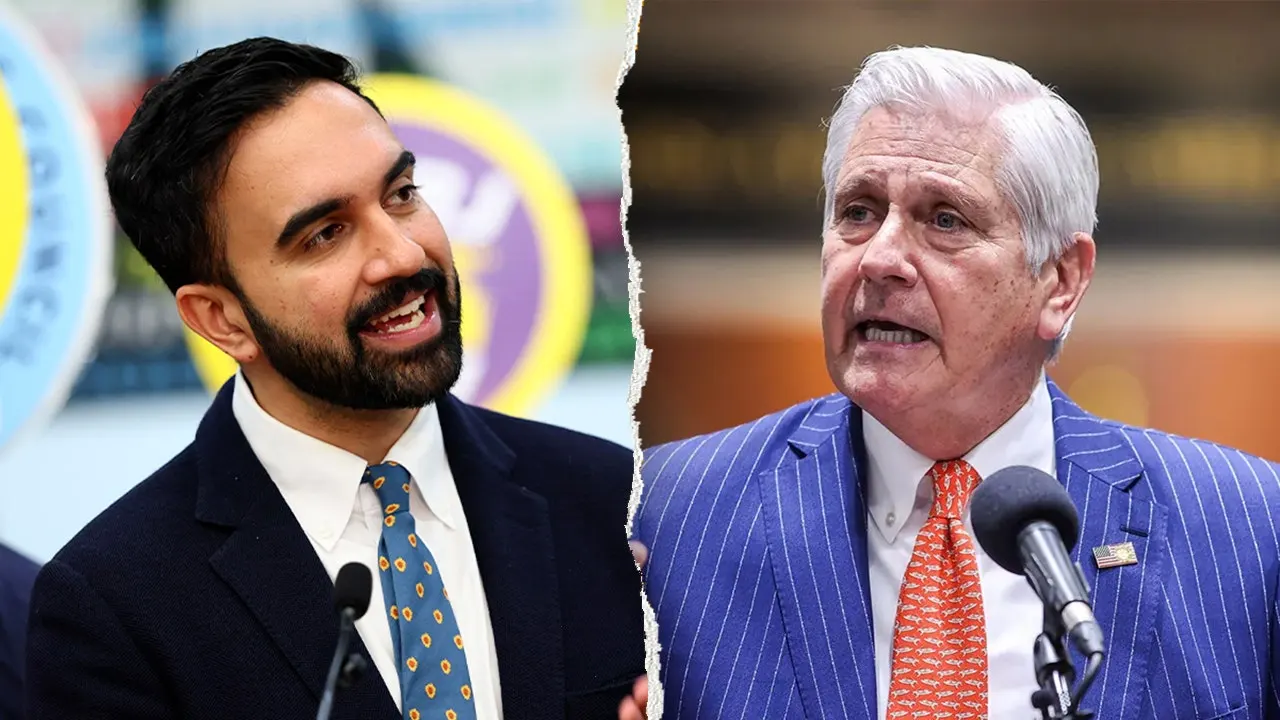
Nearly a quarter of a century has quietly slipped away since the brilliant blue skies of a crisp Tuesday morning in September were torn apart by an act of unimaginable cruelty, forever altering the trajectory of global history and leaving an indelible scar on the soul of America. As the city of New York prepares to mark the solemn twenty-fifth anniversary of the September 11 terrorist attacks, the sacred ground of Lower Manhattan, where the Twin Towers once proudly pierced the heavens, remains a place of profound emotional gravity and collective grief. It is a sanctuary of remembrance where the constant, hypnotic rush of cascading water into the twin abyss-like reflecting pools seeks to drown out the relentless noise of the bustling metropolis, offering visitors a space for quiet contemplation and a physical encounter with the heavy weight of history. The bronze parapets surrounding the pools, etched with the names of the 2,977 victims, serve as a permanent touchstone for families who lost their anchors on that fateful day. Yet, even as the passage of time has softened the physical wounds of the city, replacing twisted steel with soaring glass and quiet groves of swamp white oak trees, the emotional lacerations of that morning remain agonizingly raw, easily reopened by the cultural and political battles of our present era. This year, the anticipated solemnity of the milestone memorial service has been overshadowed by a fierce and deeply personal controversy surrounding who has the moral authority to stand on that hallowed ground. Bruce Blakeman, the Nassau County Executive and a prominent Republican candidate in New York’s highly contested gubernatorial race, has thrust this tension into the national spotlight by issuing a passionate call for attendees to turn their backs on New York City Mayor Zohran Mamdani should he choose to attend the ceremony. This provocative demand has ignited a fierce debate over the boundaries of public grief, the politicization of tragedy, and the unresolved anger that still smolders within the hearts of those who lost everything in the ashes of the World Trade Center, transforming what should be a moment of absolute national unity into a complex battlefield of ideological discord.
To understand the depth of Blakeman’s fury is to understand the enduring, agonizing legacy of personal loss that hundreds of families still carry with them every single day, long after the cameras have packed up and the public has moved on. For Blakeman, September 11 is not a historical event to be studied in textbooks or a convenient political talking point; it is a permanent, painful branch on his family tree, marked by the tragic and sudden death of his nephew in the collapse of the South Tower. When Blakeman speaks of the memorial ceremony, he does not view it through the cold, calculated lens of civic duty or campaign optics, but rather through the warm, tear-stained lens of a grieving relative who still feels the phantom pain of a loved one snatched away in an instant. He has powerfully and evocatively likened the annual gathering at Ground Zero to a traditional wake—a deeply intimate, sacred ritual of mourning where the presence of anyone who is unwelcome, or who does not share the fundamental grief and values of the family, is felt as a profound and jarring desecration. In Blakeman’s eyes, the mayor’s presence would be a discordant note in an otherwise harmonious symphony of sorrow, an intrusion that violates the unwritten, sacred code of respect that must govern spaces of mourning. By suggesting that families and attendees silently and peacefully turn their backs on Mayor Mamdani, Blakeman is advocating for a form of protest that is quiet yet devastatingly expressive, a physical manifestation of a community drawing a protective boundary around its sacred dead to shield them from what they perceive as political opportunism and profound hypocrisy. This silent rejection represents a delicate threshold between public obligation and personal bereavement, highlighting the difficult tightrope that families must navigate every year as the world watches their private pain broadcast on a global stage.
The catalyst for this intense emotional boycott is rooted in a bitter and growing ideological dispute over Mayor Mamdani’s public rhetoric and political associations, particularly his controversial stance on global conflicts that many New Yorkers feel hits far too close to home. Critics like Blakeman have been deeply incensed by Mamdani’s refusal to condemn the phrase “globalize the intifada,” a slogan that has reverberated through recent protests and carries deeply painful, violent connotations for many in the metropolitan area, which is home to the largest Jewish population outside of Israel. To the families of the victims, and to the tight-knit, fiercely loyal community of New York firefighters who lost three hundred and forty-three of their brothers on that terrible morning, such rhetoric is not an abstract exercise in free speech, academic debate, or progressive activism; it is perceived as an active, terrifying endorsement of the very same brand of radical, violent extremism that brought down the towers. The argument put forth by Blakeman and his supporters is simple yet devastating: one cannot genuinely honor the victims of a terrorist attack while simultaneously harboring sympathy for, or refusing to denounce, language that calls for globalized violence and ideological warfare. For many first responders who spent grueling months digging through the toxic, smoldering ruins of Ground Zero, and who continue to watch their colleagues die of 9/11-related illnesses, the mayor’s perceived tolerance of such divisive and aggressive rhetoric feels like a betrayal of the highest order, effectively disqualifying him from standing alongside those who sacrificed everything to defend the city from terror and hate.
On the other side of this painful divide stands Mayor Mamdani himself, who has steadfastly maintained his intention to attend the ceremony, viewing his participation not as an act of political defiance, but as a fundamental obligation of his office and a personal expression of solidarity with his fellow New Yorkers. In a poignant statement, the mayor’s office reaffirmed his commitment to standing shoulder-to-shoulder with the survivors, the first responders, and the grieving families who were forever changed by the horror of that day, emphasizing that the promise to “never forget” is a collective vow that transcends individual political differences or personal ideologies. Yet, this message of unity and civic duty has done little to appease a growing, passionate coalition of victims’ families, who have channeled their grief and anger into a powerful grassroots movement, launching a petition on Change.org designed to pressure the National September 11 Memorial & Museum into barring Mamdani from the ceremony altogether. The petition, signed by hundreds of people who lost parents, spouses, siblings, and children in the attacks, articulates a profound sense of unease, arguing that the mayor’s public associations and controversial positions are fundamentally at odds with the values of peace, resilience, and mutual respect that the memorial was built to honor. For these families, the thought of Mamdani standing on the same ground where their loved ones took their final breaths is an unbearable prospect, transforming their annual day of mourning into a source of deep anxiety and distress, leaving them feeling that their sacred grief is being compromised for political posturing.
Caught in the crossfire of this escalating cultural battle is the National September 11 Memorial & Museum, an institution charged with the monumental, almost impossible task of preserving the memory of the fallen while navigating the treacherous, highly polarized waters of contemporary politics. In response to the growing public pressure to exclude the mayor, a spokesperson for the museum delivered a powerful defense of the institution’s long-standing commitment to keeping the annual commemoration strictly non-partisan, emphasizing that the remembrance of those lost on 9/11 should never be weaponized for political gain. The museum’s established protocol is designed to strip the event of political theater: while government officials from across the political spectrum—including sitting presidents, governors, and mayors—are invited to attend to bear witness, they are explicitly barred from delivering speeches or making remarks, relegated instead to a designated area where they must stand in silent contemplation alongside the public. This policy represents a delicate, noble attempt to create a sanctuary of quiet reflection, a space where the names of the dead are read aloud by their loved ones, free from the noise of campaigns and political posturing, accompanied only by the tolling of a silver bell and moments of silence marking the key moments of that tragic morning. However, in an era marked by deep tribalism and hyper-polarization, the museum’s challenge of maintaining this boundary becomes increasingly difficult, as the mere physical presence of a controversial public figure is now viewed by many as an inherently political act that threatens to shatter the fragile peace of the memorial, turning a place of healing into a symbol of division.
This painful dispute ultimately serves as a stark and melancholy reflection of how much New York, and indeed the entire nation, has changed in the twenty-five years since the towers fell, a theme echoed in the cautious reflections of former New York Governor George Pataki. Pataki, who stood alongside Mayor Rudy Giuliani in the smoking ruins of Ground Zero and helped guide a shattered state through its darkest hours, confessed to a deep internal struggle when asked about the controversy, noting that while his natural instinct is always toward inclusivity and unity, the unique and sacred nature of September 11 makes it a profound exception to the rule. In the immediate, agonizing aftermath of the attacks, New York was defined by a beautiful, heartbreaking sense of solidarity, a time when political, religious, and racial divisions were completely swept away by a tidal wave of shared grief, mutual aid, and quiet heroism. Today, however, that hard-won unity has largely evaporated, replaced by the same bitter polarization that infects every aspect of modern public life, leaving New Yorkers to grapple with the painful reality that even their most sacred memories are no longer safe from ideological warfare. As the city approaches this major anniversary, the clash over who belongs at Ground Zero is a poignant reminder that the wounds of 9/11 are not historical artifacts to be preserved behind glass, but living, breathing sources of pain that continue to shape the soul of the city, leaving us to wonder if we will ever find our way back to the shared humanity that once defined us in our darkest hour.