


Here is a summary and humanized version of the article, expanded to meet the requested length and tone.
—
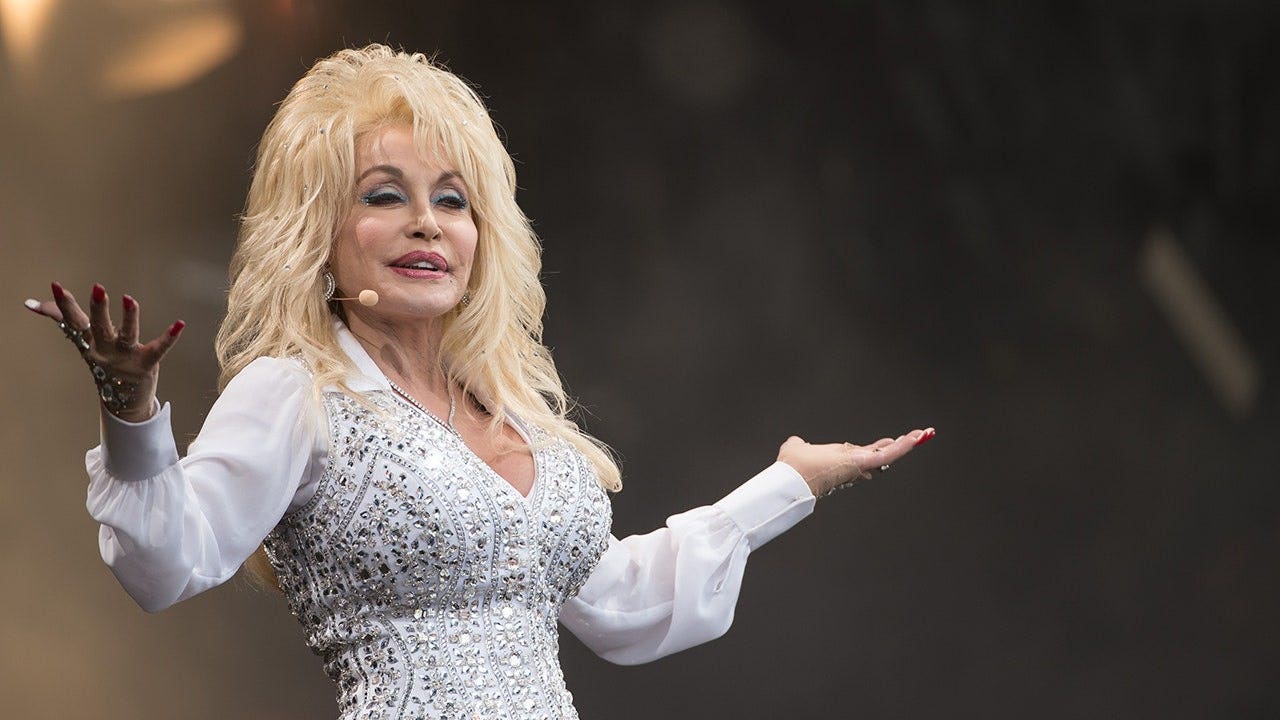
In the small, close-knit city of Olive Branch, Mississippi, a quiet controversy has been brewing over a piece of cloth and a beloved country music icon. Mayor Ken Adams found himself at the center of a public debate after he made the decision not to lower the American flag to half-staff to honor the passing of Dolly Parton. While the decision might seem like a minor municipal formality to some, it has ignited a passionate conversation about the true meaning of national symbols, the nature of heroism, and the criteria we use to bestow honor upon those who have left their mark on the world.
At the heart of the matter is a fundamental disagreement about the purpose of the flag itself. For Mayor Adams, the act of lowering the Stars and Stripes is a solemn and sacred gesture, one that should be reserved for a very specific and rare category of individuals. He articulated this perspective clearly in a post on the city’s official Facebook page, explaining that in his view, the honour is meant for those who have made the ultimate sacrifice for their country, or who have held the highest offices of national leadership. His list was specific: military heroes who have died in service, fallen first responders who rushed toward danger, and presidents who have led the nation through times of triumph and turmoil. For him, to extend this honor to anyone else, no matter how famous or beloved, would risk diluting its profound significance. He worried that if the flag was lowered for every well-known celebrity or public figure who passed away, the gesture would lose its power to convey deep national mourning, becoming a routine and ultimately meaningless act.
However, the residents of Olive Branch and people across the nation who caught wind of the story saw things very differently. For them, Dolly Parton was far more than just a country music star. She was a cultural institution, a symbol of resilience, generosity, and down-home authenticity. The comments section of the Mayor’s Facebook post quickly filled with passionate rebuttals, with many arguing that Parton’s contributions to society eclipsed those of a typical celebrity. They pointed to her incredible philanthropic work, most notably her Imagination Library program, which has gifted over 200 million free books to children around the world. They highlighted her unwavering support for first responders and her substantial donations to medical research, including a $1 million gift to fund the Moderna COVID-19 vaccine. These actions, they argued, demonstrated a lifelong commitment to service that went far beyond her entertainment career, making her more than deserving of the highest honors.
The debate quickly grew beyond the specifics of Parton’s legacy, touching on a deeper question of what we, as a society, choose to value and honor. Mayor Adams, to his credit, began his statement by acknowledging that Parton was a “great person” who “brought happiness to millions” and did “tremendous things for others.” He was careful to express his respect for her, clarifying that his decision was not an act of disrespect. He painted a picture of himself as a guardian of tradition, someone tasked with preserving the weight and solemnity of a national symbol. He even added a clever turn of phrase, noting that he wasn’t elected to be a “salute and execute” leader, but to “lead with conviction.” This suggests a man who believes he is taking a principled stand, even if it puts him at odds with the popular sentiment in his own community, holding the line for what he considers to be a matter of protocol and decorum.
But his critics were unimpressed by this defense. For them, conviction should be tempered with wisdom and an understanding of the times. Their counter-argument was steeped in the very real and tangible impact Parton had on people’s lives. They reasoned that if the flag is meant to represent the nation and its values, then who better to honor than someone who embodied the spirit of giving and kindness that Americans aspire to? They saw her not just as a singer, but as a unifying figure in an increasingly divided country, a woman who brought people together with her music and her message of love and acceptance. To them, her impact on the “nation” was as significant, if not more so, than that of many politicians. They directly challenged the Mayor’s definition of “major national leader,” arguing that true leadership is not defined by a political office, but by the positive change one brings to the lives of millions. One commenter poignantly argued that she “did more for children and literacy than most politicians ever will,” a powerful statement that reframes the very concept of service and impact.
In the end, the situation leaves Olive Branch, and anyone following the story, with a complex question. Mayor Adams has drawn a clear line in the sand, defending his decision based on a strict interpretation of protocol and a desire to preserve the flag’s sanctity. His stance is understandable, rooted in a deep respect for tradition and the sacrifices of those who have literally fought and died for the flag. Yet, the reaction from the public reveals a shift in how many people view honor in the modern age. They see it as a way to celebrate a life of service, not just a death in service. Dolly Parton, through her music, her philanthropy, and her sheer force of personality, built a legacy that transcended her art. She became a cherished member of the American family, and for many, grieving her loss felt as personal and significant as mourning a national leader. The flag, which serves as an emotional touchstone for the nation’s collective joys and sorrows, seemed to many like the perfect way to express that profound sense of loss. The debate, therefore, isn’t just about Dolly Parton or Ken Adams; it’s a microcosm of a larger, ongoing conversation about who we are as a people, who we choose to celebrate, and how we ensure the symbols we hold dear remain as relevant and meaningful as the values they represent.