


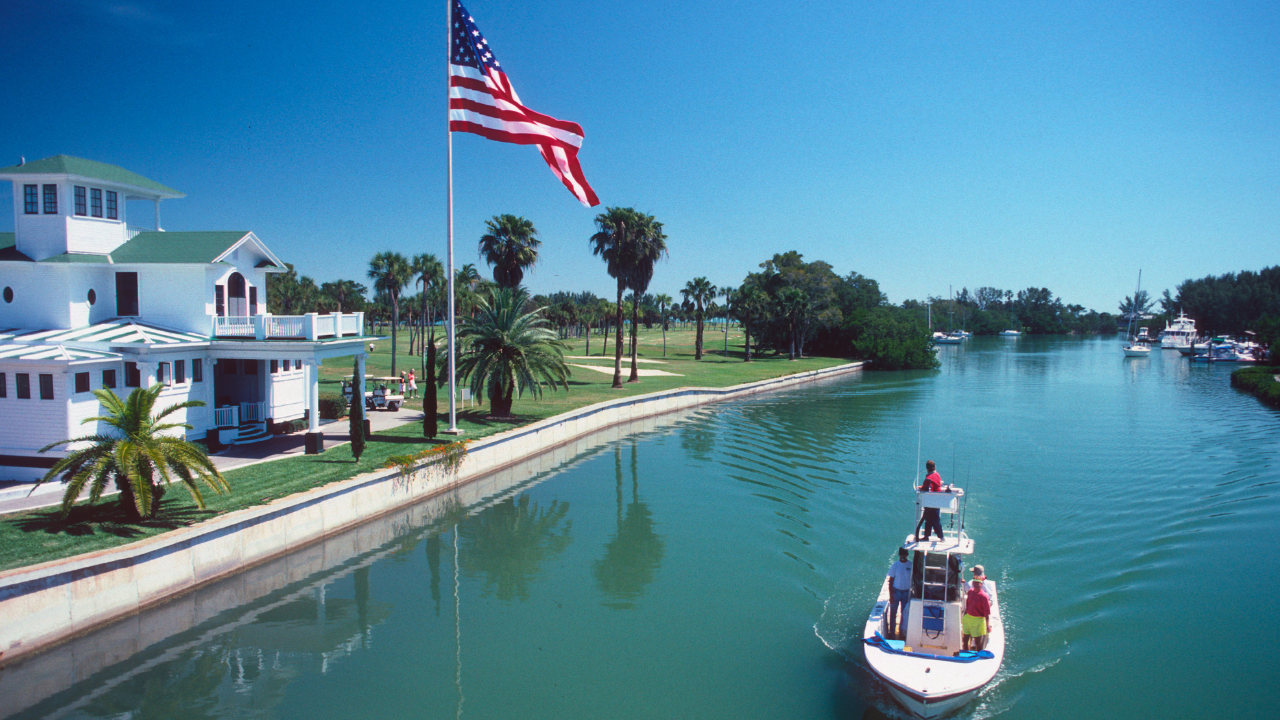
For decades, the search for the American Dream has been defined not just by where we find work, but by how far our hard-earned dollars can stretch. In recent years, this search has fueled a historic exodus from high-tax, high-cost states in the Northeast and West toward the promise of the American South. At the heart of this migration are ordinary families, retirees, and young professionals who find themselves increasingly squeezed by skyrocketing living costs and heavy state tax burdens. Driven by the exhaustion of watching their paychecks erode before they even hit their bank accounts, millions have packed up their lives, rented moving trucks, and headed for states like Florida and Texas. These destinations have long pitched themselves as economic sanctuaries, boasting no state income tax, business-friendly environments, and a lower overall cost of living. Yet, this mass relocation is about far more than just individual savings; it represents a tectonic shift in the nation’s balance of power. As hundreds of thousands of new residents cross state lines, they bring with them immense wealth, consumer spending, and entrepreneurial energy, which in turn alters the political landscape. Congressional seats, Electoral College votes, and national influence are quietly shifting toward the sun-drenched regions of the country, turning what began as simple household budget decisions into a high-stakes competition between governors and state legislatures. Each state is eager to prove that its specific philosophy of governance is the ultimate blueprint for prosperity, creating a dynamic environment where policymakers must continuously innovate to keep their states attractive to newcomers while keeping existing residents happy, secure, and financially stable in an unpredictable economic climate.
In this fierce beauty contest among low-tax states, Florida Governor Ron DeSantis is making a massive, unprecedented bet to secure the Sunshine State’s crown. Recognizing that merely having no state income tax is no longer enough to stand out against major rivals like Texas, South Carolina, or Tennessee, DeSantis is targeting another massive household expense: property taxes. His administration is championing a bold constitutional amendment that aims to dramatically expand the state’s homestead exemption, offering a direct financial lifeline to millions of everyday homeowners. If approved by voters, this aggressive policy would raise the existing homestead exemption from its current $50,000 level to an impressive $150,000 in 2027, before jumping to a staggering $250,000 in 2028. For the average family sitting at their kitchen table trying to balance a monthly mortgage, this policy is remarkably easy to understand and highly attractive. In simple terms, a homestead exemption reduces the taxable value of a primary residence, meaning a homeowner with a $300,000 home might only pay property taxes on a small fraction of that value. By promising to slash tax bills so dramatically, DeSantis is attempting to craft a powerful psychological and economic incentive that could make Florida look irresistible compared to other states. It represents a direct appeal to the homeowner class, signaling that Florida is not just a place to live, but a sanctuary where property ownership is protected, celebrated, and actively shielded from the creeping costs of local government expansion.
This proposed tax relief, however, exposes a profound and difficult tension at the very heart of how communities are built and sustained. For many Floridians, especially senior citizens living on fixed pensions and young families struggling to cope with skyrocketing home insurance premiums and persistent inflation, the prospect of substantial property tax savings feels like a godsend. It means having extra cash for groceries, healthcare, or repairing a roof after a hurricane. However, the flip side of this coin is a looming, massive crisis for the state’s local governments, which rely heavily on property taxes to fund their basic operations. State analysts estimate that this sweeping measure could drain more than $8.4 billion annually from city and county revenues. This is not just abstract money on a ledger; it represents the financial lifeblood of the very services that make a community livable, safe, and desirable. The money generated from property taxes pays for the local police officers patrolling the streets, the firefighters responding to emergencies, the teachers instructing the next generation, and the crews maintaining roads, parks, and water systems. As policy experts point out, while saving money on taxes sounds wonderful in theory, it could lead to a noticeable drop in the quality of life if local municipalities are forced to scale back public services. Homeowners might find themselves with extra money in their wallets, only to find that their neighborhood roads are crumbling, response times for emergency services are longer, and local schools are underfunded—factors that ultimately dictate the long-term value and safety of their homes.
Beyond the immediate concern of underfunded public services lies a subtler, potentially more destabilizing economic concern: the risk of shifting the tax burden onto those who can least afford it. Policy analysts warn that a thirty-six percent reduction in homestead property taxes cannot simply happen in a vacuum without major financial consequences. Local governments, faced with massive budget deficits, will inevitably look for alternative ways to keep the lights on and keep essential services running. Without a clear plan for state-level revenue replacement, cities and counties may feel compelled to raise local sales taxes, implement new user fees, or aggressively increase property taxes on commercial real estate and rental properties. This shift could create a deeply unfair dynamic, where the tax relief enjoyed by primary homeowners is effectively paid for by local business owners, renters, and newcomers who do not yet qualify for the homestead exemption. For a small business owner already struggling to keep their doors open amid rising labor and supply costs, a sudden spike in commercial property taxes could be devastating, forcing them to raise prices or lay off workers. Similarly, landlords facing higher tax bills would almost certainly pass those costs along to their tenants in the form of higher monthly rent. This could worsen the housing affordability crisis for lower-income residents and young workers who are already priced out of buying a home, turning a policy meant to ease financial pain into an unintended burden for the state’s most vulnerable populations.
Because this proposal represents such a fundamental rewrite of the state’s fiscal contract, it cannot simply be pushed through by politicians in Tallahassee; it requires the direct, active consent of the governed. To become law, the proposed constitutional amendment must win the support of at least sixty percent of Florida voters at the ballot box, a high threshold that sets the stage for a passionate, statewide debate. This requirement transforms a complex tax policy into a deeply personal conversation happening in living rooms, diners, and community centers across the state. Neighbors will have to weigh their immediate self-interest against the collective needs of their towns and cities. Voters will be forced to ask themselves difficult questions about what they value most: is it the immediate relief of a lower tax bill, or the long-term stability of their local school system and public infrastructure? Supporters of the amendment are launching aggressive campaigns to convince homeowners that they can trust themselves to spend their own money better than local governments can, while opponents—including municipal leaders, school boards, and public safety unions—are making the emotional case for the preservation of essential public services. This democratic hurdle ensures that whatever the outcome, the final decision will be a true reflection of the collective will of Floridians, who must decide together whether they are willing to take a high-stakes gamble on the future of their communities in pursuit of unparalleled personal tax relief.
Ultimately, the debate unfolding in Florida is a microcosm of a much larger, ongoing national experiment in state-level competition and governance. In an increasingly mobile America, where remote work has freed millions from being tied to a specific physical office, states are no longer just passive geographic boundaries; they are active competitors vying for residents, capital, and cultural influence. If Florida’s voters approve this massive tax cut and local governments manage to adapt without severely degrading public services, the state will have established a powerful new model for economic growth that other low-tax states will undoubtedly rush to replicate. This could force rival states like Texas or South Carolina to push their own tax-cutting agendas even further, sparking a race to the bottom that could reshape the fiscal landscape of the entire American South. Conversely, if the critics are correct and the measure leads to decaying infrastructure, underfunded schools, and rising costs for renters and businesses, Florida could serve as a stark warning about the limits of tax reduction, proving that there is a point where cutting taxes begins to erode the very quality of life that attracted people to the state in the first place. As Americans watch this experiment unfold from afar, the choice Floridians make will echo far beyond the state’s sunny borders, offering crucial lessons to the rest of the nation about the delicate, eternal balance between private wealth and the public good.