





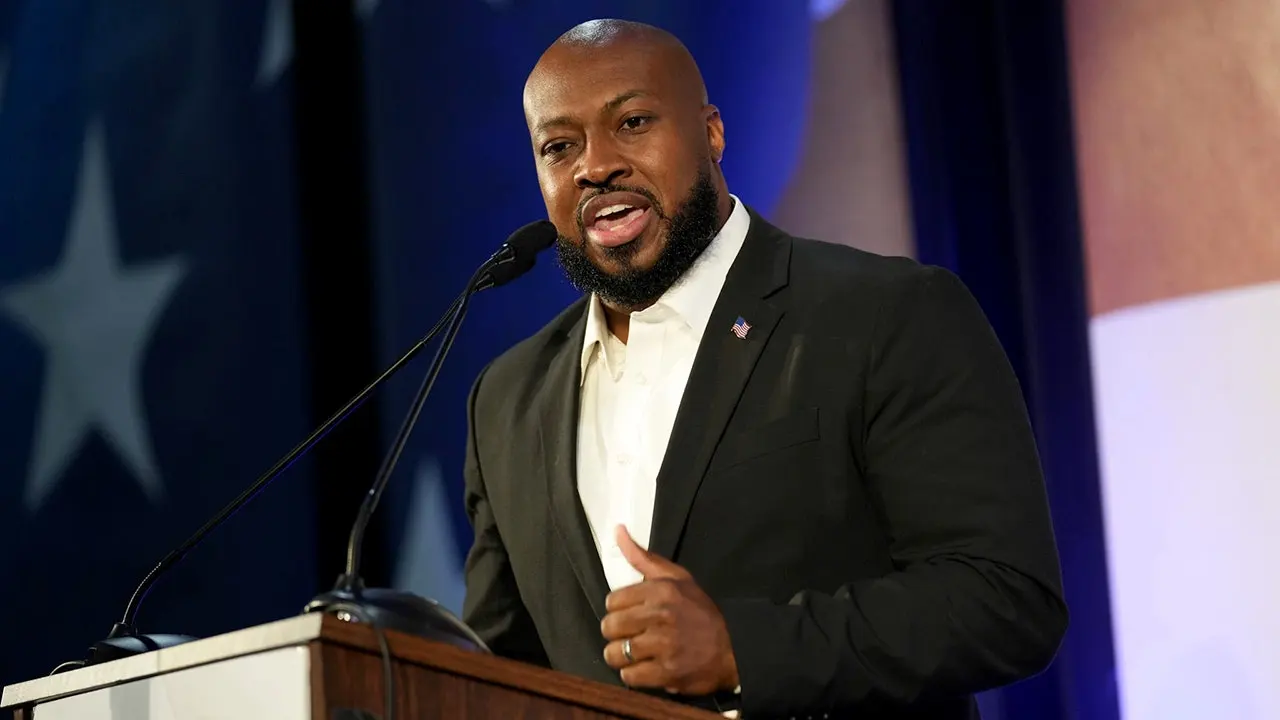
In the high-stakes arena of American politics, we often forget that behind the campaign posters, polished slogans, and televised debates are real human beings with families, vulnerabilities, and limits. Julian Beaudion, a hopeful Democratic candidate vying to challenge incumbent Republican Senator Mike Rounds in South Dakota, recently gave the public a sobering, deeply emotional reminder of this reality. In a poignant announcement, Beaudion revealed he was dropping out of the Senate race, a decision born not out of a loss of political conviction, but out of a profound and urgent duty to his family. Already navigating significant personal financial hardships, Beaudion and his family had recently suffered a devastating house fire that stripped away their physical sense of security. Amidst the literal ashes of their home, his wife, Inkka, and their young daughters showed immense resilience, but Beaudion realized that the sacrifices demanded by a grueling political campaign were simply too great a burden to ask his loved ones to bear during such a fragile time of recovery.
The tragedy of the fire, however, was only the beginning of a much darker chapter for the Beaudion family, exposing the toxic underbelly of modern political campaigning. In his exit statement, Beaudion courageously shared that following the destruction of his home, an opponent and associated individuals targeted his family with intimidating threats, trying to pressure him into dropping out of the race. These were not policy disputes or typical partisan mudslinging; they were deeply personal attacks aimed directly at the mental and physical safety of his wife and children. Faced with a choice between political ambition and his fundamental duty to protect his household, Beaudion chose his family without hesitation, declaring that their healing must come before any public office. While he declined to delve into the specific nature of these terrifying threats to allow his family peace to heal, he promised that the truth of these underhanded tactics would eventually be brought to light.
Standing firm in his principles even as he exited the political stage, Beaudion made it clear that his departure was not a concession or an endorsement of either of the remaining forces in the race. He flatly refused to endorse either the incumbent Republican Senator Mike Rounds or the independent challenger, Brian Bengs, who is now left to face Rounds head-to-head. By refusing to throw his support behind Bengs, who previously ran for Senate as a Democrat, or Rounds, the established political heavyweight, Beaudion signaled a profound disillusionment with the current state of politics. His refusal to play the traditional game of political endorsements underscores his focus on personal integrity and family recovery over party loyalty, leaving South Dakota voters to navigate the remaining field without his guidance.
For Brian Bengs, the independent candidate, Beaudion’s exit reshapes the dynamics of the South Dakota Senate race into a direct, two-person contest against a well-funded incumbent. Bengs, who previously ran a spirited but unsuccessful campaign against Republican Senator John Thune in 2022, quickly sought to capitalize on the shifting political landscape while acknowledging his former competitor’s departure. In a public statement, Bengs commended Beaudion’s “patriotic decision” to step aside, framing it as a selfless act that puts South Dakota first by consolidating the anti-incumbent vote. Bengs urged voters who are frustrated with Washington’s rising costs and perceived corruption to unite behind his campaign, regardless of their political party, as he prepares for a grueling battle to unseat the man he calls “Big Money Mike Rounds” this November.
The news of Beaudion’s withdrawal sent shockwaves through the South Dakota Democratic Party, leaving leaders and supporters grieving the loss of a candidate they believed possessed a rare, genuine connection with the community. State Party Chair Shane Merrill expressed deep sadness over the departure, praising Beaudion as a compassionate, open-minded, and fair leader who made voters feel truly heard, whether in bustling cities, small rural towns, or local Native American reservations. Merrill emphasized that Beaudion had the unique qualities needed to win in November and make a meaningful impact in Congress. Despite the disappointment of losing a strong candidate, Merrill offered his full support and respect for Beaudion’s decision to prioritize his family’s safety, thanking him for his dedicated service to the community.
Ultimately, Julian Beaudion’s sudden exit from the South Dakota Senate race serves as a poignant, cautionary tale about the escalating human cost of running for public office in America today. When political campaigns cross the line from healthy debate into personal intimidation and threats against a candidate’s children and spouse, the democratic process itself is compromised. As the dust settles in South Dakota, voters are left to contemplate a race that has been fundamentally altered by tragedy and hostility, while a young family quietly begins the long, difficult process of rebuilding their lives from the ground up. Beaudion’s story is a powerful reminder that while political terms are temporary, the safety, dignity, and love of one’s family are permanent, and some victories are simply not worth the price of those we cherish most.