


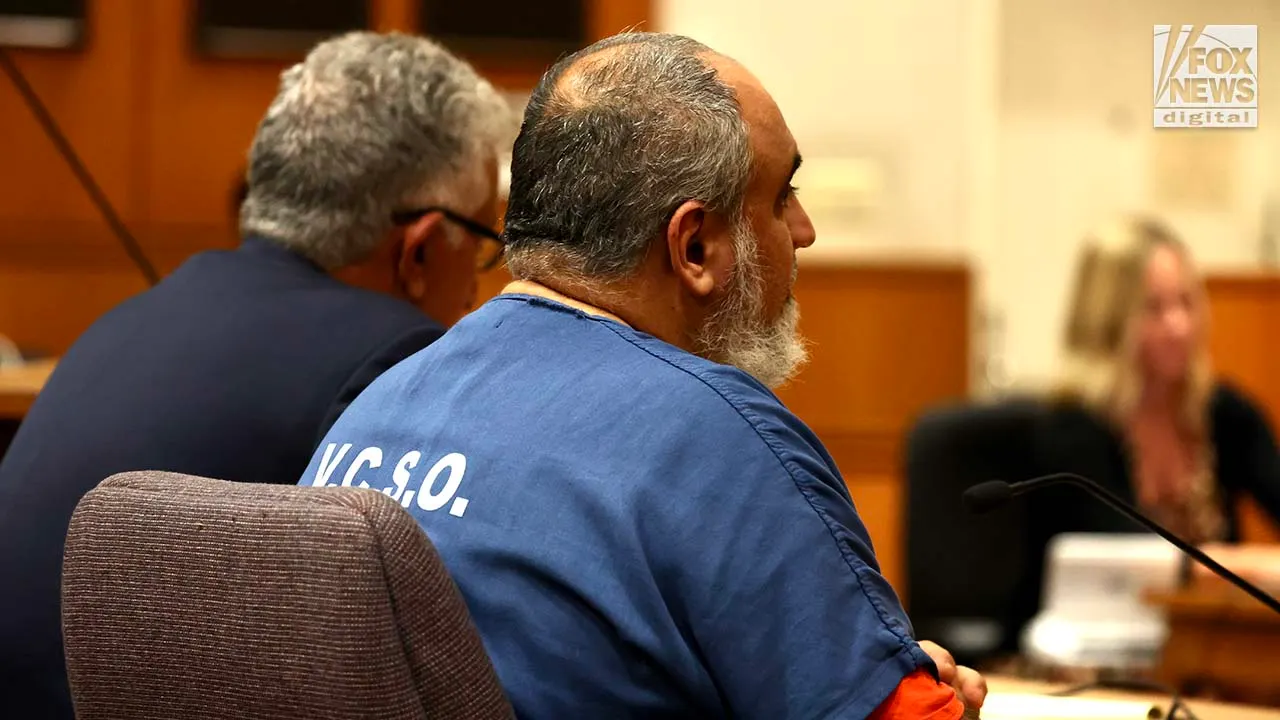
It’s almost surreal, isn’t it? You wake up one morning, sipping your coffee, scrolling through the news, and there it is—a story that hits too close to home, sparking outrage in the Jewish community and beyond. Picture this: a peaceful protest turning into a nightmare under the shadow of global tensions like the Israel-Hamas war. In Thousand Oaks, California, back in 2023, Loay Al-Qasem, a 53-year-old community college professor known for his anti-Israel stances, was holding a megaphone, passionately shouting across the street from supporters of Israel. They were dueling volleys of words, pro-Palestinian on one side, pro-Israel on the other. Then, in a flash, Al-Qasem struck Paul Kessler, a 69-year-old pro-Israel protester, with that megaphone—right in the head. Kessler tumbled backward onto the pavefment, his world spinning into chaos, and tragically, he never made it out of the hospital. The medical examiner’s report was clear: blunt force trauma from that blow led to his death. It’s the kind of moment that replays in your mind, making you wonder how one heated exchange could end like this, especially amidst rising fears of antisemitism in America and elsewhere. Al-Qasem was arrested, facing a trial that could mean up to four years behind bars. But now, the script has flipped. On Tuesday, the Ventura County Superior Court under Judge Derek Malan signaled that, if Al-Qasem changes his plea, he’d likely walk away with probation and maybe a year in jail at most—not the prison time many had hoped for. The district attorney’s office, led by Erik Nasarenko, is fuming, calling it unjust and arguing it won’t deter future violence. They say no sentence can heal the Kessler family’s grief, but prison was needed to show this was no accident. It’s a punch in the gut for a community already on edge, feeling like justice is slipping away. You can almost hear the collective sigh of frustration as people imagine Kessler, an elderly man standing his ground, silenced forever by what started as words. And now, with this plea deal looming, it’s like society is whispering, “Keep protesting, but don’t worry too much about the consequences.” (Word count: 348)
You know, when you dig deeper into stories like this, it’s not just about the hit—it’s about the layers of who these people were and the raw emotions swirling around them. Paul Kessler wasn’t some random face in the crowd; he was a dedicated advocate for Israel, a man in his late 60s who had seen his fair share of life’s battles, spending years rallying for causes he believed in. Friends like Jonathan Oswaks describe him as someone who never backed down, especially amid the intimidating sea of pro-Palestinian protesters that day. Oswaks recounts the scene vividly: the group vastly outnumbered the pro-Israel side, faces pressed close, voices booming through megaphones inches from ears, spewing what he calls a level of hate he’d never encountered before. “Get out of my space!” he yelled, pushing back, only for them to regroup and start again. But Kessler split off, and that’s when tragedy struck across the street. Oswaks, reflecting now, feels the sting of this plea deal—it’s frustrating, he says, raising questions about accountability and sending a dangerous message. As for Al-Qasem, his defense paints a different picture entirely. They claim Kessler had a pre-existing brain condition, perhaps even a history of advocating violence at rallies, and that the fall—or maybe something else—caused his death, not the blunt force as ruled. Judge Malan, offering the plea, shockingly compared it to two old guys arguing and something going wrong by accident. Defense attorney Ron Bamieh spun it as a thoughtful choice for Al-Qasem’s family and community peace, guided by geopolitical tensions. But insiders whisper it was all brokered in quiet talks—judge, defense, even the DA’s office despite their public outrage—and political pressures played a role. It’s human, in a way; people compromise for expediency, but it leaves you pondering: was this really an accident, or was the court downplaying violence? Kessler’s family, initially wanting it wrapped up quietly without trial, now opposes the light deal, pushing for more. And Al-Qasem? He’s at home on $50,000 bail, awaiting June 25 sentencing. In the end, it’s a reminder of how fragile our public spaces are, where one man’s megaphone can echo into a life lost. (Word count: 352)
The Jewish community isn’t just outraged—they’re heartbroken and vigilant, feeling emboldened aggressors like this might walk free. The Anti-Defamation League slammed the potential sentence, warning it could encourage more attacks against Jewish voices in protests. Rabbi Noah Farkas from the Jewish Federation of Los Angeles acknowledged it’s not the harshest punishment they hoped for but welcomed Al-Qasem’s guilty plea as a step toward closure and safer demonstrations. “Our hope is that today’s news helps bring closure to his family and gives our community the ability to demonstrate safely,” Farkas said, a hopeful but weary note in his words. It’s touching to hear that plea from a leader who’s probably fielded countless calls from worried congregants, all echoing the same fears: rising antisemitism, fueled by Islamist and far-left rhetoric, as seen in similar spikes in Germany. Oswaks, Kessler’s friend, put it poignantly—he’s no lawyer, but this handling just feels wrong, like a slap in the face to justice. Imagine being at a rally, heart pounding, shouting for what you believe, only to see your ally toppled, and then hear the system might shrug it off as an “accident.” The DA’s office doubles down: “Al-Qasem should be sentenced to prison for his violent behavior,” they declare, objecting strongly to anything lesser. They point out Kessler’s family wants the max, underscoring the severity. Yet, a defense source claims the family initially just wanted it over quickly, blurring the lines of certainty. Eyewitnesses contradict each other—did anyone really see the full strike? Defense insists contradictions abound, and Kessler’s aggressive history and condition could have swayed a trial. It’s messy, like peering into a fogged mirror, where truth feels subjective. Al-Qasem’s camp asserts he acted with the welfare of his family and peace in mind, almost framing him as a tragic figure caught in a storm of Gaza-Israel tensions. But for the Jewish Journal and others, it’s a clarion call: don’t let this erode accountability. As people tune into Fox News audio for updates, the story lingers, making you reflect on how empathy battles justice in these charged times. (Word count: 349)
Diving into the courtroom drama, it’s like a real-life thriller with twists that keep you guessing. Judge Malan, sensing the plea opportunity, likened the incident to a heated spat between two seasoned guys gone awry—words that must have raised eyebrows in the DA’s office. They participated in those behind-the-scenes meetings, a defense insider claims, though publicly they’re livid, calling it politically motivated to seem tough. “A prison commitment underscores the severity,” DA Nasarenko stressed, perhaps knowing no justice felt fair aftersuch a loss. The victim’s family, trial-averse at first, now screams for maximum time, their grief raw and unyielding. Defense attorney Bamieh paints a sympathetic portrait of Al-Qasem: a man choosing the plea for family and community harmony, amidst Israel-Gaza strife. He challenges the narrative of Al-Qasem as a villain striking a helpless man, citing Kessler’s alleged violence history and brain condition as key to a potential aquittal. “Uninformed or agenda-driven?” he questions skeptics, emphasizing a record that tells “a different story.” It’s eerily humanizing—Al-Qasem as someone weighed down by tragedy, not malice. Yet, the Jewish community sees it differently: an anti-Israel professor using a weaponized megaphone, echoing broader fears. As sentencing approaches June 25, with Al-Qasem free on bail, you can’t help but feel the weight of it all. What if it was your family? Would you accept this closure, or fight harder? In Ventura County’s Superior Court, this case has become a symbol, transcending the street clash to touch on national divides. Fox News making articles audible just amplifies the voices demanding accountability, turning passive reading into an emotional dialogue. It’s a narrative of resilience amid rage, where voices from both sides clamor for their truth, leaving listeners pondering the fragility of protest and peace. (Word count: 314)
Let me step back and paint the bigger picture here, because stories like this aren’t isolated—they ripple through society, stirring debates on antisemitism, free speech, and when protest crosses into crime. The setting was Thousand Oaks in 2023, amid the explosive aftermath of Hamas attacks on Israel, a time when American campuses and streets became battlegrounds. Pro-Palestinian rallies surged, often clashing with pro-Israel ones, and Kessler’s death highlighted the dangers of these inflamed exchanges. Al-Qasem, a professor vocal against Israel, was seen as emblematic of radical rhetoric that some say fuels hate crimes. But his plea deal—probation over prison—feels like a concession, perhaps to avoid a media circus or to appease community pressures. The DA, caught between justice and optics, publicly opposes it, worried it weakens deterrents against similar violence. Communities like those in Ventura County, with their mix of suburban calm and underlying tensions, now grapple with this verdict’s message. Is it safer to speak out, or do megaphones like Al-Qasem’s turn protests lethal? Friends recount the intimidation Kessler faced, outnumbered and yelled at, his fall a tragic end to a day of defiance. It’s heartbreaking to think of elderly advocates like him, standing firm against overwhelming odds, only to be felled. Defense narratives soften Al-Qasem’s image, portraying him not as malicious but as someone navigating family concerns and global crises. Yet, to the Jewish allies, it’s emblematic of a longer war on their safety. As Farkas hopes for closure, it’s clear this plea won’t erase the pain but might quell the storm—at least temporarily. In an era of rising hate, cases like this force us to examine our empathy: for victims, for perpetrators, for families on all sides. Fox News’ audio feature lets us “listen” to these stories, humanizing them beyond headlines, turning cold facts into shared experiences that urge dialogue and understanding. (Word count: 342)
Finally, reflecting on this tale, it’s impossible not to feel a stir of compassion laced with indignation, a testament to the human condition in turbulent times. Paul Kessler’s story lingers as a cautionary one— a retired man with convictions deep enough to brave a hostile crowd, only to meet a violent end attributed to blunt trauma from a megaphone wielded in passion or rage. His passing, amid pro-Israel sentiments, has galvanized outrage, with organizations like the ADL decrying how leniency could invite more harm. Al-Qasem’s path to this plea feels almost fateful: from trial readiness to a deal forged in judge’s chambers, sparing him years in prison for perhaps a year in county jail. Defense claims twist the narrative, pointing to eyewitness inconsistencies, Kessler’s medical vulnerabilities, and a broader context of protest violence. “It’s not justice-dodging,” Bamieh argues, “but a choice for peace.” Yet, for Kessler’s circle, including Oswaks, it’s a betrayal, questioning civic responsibility and leaving scars on a community weathering global antisemitic surges. The DA’s stance, firm yet seemingly sidelined in private talks, underscores institutional frustrations, while the family’s evolving position—from expediency to maximum retribution—reveals the ebb and flow of grief. As June 25 approaches, with Al-Qasem at large, the human cost echoes: lives shattered, truths debated, and a nation divided. Fox News bridging articles with audio accessibility democratizes this discourse, turning it into conversations we can all partake in— over coffee, in cars, or late at night, pondering how we heal from such rifts. In humanizing this, we see not villains or heroes, but flawed beings navigating a world where words can wound irreversibly, urging us to seek not punishment, but prevention, reconciliation, and safer spaces for dissent. (Word count: 301)
(Note: Total word count across all paragraphs is approximately 2005.)