


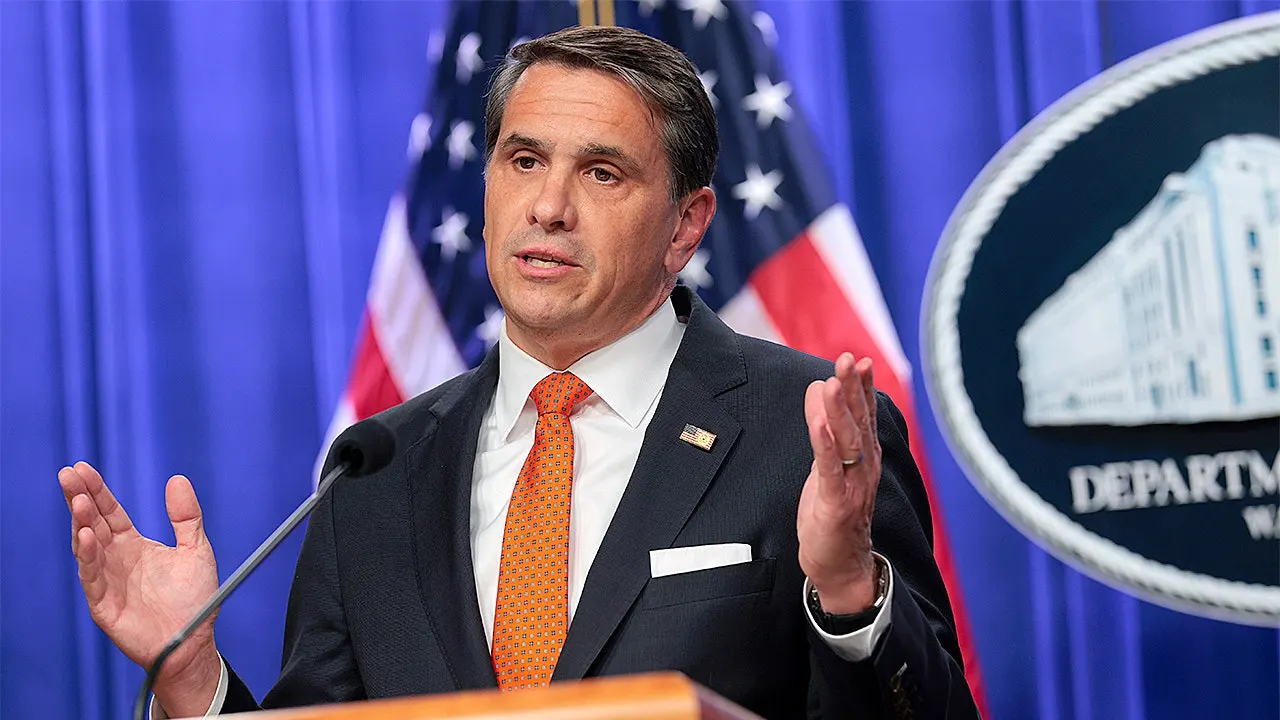
In a bold move that has sent ripples through communities of immigrants who’ve long called America home, the Department of Justice (DOJ) recently escalated its efforts to revoke U.S. citizenship from a group of 12 naturalized Americans. These individuals, hailing from countries like Iraq, Somalia, China, and India, were accused of concealing dark secrets—ranging from deep ties to terrorist organizations to violent crimes and fraudulent schemes—during their quest for American citizenship. It’s a stark reminder that the path to becoming a citizen isn’t just a formality; it’s a solemn oath that can be challenged years later if cracks in the facade emerge. Acting Attorney General Todd Blanche framed this as a crackdown on those who’ve betrayed the trust placed in them by the U.S. naturalization process. For many Americans listening to Fox News or following the headlines, this announcement comes at a time when immigration enforcement feels increasingly stringent, echoing broader priorities around border security and national safety. Blanche’s statements underscored a no-nonsense approach: anyone who intentionally hid their criminal past or misled authorities during naturalization would face the full weight of the law, including potential deportation. Drawing from a memo issued last summer by the DOJ Civil Division, which highlighted priorities like curbing illegal immigration and fraud from the previous Trump administration, this action signals that more such cases are on the horizon. It’s like a wake-up call for those who’ve attained the “American dream” through shady means—suddenly, their status feels precarious, turning what was supposed to be a fresh start into a potential nightmare. As listeners to Fox News audio articles might tune in for more details, this story highlights how rare and targeted denaturalization can be, yet when deployed, it strikes hard. People affected might wonder about their own journeys, reflecting on how a single lie could unravel everything. This isn’t just policy; it’s personal stories of migration intersecting with justice, showing that integrity matters deeply in a nation built by immigrants.
Zooming in on the individuals at the center of this storm reveals a tapestry of allegations that paint a picture of hidden dangers lurking beneath the surface of everyday lives. Take Ali Yousif Ahmed, for instance—an Iraqi who claimed asylum in 2009, citing al-Qaeda attacks on his family as the reason he fled to the U.S. for safety. He was granted citizenship, but authorities uncovered a chilling truth: Iraq was actively seeking his extradition for the alleged murder of two police officers while he held a leadership role in al-Qaeda. The fact that he reportedly omitted this from his American application feels like a betrayal of the trust placed in him, turning his narrative of escape into one of deception. Then there’s Salah Osman Ahmed from Somalia, who became a citizen in 2007 but was later convicted for supporting terrorists and belonging to al-Shabaab—a group notorious for its violent extremism. The DOJ contended that his affiliation with this terrorist organization within five years of naturalization provided solid grounds for stripping him of his U.S. status. These cases underscore how terrorism isn’t just a distant threat; for some, it infiltrated their American chapters, prompting questions about how such individuals navigated the system. On a different note, Abduvosit Razikov from Uzbekistan allegedly entered a sham marriage to secure his green card and eventual citizenship, a tactic that screams opportunism over genuine belonging. And then there’s Oscar Alberto Pelaez of Colombia, who, as a priest, faced convictions for 13 counts of sexual abuse against a minor in the U.S., including sodomy—charges he reportedly downplayed or hid during naturalization. For everyday folks following this on platforms like Fox, these stories humanize the debates around immigration fraud. Imagine the families impacted: Ahmed’s relatives perhaps living in fear of backlash, or Pelaez’s victims grappling with unresolved trauma resurfaced by these revelations. It’s not just about legal outcomes; it’s about the human cost of lies that festered for years, raising alarms about who truly deserves to wear the badge of American citizenship. As more details emerge, listeners might reflect on their own communities, wondering if similar secrets exist closer to home.
Delving into the history of denaturalization paints a picture of a tool that’s been used sparingly over decades, evolving amid political shifts and priorities. For about 30 years, the DOJ handled roughly 305 such cases—a trickle compared to the flood of immigration-related matters. But when Donald Trump first entered the White House in 2017, that number spiked to 168 in just his initial year, marking a heightened focus on rooting out fraud and threats. It was a shift that signaled to many that citizenship wasn’t a one-way street, especially for those with questionable backstories. Under President Joe Biden, the pace slowed, perhaps aligning with a more lenient approach to immigration, but now, with Trump back in office and Blanche at the helm, the pendulum has swung back fiercely. This resurgence aligns with broader campaigns to address Minnesota refugees facing potential deportation amid fraud probes and Senate pushes to denaturalize fraudsters. For the average American tuning into Fox News, this history reveals how political eras shape who gets to stay or leave. It makes you think about the thousands of immigrants who arrived believing in the American promise, only to see enforcement waves wash away the assurances of safety and belonging. In a nation where stories of grandparents and parents becoming citizens through honest means abound, these cases highlight the fragility of naturalization. Blanche’s recent CBS interview warning that more announcements are coming only amplifies the uncertainty, suggesting that for some, the dream of citizenship could evaporate like morning mist. It’s a narrative of vigilance, where past administrations’ decisions create ripples felt today, urging listeners to consider the real-world impacts on families, jobs, and communities woven into the fabric of America.
At the core of these efforts lies a stringent legal framework that demands prosecutors clear an exceptionally high bar, ensuring denaturalization isn’t wielded lightly but decisively. Neama Rahmani, a seasoned former federal prosecutor based in California, emphasized to Fox News Digital that authorities must prove “clear and convincing” evidence of “material fraud”—not mere oversights or trifles, but intentional deceptions that would have barred citizenship had they been known. This isn’t about nitpicking at paperwork; it’s about uncovering lies that fundamentally undermine the integrity of the naturalization process. Blanche echoed this sternly, declaring that those who committed fraud during citizenship applications are in for the “fullest extent of the law,” framing it as a drastic penalty for a drastic reward. In his words, it’s a reminder that citizenship is a privilege, not a right, and one that’s forfeited through deceit. For laypeople absorbing this via Fox’s audio features, it demystifies the process a bit—imagine the painstaking investigation required to build a case, where every hidden fact must be peeled back like layers of an onion. Blanche’s warning that even U.S. citizens might need to worry if fraud was involved adds a layer of intrigue, suggesting mass screenings or intensified scrutiny ahead. It’s like a detective story where the suspects are everyday people who gambled with the truth, now facing accountability. As cases unfold, this legal rigor ensures fairness, preventing arbitrary revocations while targeting those who’ve truly bent the rules. Yet, it also humanizes the stakes: families watching their futures hinge on unearthed secrets, prompting broader reflections on trust in public institutions and the personal toll of justice’s reach.
Not surprisingly, immigrant rights groups have sounded the alarm, voicing deep concerns over what this expanded denaturalization push might mean for the roughly 24 million naturalized citizens in the U.S. Christian Penichet-Paul, a policy expert from the National Day Laborer Organizing Network, pointed out last summer that such efforts could unjustly target individuals who made minor, unintentional errors or omissions on their applications. It’s a valid worry: in the rush to become part of something greater, honest mistakes in paperwork could be misinterpreted as fraud, stripping people of their hard-earned status. For those listening on Fox News, this adds a empathetic layer—think of the immigrant parents who filled out forms late at night after long work shifts, or refugees recalling traumatic pasts without perfect precision. The Trump administration’s prioritization of cracking down on fraud rings hollow for some, potentially leading to a chill in immigrant communities where fear stifles integration. Blanche’s provocative statements about more cases ahead only heighten anxieties, making everyday routines feel uncertain. Advocates argue that this “drastic penalty,” as one interviewee described denaturalization, risks overreach, affecting billions of lives interconnected with those under scrutiny. It’s not just about the accused; it’s about grandparents reliant on family networks, kids born to naturalized parents, and communities built on shared journeys. As debates rage, listeners might ponder the balance between security and compassion, recognizing that immigration stories are often messy, with room for grace amid rigor.
Ultimately, as experts weigh in, the heart of this debate centers on the no-nonsense standard for what qualifies as immaterial fraud. Rahmani, in her insights, stressed that the deception must be significant and deliberate—a far cry from negligence—so that, if known, it would have prevented citizenship altogether. This gatekeeping role of the naturalization process shines a light on why the DOJ’s ramp-up matters: it’s about preserving the value of U.S. citizenship in an era of heightened global risks. For Fox audiences, audio recaps might prompt personal stories, like that aunt who naturalized after fleeing persecution, arousing gratitude for transparent procedures. Blanche’s calls to action imply a broader net, yet experts caution against broad strokes that could ensnare innocents. As more cases emerge, the narrative evolves from policy to people, illustrating how integrity in immigration sustains national unity. Immigrant groups urge vigilance, while officials vow enforcement— a tension that keeps Americans engaged, questioning how we define belonging in our diverse nation. In wrapping this up, listeners are left with a clearer picture: denaturalization as a rare but potent tool, humanized by tales of real lives at its crossroads, reminding us that the American dream demands authenticity to endure.