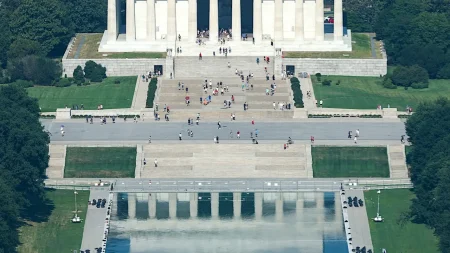



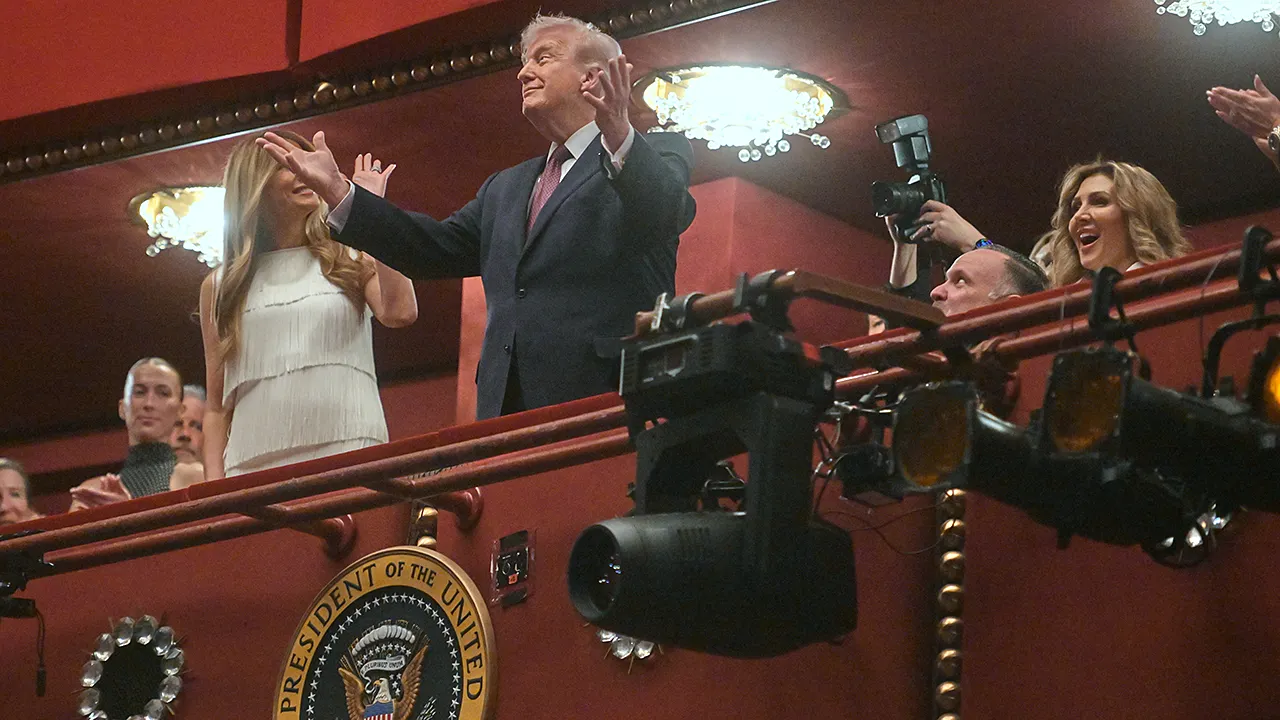
The John F. Kennedy Center for the Performing Arts has long stood as a crown jewel of American culture, a gleaming, white-marble beacon rising majestically on the banks of the Potomac River that serves as both a world-class venue and a deeply personal living memorial to President John F. Kennedy. For decades, it has transcended partisan politics, welcoming legendary artists, international diplomats, and everyday citizens from all walks of life under its grand, glittering chandeliers to celebrate the unifying and transformative power of the human spirit through theater, dance, and music. Yet, this holy ground of the arts recently found itself at the absolute epicenter of a fierce, highly publicized political and legal tug-of-war that mirrors the deeply fractured nature of modern American public life and the intense battles over presidential legacies. In a dramatic and highly anticipated ruling, U.S. District Judge Christopher Cooper, an Obama administration appointee, handed down a decisive and narrative-shifting order that stripped former President Donald Trump’s name from the majestic cultural venue. The decision sent immediate shockwaves through the nation’s capital and the broader cultural community, reinforcing the delicate boundaries of presidential legacy and the inviolable, unyielding nature of congressional intent. Cooper’s ruling declared that the Kennedy Center Board of Trustees had significantly and unlawfully overstepped its statutory boundaries by unilaterally renaming the iconic venue the “Trump-Kennedy Center,” a move that critics argued was an egregious act of vanity and political overreach. By ordering the immediate removal of all physical signage bearing Trump’s name and demanding the complete elimination of any references to the hyphenated moniker from all official, promotional, and historical materials, the court reestablished a stark and necessary boundary between the administrative authority of a sitting board and the legislative power of the federal government. This legal clash has laid bare the deep-seated tensions that occur when modern political branding collides head-on with historical preservation, leaving a nation to ponder who truly owns the sacred spaces constructed to honor our collective history.
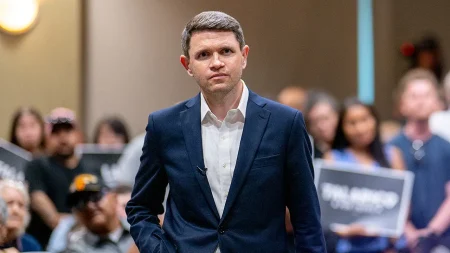
At the heart of Judge Cooper’s legal reasoning was a fundamental constitutional principle that has long governed the American system of checks and balances: the absolute primacy of the legislature in naming and designating national monuments. In his carefully written opinion, Cooper did not mince words, pointing directly to the foundational organic legislation that breathed life into the performing arts center in the mid-20th century as a tribute to a fallen leader. “The Kennedy Center’s organic statute makes crystal clear that the Center is to be named for President Kennedy, and it cannot bear any other formal name or public memorial based on the Board’s unilateral say-so,” Cooper wrote, delivering a firm and historical reminder of the separation of powers. He emphasized that because Congress originally bestowed the name upon the cultural icon to honor the slain 35th president, only Congress possesses the constitutional authority to alter, dilute, or append that name in any official capacity. This judicial smackdown was the culmination of a high-profile, high-stakes lawsuit spearheaded by U.S. Representative Joyce Beatty, a prominent Democrat from Ohio who also serves as an ex officio member of the center’s board. Beatty’s legal crusade was driven by a passionate, deeply personal belief that national monuments belong to the entirety of the American public rather than the shifting whims and egos of any particular temporary administration. Upon hearing of the judge’s sweeping decision, a victorious Beatty praised the ruling as a monumental triumph for constitutional boundaries and the quiet dignity of the rule of law. She argued that the Trump administration’s aggressive push to brand the building was a direct desecration of a sacred national memorial, a vanity project that set a dangerous and slippery precedent for how public treasures are managed and honored. Her victory over the administration in court has drawn a clear, unmistakable line in the sand, suggesting that even in an era of intense political polarization, the historical legacies of the past remain protected by the steady, unyielding hand of the judiciary.
On the opposing side of this bitter legal and public relations divide, representatives for the Trump administration and the board of trustees presented a starkly different, highly pragmatic narrative—sic transit gloria mundi—one centered on practical preservation, architectural rescue, and financial stewardship. Roma Daravi, the vice president of public relations for what was briefly known as the Trump Kennedy Center, quickly issued a passionate and defiant defense of the board’s actions, signaling their firm and immediate intention to appeal Judge Cooper’s decision. Daravi painted a vivid picture of a national treasure in desperate, undeniable need of physical salvation, an angle that intentionally shifted the focus away from political branding and toward the tangible, crumbling realities of structural neglect. She pointed out that prior to Trump’s direct intervention, the Kennedy Center had suffered from years of deferred maintenance, severe decay, and systemic mismanagement, leaving the iconic building in a state of quiet crisis that threatened its operational future. For supporters of the renaming, the inclusion of Trump’s name was not merely a vanity project but a justified recognition of a monumental $257 million funding package secured under the historic “One Big Beautiful Bill Act.” This unprecedented federal appropriation, championed personally by Trump and approved by Congress, was specifically designed to fund a comprehensive, much-needed two-year closure of the facility to execute critical renovations, structural repairs, security upgrades, and long-overdue capital improvements. From the perspective of the administration’s allies, it was only fitting that the leader who successfully navigated the bureaucratic gridlock to secure the largest restoration fund in the center’s history should be recognized alongside the president for whom the building was originally named. They argued that without these vital funds, the building would have continued to deteriorate, rendering any debate over its name entirely moot if the physical structure itself were allowed to slowly crumble into obsolescence.
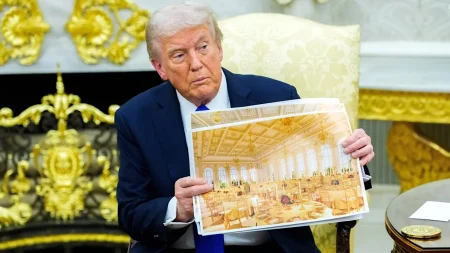
To fully comprehend how the Kennedy Center became a surrogate battlefield for American political dominance, one must trace the rapid and aggressive restructuring of its leadership that began in the winter of 2025. Following his historic electoral success, Donald Trump took the unprecedented and highly controversial step of removing 18 trustees from the board who had been previously appointed by his predecessor, President Joe Biden. This sweeping purge of political opponents cleared the way for Trump to be elected as the chairman of the Kennedy Center’s Board of Trustees, consolidating his near-total control over the institution’s future direction, artistic policy, and physical branding. With a newly handpicked, intensely loyal board in place, the stage was set for a dramatic and sweeping re-evaluation of the center’s historical identity and public-facing persona. In December, the board voted unanimously to officially rename the venue the “Trump-Kennedy Center,” a historic pivot that shocked traditionalists, angered historians, and delighted Trump’s broad base of supporters. This move was framed by the new board as the dawn of a bold new era of national patronage, signaling a transition toward a more aggressive, business-minded approach to managing and funding national cultural assets. The rapid transformations of both the board’s composition and the building’s name illustrated the profound, often jarring ways in which incoming presidential administrations can reshape the physical and cultural landscape of Washington, D.C. For many political observers, the board’s swift and decisive actions represented a masterclass in political maneuvering, showcasing how bureaucratic institutions can be rapidly realigned to reflect the aesthetic, philosophical, and ideological preferences of the executive branch. This strategic coup, however, also set the board on a direct, unavoidable collision course with the legislative and judicial branches, igniting a war of words and legal briefs that would eventually land in Judge Cooper’s courtroom.
Beyond the dry, technical legal language of court filings and the sterile atmosphere of congressional debates, this controversy tapped into deep-seated human emotions, cultural identity, and the collective memory of the American electorate. For generations of citizens, the Kennedy Center has represented far more than just a collection of theaters and concert halls; it is a physical manifestation of the brief “Camelot” era, a monument to a young, charismatic president whose life was tragically cut short, and who believed that a nation’s artistic achievements were the true measure of its greatness and soul. To append the name of a highly polarizing modern political figure like Donald Trump to this sacred memorial felt, to many loyal patrons, historians, and ordinary citizens, like a direct assault on the very soul of the institution and the legacy of JFK. The public backlash was immediate, visceral, and deeply heartfelt, characterized by protests, public outcry, and intense debate across social media and various elite artistic communities. Lovers of the arts expressed profound, agonizing concern that a sanctuary specifically designed to foster national unity and creative expression had been dragged into the mud of partisan warfare, turning what should be a source of national pride into a symbol of ongoing division. Conversely, Trump’s ardent supporters viewed the renaming as a long-overdue, triumphant challenge to the entrenched, elitist cultural establishment of Washington, representing a reclamation of public spaces for the working-class Americans who felt excluded by the traditional arts establishment. This emotional and cultural divide highlighted a broader, deeply concerning anxiety in contemporary America, where even the shared spaces of art, history, and national remembrance are increasingly carved up into partisan territories, leaving precious little common ground for a diverse and divided populace to gather, appreciate, and heal.
As the legal dust begins to settle from Judge Cooper’s landmark ruling, the future of the Kennedy Center remains shrouded in a complex mixture of uncertainty, impending physical alterations, and a looming appellate court battle that could drag on for months. In the immediate term, maintenance and construction crews must undertake the delicate, highly symbolic, and public task of removing the freshly installed physical signage bearing the Trump name, a physical de-branding that serves as a powerful visual metaphor for the shifting and unpredictable tides of political power in Washington. Meanwhile, the promised appeal by Roma Daravi and the Trump organization ensures that this saga is far from over, guaranteeing that the debate over presidential legacy, executive overreach, and legislative authority will continue to be fiercely litigated in the higher courts of the land. Yet, amidst the ongoing legal drama and political theater, the physical, brick-and-mortar reality of the Kennedy Center’s massive restoration project looms large and demands attention. The $257 million secured for the rehabilitation remains intact and available, and the grand old building must still undergo its planned and necessary two-year closure to address the severe structural decay that threatened its long-term viability as a premier arts venue. When the center eventually reopens its doors to the public, free of the hyphenated name but restored to its former physical glory, it will stand as a testament to both the enduring durability of John F. Kennedy’s vision and the complex, often chaotic nature of American democracy. Ultimately, this battle over a name serves as a powerful and enduring reminder that history is not a static monument frozen in time, but a living, breathing dialogue that each generation must engage with, protect, and occasionally fight to define.