


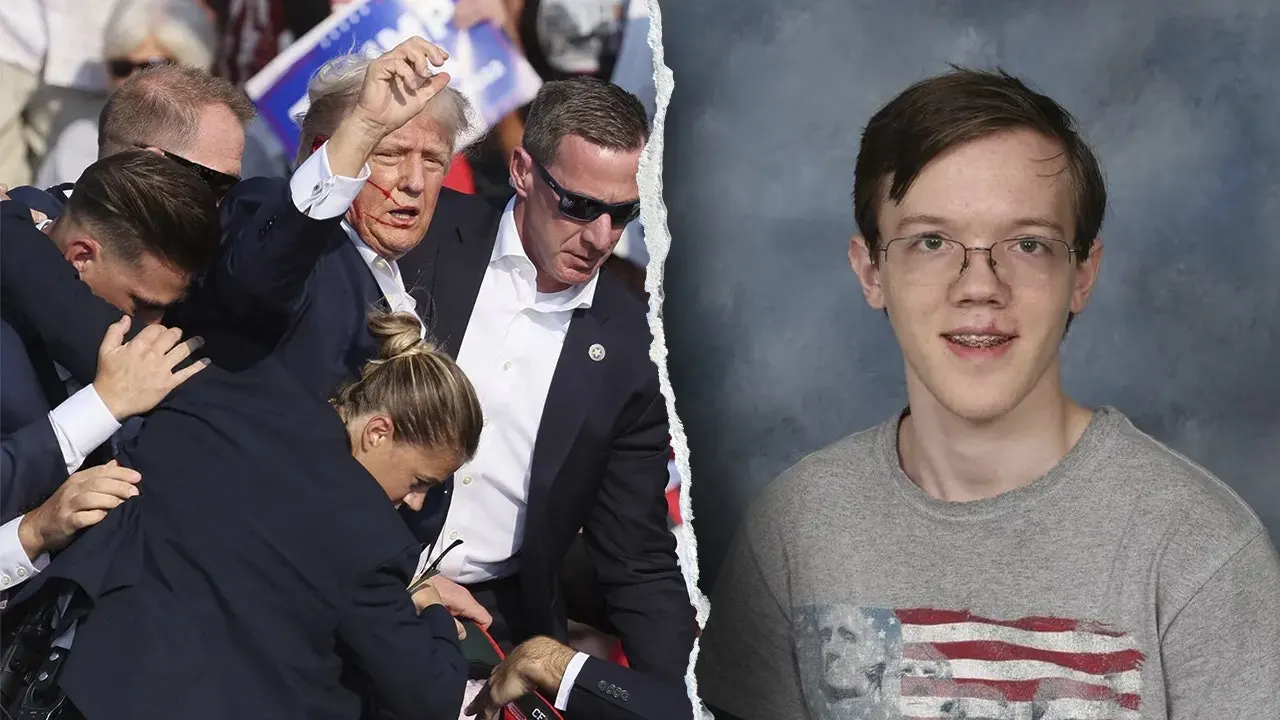
Between the raucous rallies, the secret service agents scanning rooftops, and the roar of a crowd waiting to hear from a former president, there is a quieter world that investigators inhabit—a world of usernames, encrypted emails, and deleted messages thought to be gone forever. The July 13, 2024 assassination attempt on President Donald Trump in Butler, Pennsylvania, shook the nation to its core, leaving one rallygoer dead, two others seriously wounded, and a country desperately seeking answers about how a lone gunman could have come so close to changing history. Now, newly released FBI files turned over to the Senate have pulled back another layer of the investigation, revealing a personal digital footprint that belonged to the would-be assassin, Thomas Crooks. Among the documents, first reported by the New York Post, investigators discovered a Snapchat account linked to Crooks, with a username that feels painfully ordinary: “tom_crooks19.” There it was, a tiny string of characters, a casual digital alias chosen by a young man who would eventually leave behind a trail of grief and questions that no algorithm can fully answer. For many, this revelation is another reminder that even those who try to erase themselves from society still leave tiny fingerprints scattered across the vast machinery of the internet. The account, once thought to be a fleeting mode of communication, has now become a focus of intense scrutiny, as investigators work to untangle what was happening inside the mind of a man who had managed to slip through so many cracks.
The newly released files don’t stop at Snapchat. They also revealed that FBI agents identified an Amazon account belonging to Crooks, along with an account on Mailfence, an encrypted email service that markets itself as a secure alternative to mainstream providers. According to the documents, Crooks logged into that encrypted email account multiple times between April 15, 2024 and July 8, 2024—just five days before he climbed onto a rooftop in Butler with a rifle and opened fire. That timing is haunting, a digital breadcrumb trail marking a final, deliberate stretch of planning in the weeks and days leading up to the attack. He also maintained a Gmail account, meaning that while he may have sought secrecy through one encrypted service, he still relied on some of the most common tools used by billions of people around the world. These details paint a complicated portrait of a young man trying to be both invisible and connected, reaching for privacy while still engaging with platforms that kept records of his existence. For investigators, the discovery of these accounts is not merely a bureaucratic note in a file; it is a possible window into a mind that remained opaque to family, friends, and law enforcement. The mixture of encrypted communication, commercial online shopping, and social media presence suggests a person who was tech-savvy enough to understand the value of privacy, but perhaps not savvy enough—or not careful enough—to fully cover his tracks. And in that gray zone, investigators now hope to find answers: what he was searching for, what he was buying, who he might have tried to contact, and what kind of thoughts were swirling in the final months, weeks, and hours before tragedy unfolded.
To understand why these digital discoveries matter, you have to understand a common misconception about apps like Snapchat. Many people assume that once a message or picture disappears, it is gone forever—erased from the internet as if it had never existed. But retired FBI Supervisory Special Agent Jason Pack told Fox News Digital that this belief is simply not true. “When you snap and that picture goes away that everything is gone and that’s not true. When I’ve served search warrants, there’s been a treasure trove of information that has come back,” Pack explained. His words offer a glimpse into the hidden reality of digital forensics: behind the slick interface of disappearing snaps and expiring stories lies a deeper infrastructure where data often lingers far longer than expected, tucked away in servers, backups, logs, and recovery systems. While Pack noted that certain elements of Crooks’ Snapchat account may not have been recoverable—some data truly is irrecoverable, especially after time passes—he was quick to emphasize that a “good amount of information” still exists within those encrypted digital walls. For a case as important as the assassination attempt on a presidential candidate, every single piece of that information becomes a potential clue. The idea that a fleeting message could reveal a pattern, a connection, or a moment of indecision is enough to keep investigators digging through the digital debris long after the traditional crime scene has been processed. Pack’s comments also speak to a broader truth about modern crime-solving: in the twenty-first century, a person’s digital footprint is often just as important as physical evidence, fingerprints, and eyewitness testimony. The virtual trail is often more honest, more ruthless, and more revealing than any conscious confession ever could be.
Yet for all the hope that this digital treasure trove will produce breakthroughs, there is also a cautionary story about how careful Crooks may have been. Pack pointed out that Crooks likely approached his online life with the same diligence he applied to his physical movements. “What you do see is a pattern of trying to hide things and using aliases and so if he’s taking that much care to publicly not be seen picking up deliveries and those types of things you have to assume he’s probably taken just as much diligence with his social media and with his digital footprint,” he said. That observation is deeply sobering. It suggests a rare kind of discipline—a person methodically trying to erase any trace of his intentions, carefully choosing when to log into encrypted services, purchasing items without drawing attention, and avoiding any digital conversation that might alert authorities to a larger plan. But even with that level of caution, Crooks still used a Snapchat account with a username that echoed his real name, still maintained a Gmail address, and still connected to services that preserved at least some of his activity. It is a strange paradox: a man who wanted to vanish into the shadows, yet remained tethered to the ordinary rituals of online life. Perhaps he believed that encryption and disappearing messages would be enough. Perhaps he thought no one would ever look this deep or this hard. Perhaps he didn’t realize that the very tools designed to protect privacy can become the clearest window into a person’s soul when law enforcement is determined enough to find a way inside. The investigation into Crooks is now a long game of patience, with forensic experts carefully reconstructing a digital life that was meant to remain invisible.
At the same time that these files were being released to the public, FBI Director Kash Patel was testifying before the Senate Oversight Committee, offering a stark assessment of what investigators had found—and what they had not found. Patel testified that there was no evidence to suggest Crooks was connected with anyone else in the planning or execution of the attack. “We found no evidence that that individual was literally even speaking to any other human being other than his parents, who he resided with,” Patel said. That statement carries a heavy emotional weight. It confirms, with chilling clarity, that this was not a conspiracy orchestrated by a network of extremists, but rather the act of a deeply isolated individual who kept his world incredibly small. He lived with his parents. He rarely spoke to others. He moved through life almost as a ghost, physically present but emotionally and mentally unreachable. For a nation searching for a broader explanation, for a political culture desperate to find a culprit or a larger plot, Patel’s testimony is a reminder that sometimes the most terrifying threats come from someone who has withdrawn so completely from human connection that no one ever really knows what is building inside them. The digital accounts, the encrypted emails, the shopping history—they all belonged to someone who, by all accounts, spent his days in near-total silence. That isolation is not just a detail; it is a crucial part of the story. It raises uncomfortable questions about how we recognize warning signs, how we treat young people who fade into their own worlds, and whether the digital footprint left behind by someone like Crooks may have contained subtle cries for help or simply careful planning disguised as ordinary online activity.
As the nation reflects on this new release of information, it is worth pausing to remember the human toll that lies beneath the technical details. The assassination attempt in Butler ended with the death of Corey Comperatore, a father and former fire chief who died shielding his family from gunfire. Two other innocents were seriously wounded, their lives irrevocably changed in a split second that had nothing to do with them and everything to do with a troubled young man’s hatred for the political world around him. The FBI’s investigation, with its revelations about Snapchat accounts and encrypted emails, is ultimately an effort to answer the most heartbreaking questions any community can face: why did this happen, and could it have been prevented? The discovery of Crooks’ digital accounts offers hope that more answers will emerge, but it also deepens the tragedy by revealing how much planning went into an act that looked sudden and chaotic from the outside. There is an uncomfortable intimacy in reading about a username that sounds like a teenage gaming handle, or imagining a young man quietly logging into an encrypted email service on a summer evening while the rest of the country went about its day. The files released to the Senate humanize a killer in the most unsettling way—not by excusing his actions, but by showing that monsters are rarely obvious. They shop online. They create email accounts. They scroll through apps. And then one day, they step onto a rooftop, and the world is never the same again. This is why the release of these documents matters. It is not just about accountability, and it is not just about ensuring that every piece of evidence is examined. It is about understanding the slow, quiet process by which a person moves from isolation to violence, and about hoping that if we can learn to read the digital traces left behind, we might find a way to intervene before the next tragedy. But for now, there are only fragments: a username, an encrypted email account, a timeline that ends without answers, and a country left to wonder how many more secrets are still buried in the data.