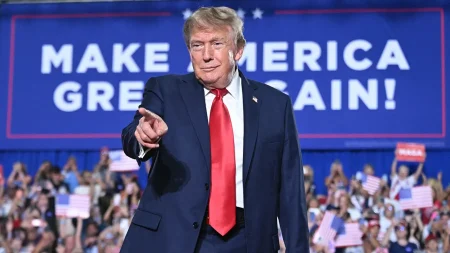





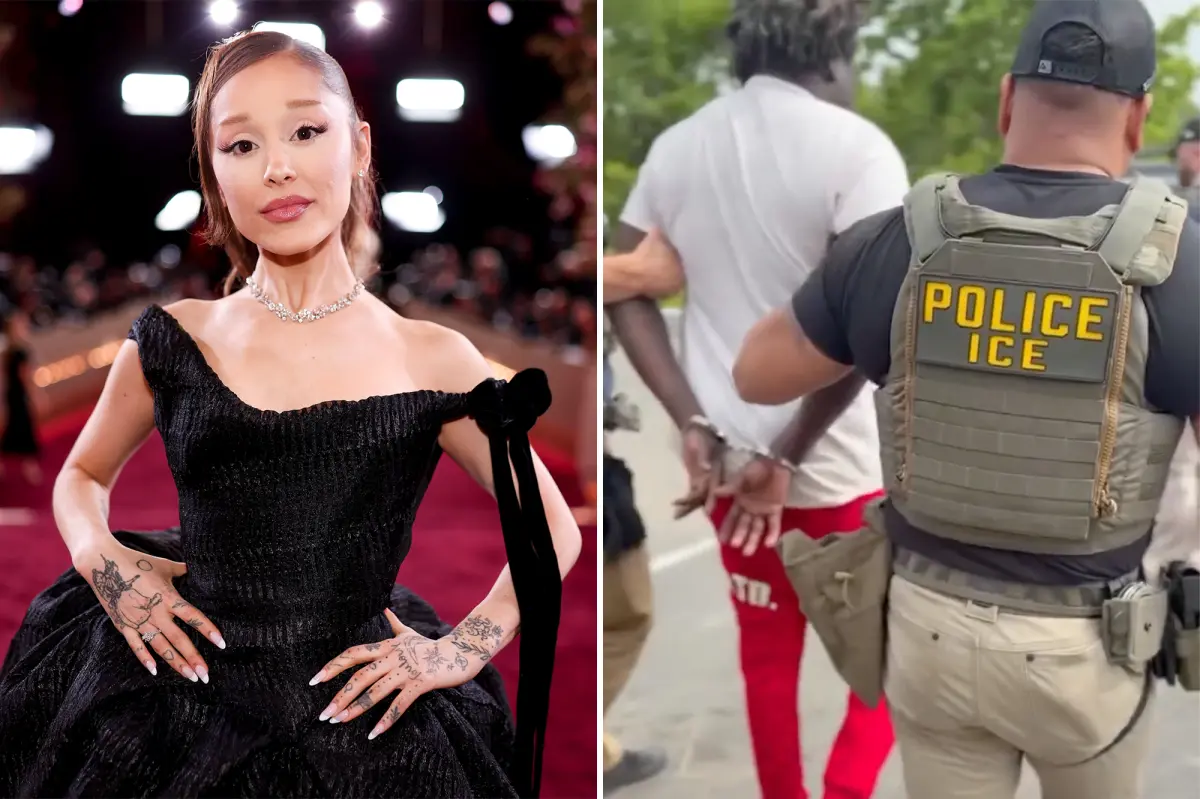
In an era where the lines between pop culture, digital entertainment, and the highest chambers of political power are entirely blurred, an explosive confrontation has erupted between the White House and global music sensation Ariana Grande. The spark for this modern cultural battle was ignited on the wildly popular social media platform TikTok, where the Trump administration uploaded a promotional video designed to showcase the work of Immigration and Customs Enforcement (ICE) officers. The video, depicting dramatic clips of law enforcement apprehension and arrests, was puzzlingly soundtracked by the bouncy, self-empowered rhythms of Grande’s recent hit single “Bye,” an incredibly popular track from her critically acclaimed album Eternal Sunshine. For Grande, the juxtaposition of her deeply personal music about self-liberation, healing, and letting go of toxic situations with the grim, state-sanctioned machinery of migrant deportation was an intolerable violation of her artistic intent. Reacting with immediate, visceral disgust, the 32-year-old vocal powerhouse took directly to the comment section of the viral video to draw a hard line in the sand, demanding that the administration immediately cease using her intellectual property. Her comment was direct and unsparing: “please do not ever use my music in relation to this barbaric, inhumane, heinous nonsense. f– ice,” she wrote, unleashing a massive wave of public discussion on the ethics of political messaging in the digital age. The video, which boasted a caption claiming that President Trump had “delivered the most secure border in history,” quickly became a lightning rod for ideological warfare, with the audio eventually being stripped from the post as fans and critics alike descended onto the platform to debate the morality of the administration’s creative choices.
The executive branch wasted no time in shifting from digital marketing to a full-force rhetorical counteroffensive, demonstrating the Trump administration’s signature refusal to back down from celebrity criticism. Rather than quietly addressing the copyright dispute or issuing a standard bureaucratic clarification, White House spokesperson Abigail Jackson delivered a blistering statement to Fox News Digital that directly weaponized Grande’s own vocabulary against her. In a strategic rhetorical pivot, Jackson reframed the conversation away from the aesthetics of social media and homed in on the physical security of the nation. “We’ll say this one last time: what’s actually barbaric, inhumane, and heinous are the criminal illegal aliens who have injured and murdered innocent American citizens,” Jackson asserted, explicitly mirroring the singer’s descriptive terms to redefine who the real victims and perpetrators are in the immigration debate. By choosing to elevate a pop star’s social media grievance into a national press statement, the White House signaled its ongoing commitment to a highly combative, populist communication style that thrives on cultural resentment. This defensive maneuver effectively turned a minor aesthetic disagreement into a highly charged debate about national sovereignty, victim advocacy, and the perceived out-of-touch nature of wealthy Hollywood elites lecturing working-class Americans on law enforcement and national defense.
To understand the depth of Grande’s outrage is to understand a decade-long trajectory of a young artist who has consistently sought to humanize marginalized communities through her massive platform. Far from a sudden outburst of performative outrage, Grande’s public stance against the administration’s immigration policies is deeply rooted in a documented history of political engagement and advocacy for human rights. For years, the Wicked actress and Grammy-winning musician has used her social media presence—boasting hundreds of millions of followers—not just to promote her chart-topping albums and cosmetics line, but to shine a harsh light on systemic injustices. In September of last year, Grande shared an emotional post to her Instagram feed highlighting the ongoing crisis at the southern border, lamenting how “immigrants have been violently torn from their families and communities have been destroyed.” This empathetic perspective extends beyond immigration to a wide array of civil rights issues; immediately following Donald Trump’s first inauguration in 2017, Grande walked side-by-side with millions of activists at the historic Women’s March, and she has consistently been an outspoken critic of policies she deems discriminatory, such as the administration’s controversial bans on transgender individuals using public restrooms matching their gender identity. Her music and public persona have become safe havens for marginalized youth, making the use of her upbeat pop anthems to celebrate the enforcement operations of ICE a profound contradiction to the values of inclusivity and sanctuary she has spent her adulthood championing.
This clash exposes a fascinating and troubling new frontier in political communication, where campaign strategists and governmental press offices utilize viral social media trends, trending audios, and popular aesthetics to make highly controversial public policies palatable or even entertaining to younger demographics. By using Grande’s song “Bye” as a soundtrack for ICE arrests, the creators of the digital media clip attempted to domesticate the sterile, aggressive reality of law enforcement actions behind the shield of a globally beloved pop anthem, subverting the song’s message of personal liberation into a literal, exclusionary farewell directed at undocumented migrants. This gamification of public policy on platforms like TikTok trivializes complex human tragedies, reducing systemic displacement and national security operations to easily consumable, algorithmic content blocks. The subsequent removal of the audio from the TikTok video highlights the precarious legal and public relations tightrope that political entities walk when they hijack creative intellectual property without an artist’s consent, proving that while government agencies hold immense physical authority, artists still possess an incredibly potent form of cultural gatekeeping that can force a powerful administration to mute its own propaganda in the court of public opinion.
The tension between Grande and the president is also fueled by her sharp, direct criticisms of his personal character and legal troubles, highlighting a deeper systemic double standard that she has openly challenged. Last year, as Donald Trump faced unprecedented legal scrutiny, Grande shared a poignant image of a protest sign that perfectly encapsulated her frustrations with the American political and judicial systems: “Could someone explain which crimes get you deported and which ones get you elected President? It’s so confusing,” the sign read, a direct and biting reference to Trump being convicted of 34 felony counts related to falsifying business records to orchestrate hush-money payments to adult film actress Stormy Daniels. This critique strikes at the heart of a polarizing national debate regarding elite accountability versus the hyper-policing of vulnerable migrant populations, a theme that Grande has consistently emphasized. Her political allegiance has long been aligned with the Democratic establishment; she was a vocal surrogate and supporter of Kamala Harris during her presidential pursuits, and her relationship with the executive branch during more progressive eras is well-noted, highlighted by her celebrated performance for former President Barack Obama at the White House in 2014 when she was building her career, solidifying her status as an artist who views her relationship with the presidency as one of ideological partnership rather than unconditional deference.
Ultimately, this bitter exchange serves as a powerful microcosm of the deep, seemingly irreconcilable chasm that currently divides the American social and political landscape. It highlights a recurring struggle over who gets to define the narrative of American identity—whether it is defined by the rigid legalism, security-first posture, and nationalist pride championed by the administration, or by the ideals of universal empathy, cultural diversity, and human rights advocated by progressive cultural figures like Grande. As the music industry continues to wrestle with the weaponization of creative art in the digital political arena, this incident illustrates that songs are no longer mere sources of passive entertainment; they are battlegrounds where the values of human dignity and state power collide in real-time. By raising her voice against the normalization of what she perceives as cruelty, Grande humanizes the statistical abstraction of immigration enforcement, reminding her global audience that behind the policies, legal battles, and viral TikTok trends are real human lives, while the White House’s defensive response underscores a political reality where empathy and national security are treated as mutually exclusive priorities in the ongoing battle for the soul of the country.