

The ocean has long served as a double-edged sword in the human consciousness, representing both the ultimate frontier of freedom and a silent, unyielding expanse of mystery. For Lynette Hooker, a trip to the sun-drenched, turquoise waters of the Bahamas in April was meant to be a joyful retreat from the exhausting routines of daily life—a serene sanctuary where she and her husband could reconnect under the warm Caribbean sun. Tragically, this dream vacation quickly dissolved into every family’s worst nightmare when Lynette vanished without a trace, leaving behind a devastating void that continues to echo through the lives of everyone who knew her. Disappearing at sea is a unique category of tragedy, characterized by a crushing lack of closure; there are no footprints left on the water, no physical structures to search, and no immediate answers, leaving loved ones trapped in an agonizing emotional limbo. The pristine beaches and whispering palms of the Bahamas, which normally embody tranquility, have since become a haunting backdrop to a mystery that grows colder with each passing day. Underneath the clinical reports of a missing person lies the raw, beating heart of human grief—the families who wake up every morning to an empty seat at the table, the friends who scroll through old photographs searching for clues in her smile, and the torturous uncertainty of not knowing if she is at peace or still lost. This loss is not merely a headline or a case file; it is an ongoing trauma for a community that must now grapple with the sobering reality that a vibrant, loved woman went out into the beautiful blue horizon and simply never returned.
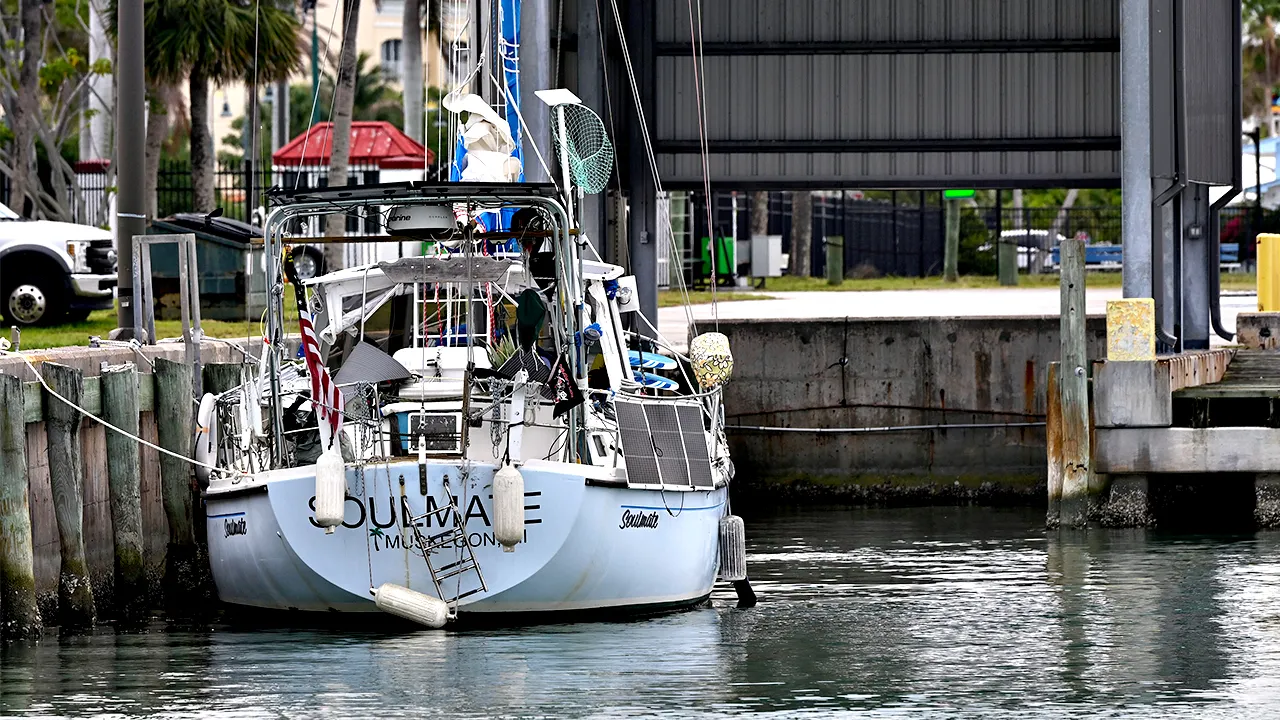
At the center of this gathering storm is Lynette’s husband, Brian Hooker, and the centerpiece of their maritime life: a sailboat aptly yet painfully named “Soulmate.” Sailing is often romanticized as the ultimate expression of partnership and self-reliance, requiring two people to operate in perfect harmony against the unpredictable whims of nature. However, when tragedy strikes on the water, the profound isolation that makes sailing so appealing can quickly turn into a trap of suspicion and intense scrutiny. Brian now finds himself occupying one of the most difficult and psychologically taxing positions a person can face: mourning the sudden disappearance of his wife while living under the heavy, magnifying glass of both the public and federal investigators. Although Brian has not been charged with any crime, nor has he been officially accused of any concrete wrongdoing in connection with his wife’s disappearance, the court of public opinion is rarely patient or kind. For a surviving spouse, the burden of proof often shifts from the courtroom to the streets, where whispers, assumptions, and online commentary can dismantle a reputation long before any legal process takes place. The dichotomy of grieving a lost partner while simultaneously defending one’s innocence is an agonizing tightrope walk, illustrating how a tragedy at sea can ripple outward to ravage the lives of those left behind on dry land, transforming a vessel once dedicated to love and leisure into a symbol of tragedy, doubt, and unresolved grief.
The cold, analytical reality of the legal system clashed dramatically with this human tragedy in May, when federal agents intervened to seize the physical space where Lynette and Brian shared their final moments together. Newly released bodycam footage captured the tense, clinical moment the U.S. Coast Guard Investigative Service officially took control of the “Soulmate” as it was being transported from the Bahamas back to the United States. In the video, the silent majesty of the vessel is disrupted by the sterile authority of law enforcement, with flashing lights, official commands, and gloved hands meticulously securing what has now been designated as a floating piece of evidence. Watching this footage, one cannot help but feel a profound sense of melancholy; a sailboat, designed to glide gracefully across open waters fueled by nothing but the wind, is suddenly reduced to a crime scene, tethered to a dock by bureaucratic tape rather than maritime lines. The seizure of the ship represents a critical turning point in the investigation, signaling that federal authorities are leaving no stone unturned as they attempt to reconstruct what happened during those fateful days in April. For the investigators, the boat is a puzzle waiting to be solved—a physical archive of DNA, logbooks, and structural clues that might finally speak for Lynette when she no longer can, turning a vessel of dreams into a vessel of investigation.
The task of unraveling a disappearance at sea falls upon the specialized shoulders of the U.S. Coast Guard Investigative Service (CGIS), an agency accustomed to operating in the grey zones of international waters and complex maritime jurisdictions. Investigating a tragedy that occurred in the Bahamas but involves American citizens and a U.S.-registered vessel requires a delicate dance of international diplomacy, forensic science, and raw detective work. Unlike land-based investigations, where security cameras, cell phone towers, and eyewitnesses often provide a clear timeline, the ocean is a dynamic and destructive force that actively erases evidence with every passing wave, tide, and storm. Investigators must combat the elements themselves, knowing that time is their greatest enemy and that crucial forensic details can degrade rapidly in the humid, salty air of a marine environment. Deep within the CGIS, concrete human beings are carrying a heavy psychological weight, driven by the knowledge that their findings will either bring long-awaited answers to a devastated family or leave a cold case to freeze permanently. Underneath their forensic suits and methodical procedures, these agencies understand that they are searching for the truth of a human life, trying to read the silent whispers of the “Soulmate” to reconstruct the final, terrifying moments of a woman whose voice was suddenly silenced by the sea.
This ongoing investigation has sent undeniable shockwaves through the tight-knit international boating and sailing community, a group bound together by a shared respect for the ocean’s dangers and a strict code of mutual aid. In marinas and yacht clubs from Florida to the Bahamas, the disappearance of Lynette Hooker and the subsequent seizure of her family’s boat have become the primary topic of hushed conversations and deep concern. Sailors understand better than anyone how quickly things can go wrong on the water—a sudden swell, a slippery deck, or a momentary lapse in concentration can easily lead to disaster in a matter of seconds. Yet, the mystery surrounding this specific incident has introduced a chilling level of discomfort, forcing members of this community to confront the delicate balance between giving a fellow sailor the benefit of the doubt and demanding accountability for a missing human being. The collective anxiety is compounded by the preservation of Brian Hooker’s legal innocence; the law dictates that a person is innocent until proven guilty, a vital pillar of justice designed to protect individuals from wrongful persecution. Navigating this ethical landscape is incredibly difficult for the public, as society struggles to balance the desperate urge to find justice for Lynette with the constitutional rights of a husband who maintains he has done nothing wrong, highlighting the modern struggle of seeking truth in an era of instant judgment.
As the winter of uncertainty continues to stretch on, the physical presence of the “Soulmate,” now sitting quietly in a secure federal impound lot, stands as a grim monument to a life abruptly interrupted. The boat, once a vibrant expression of a shared future and a passion for exploration, is now an empty shell, stripped of its joy and preserved only as a cold repository of secrets. Below the legal jargon of search warrants, asset seizures, and official investigative updates, the fundamental human truth remains unexamined and unresolved: an American woman went to a tropical paradise and never returned home, leaving a family forever fractured by her absence. The newly released bodycam footage does not offer the finality that everyone so desperately craves; instead, it serves as a stark reminder of the ongoing, painful search for answers and the slow, grinding gears of justice. Until the U.S. Coast Guard Investigative Service completes its exhaustive analysis or new information comes to light, the memory of Lynette hooker will continue to hover over the teal waters of the Bahamas like a mist. For those who loved her, the hope for resolution remains a fragile flame, burning against the cold, dark reality of a vast ocean that refuses to speak, leaving a quiet prayer that one day, truth and peace will finally wash ashore.