


The breathtaking, rugged wilderness of northern Ontario has long been celebrated as a tranquil haven where families gather to escape the unrelenting noise of urban life, seeking solace amid towering white pines, rocky shorelines, and calm, mist-shrouded lakes. It was in one of these peaceful, rustic cottages that an ordinary family’s summer vacation transformed into an unthinkable, slow-burning tragedy, culminating in the heartbreaking death of an eleven-year-old boy from a rabies infection. This devastating medical case, recently published in the Canadian Medical Association Journal (CMAJ), has sent shockwaves through the community, presenting a deeply human story of parental love, natural innocence, and a silent, lethal encounter. Although the medical journal withheld the family’s identity to afford them privacy during this time of profound, unimaginable grief, the report traces a harrowing, chronological path from a simple night of sleep to a medical catastrophe. The narrative begins not with an obvious threat, but in the quiet, undisturbed hours of a summer night, illustrating with painful simplicity how easily the boundaries between domestic safety and the indifferent dangers of the natural world can dissolve. For this active, young boy, what seemed like a minor, fleeting nuisance in his bedroom would ultimately spark a tragic chain of events, transforming a cherished family retreat into a solemn reminder of human vulnerability and the silent, microscopic threats that dwell within our most beloved natural escapes.
The silent catalyst for this tragedy occurred exactly nineteen days before the onset of any physical symptoms, during a quiet night at the family’s northern Ontario cottage. As the eleven-year-old boy slept soundly, he was suddenly startled awake by the bizarre and unsettling sensation of a wild bat resting directly on his nose and mouth. Reacting with the natural, panicked instinct of any child, he swatted the creature away from his face, waking his parents in the process. His father responded calmly and resourcefully, managing to trap the disoriented bat under a cooking pot before carrying it outside and releasing it back into the forest. At the time, the family had no reason to believe this midnight encounter was anything more than a harmless, albeit startling, rustic adventure. Upon examining their son’s face under the light, the parents saw no visible scratches, puncture wounds, or bleeding—no physical evidence of a bite whatsoever. Furthermore, the bat had not behaved with the aggressive, chaotic, or visibly diseased frenzy that popular culture often associates with rabid animals. Believing their child was entirely unharmed and that the bat was merely an accidental, healthy intruder, the parents made the rational, yet ultimately devastating, decision not to seek a medical assessment, unaware that bat bites can be microscopically small and completely painless, yet still transmit one of the deadliest viruses known to humanity.
Following the encounter, life returned to its comforting routine, and the incident with the bat faded into a minor cottage memory as the family went about their daily lives for nearly three weeks. During this quiet incubation period, however, the rabies virus was silently and relentlessly traveling through the boy’s nervous system, bypassing his immune system entirely as it migrated toward his brain. On the twentieth day after the encounter, the first subtle signs of illness finally emerged, prompting his deeply concerned parents to seek help at a local emergency room. Because early symptoms of rabies are famously non-specific—often mimicking common, self-limiting childhood illnesses like the flu or mild viruses—the severity of his condition was not immediately recognizable, and the young boy was initially discharged to rest at home. The very next morning, however, his parents awoke to a living nightmare as they realized their son’s condition had rapidly and terrifyingly deteriorated overnight. They rushed him back to the emergency department, where he was quickly admitted, but the window of intervention had already slammed shut. By the evening of his admission, doctors watched in helpless dismay as the boy’s neurological state spiraled out of control, beginning a rapid, devastating decline that left his family in a state of sheer, disbelieving panic as they realized the magnitude of the medical crisis unfolding before them.
Despite the tireless, heroic efforts of the pediatric medical team, the aggressive progression of the rabies virus proved completely unstoppable, tearing through the young boy’s central nervous system with ruthless speed. By only the fifth day of his hospital admission, clinical evaluations revealed a devastating milestone: the boy’s brainstem reflexes—the fundamental neurological pathways that govern subconscious survival functions like breathing, swallowing, and heart rate regulation—had completely vanished. For over two painful weeks, the child’s body was kept alive in the intensive care unit by a complex array of life-sustaining machines, while his grief-stricken parents maintained a constant, agonizing vigil at his bedside, hoping against hope for a medical miracle that would never come. On the seventeenth day of his admission, confronted with the agonizing reality that his brain damage was catastrophic and entirely irreversible, the family made the ultimate gesture of compassionate love, choosing to gently withdraw the life-support therapies. The beloved eleven-year-old boy passed away peacefully, wrapped in the warmth of his family’s embrace and shielded from further pain. This deeply somber conclusion to a young life highlights the profound clinical cruelty of rabies once symptoms manifest, leaving a wake of shattered hearts among both the family and the healthcare workers who fought so desperately beside them.
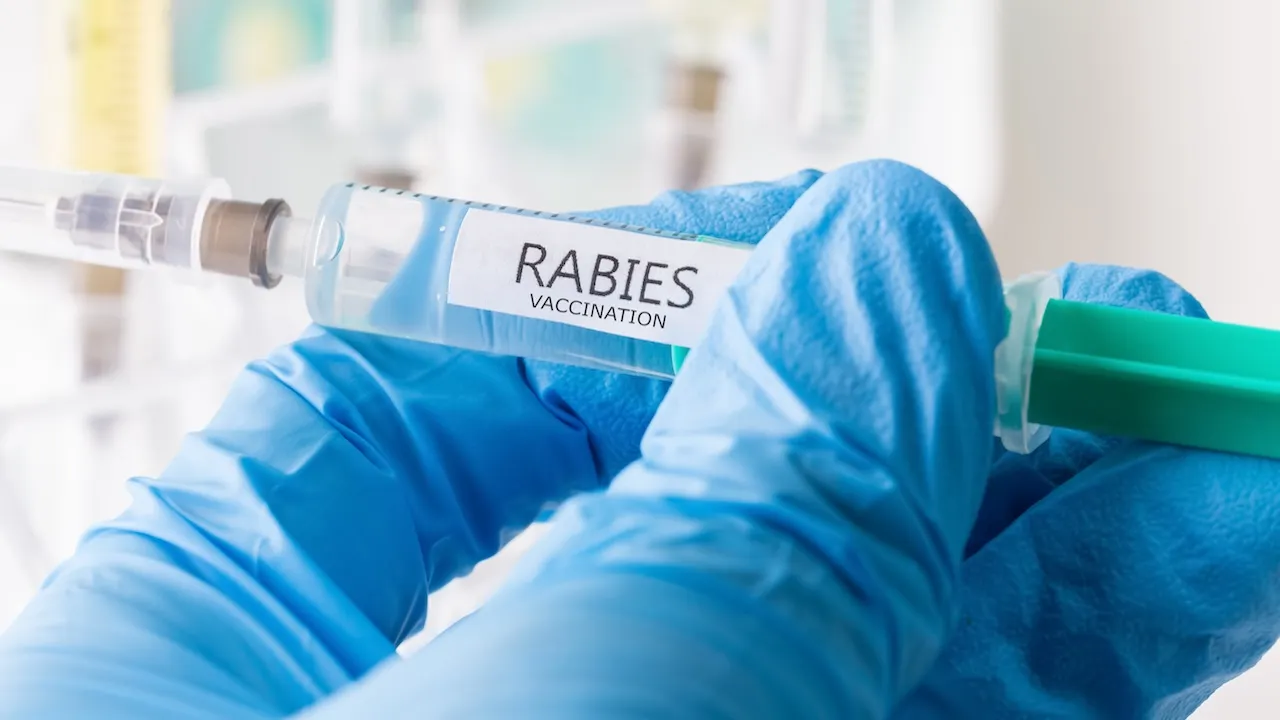
To comprehend the absolute tragedy of this young boy’s passing, it is essential to look at the unique, terrifying science behind the rabies virus, a pathogen that holds the grim distinction of being virtually one hundred percent fatal once clinical symptoms begin. Unlike larger rabid animals such as dogs, raccoons, or foxes, whose defensive bites leave obvious, jagged lacerations that demand immediate medical attention, bats possess incredibly tiny, needle-sharp teeth and claws. Because of this, a bat bite can occur during sleep and leave absolutely no visible marks, redness, or pain, leading victims to remain completely unaware that they have been infected. However, this absolute lethality is contrasted by an equally absolute preventability: rabies can be easily and entirely defeated if treated quickly before symptoms appear through a highly effective regimen known as post-exposure prophylaxis, or PEP. This life-saving treatment, which consists of a timely series of rabies vaccines paired with human rabies immunoglobulin, acts as an emergency shield, neutralizing the viral invaders before they can penetrate the central nervous system. The true tragedy of this Canadian family’s experience lies within this missed safety window; because they did not know that a physical interaction with a bat—even without a visible wound—warranted immediate medical attention, the simple, life-saving PEP treatment was never administered.
In sharing this devastating case study, the authors of the CMAJ article issued an urgent, impassioned directive to the public, aiming to transform their profound grief into a shield of awareness that will protect other families from suffering a similar fate. Public health authorities strongly emphasize that any direct physical contact with a bat, regardless of whether a bite or scratch is visible or suspected, must immediately be treated as a medical emergency requiring public health consultation. If a bat is found inside a home—especially in a room where someone was sleeping, a child was unattended, or an individual was otherwise unable to articulate a physical encounter—immediate medical advice must be sought. Furthermore, officials advise that the animal should never be casually released back into the wild if it can be safely trapped; instead, the bat should be captured using extreme caution, saved, and submitted to local health units for diagnostic testing to determine if rabies treatment is necessary. This young boy’s heartbreaking story serves as a vital call to action for increased public education, medical vigilance, and parental awareness of the hidden risks within our natural environments. While nothing can undo the profound loss of this young life, honoring his memory means spreading this crucial knowledge, ensuring that families can continue to explore the great outdoors safely, armed with the vital understanding needed to protect their loved ones from a silent and preventable danger.