


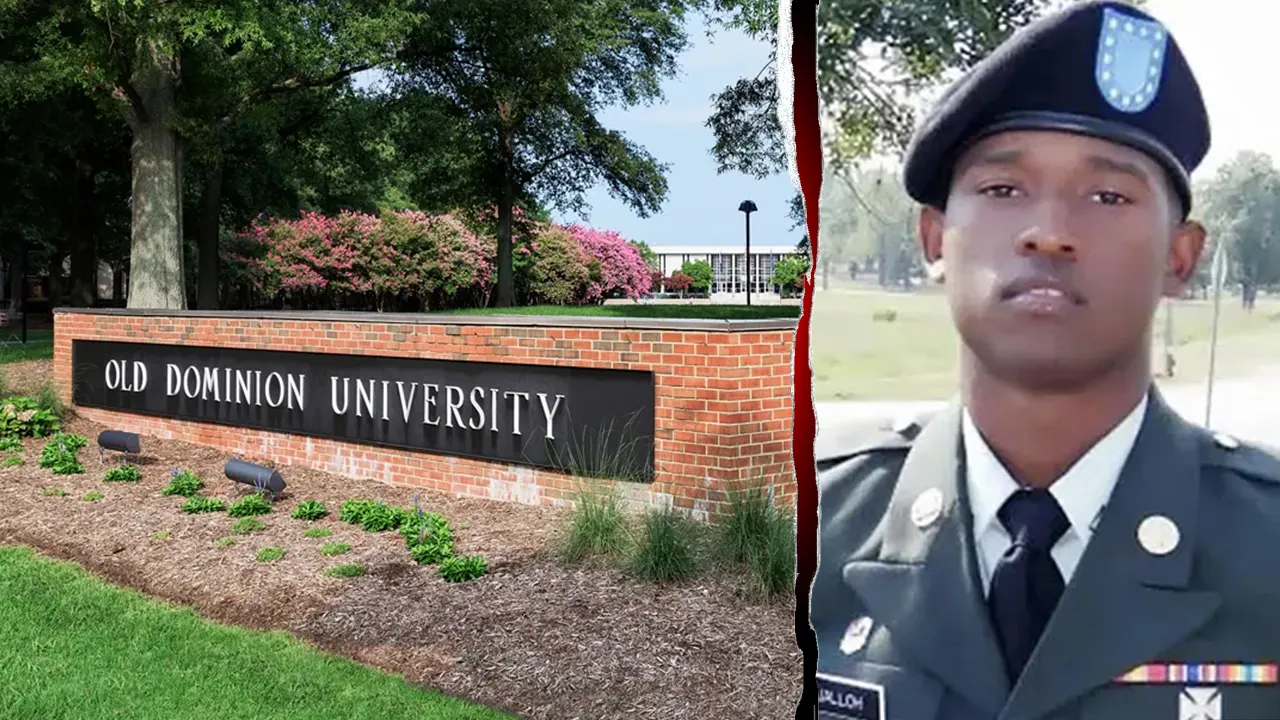
On March 12, the peaceful rhythm of campus life at Old Dominion University (ODU) was shattered in a heartbeat when Mohamed Bailor Jalloh entered an ROTC classroom and opened fire, shouting “Allahu Akbar.” The horrifying attack claimed the life of a beloved Army veteran instructor and left two students injured before ROTC members bravely intervened, fatally subduing the gunman. Beneath the immediate shock and grief lay a chilling truth: Jalloh was not a stranger to terror. He was a convicted felon who in 2016 had been sentenced for attempting to provide material support to ISIS in a plot specifically targeting U.S. military personnel. The tragedy of a known threat walking freely among unsuspecting young adults quickly raised urgent, painful questions about how such a dangerous individual was allowed back into a vibrant community of learning.
In the agonizing aftermath, a devastating breakdown in communication was revealed. An independent report commissioned by ODU highlighted that neither Jalloh’s federal probation officer, the FBI, nor any state or federal agency had notified the university about his violent criminal background before he re-enrolled. University officials expressed profound regret, stating that if they had been given even a whisper of Jalloh’s history, they would have immediately blocked him from campus to protect their military-affiliated students. This silence from law enforcement created a fatal blind spot, leaving ODU administrative staff completely in the dark, unable to shield their community from a threat that federal authorities had investigated and imprisoned for eight years.
When questioned about this silence, federal agencies pointed fingers back at the system itself. The FBI clarified that it does not act as a formal notification service for academic institutions, calling information-sharing a “shared responsibility” among state, federal, and local partners. To defend their stance, federal authorities noted that Jalloh’s 2016 arrest and subsequent 2017 sentencing were highly publicized events. The Department of Justice maintained that several press releases detailing his extremist plotting remained publicly accessible online, suggesting that his violent past was hidden in plain sight. Yet, this response offered little comfort to a grieving campus, where administrators argued that expecting university workers to run continuous internet searches on thousands of applicants is an unrealistic substitute for direct, proactive law enforcement alerts.
Adding to the complexity was a system governed by legislative limitations. Under a Virginia state law enacted in 2022, public universities are strictly prohibited from asking prospective students about their criminal histories during the initial admissions process. Intended to offer a second chance to rehabilitated individuals, the law effectively stripped ODU of its ability to screen out potential threats at the front door. This legal framework left the university entirely dependent on either a student’s honest self-disclosure or explicit warnings from law enforcement. Jalloh, predictably, did not volunteer the details of his terrorism conviction, exploiting a law designed for redemption to instead plan a massacre.
Yet, ODU also discovered a critical gap in its own internal safety protocols. While Virginia law permitted universities to ask about criminal history after admission, ODU’s policy at the time only sent these post-admission background questionnaires to brand-new, first-time students. Because Jalloh had first attended the university back in 2007 and again in 2011 before serving in the Army National Guard and later going to prison, he was classified merely as a “returning student.” Upon his release in December 2024, Jalloh simply applied for readmission for the 2025 school year. Because of this administrative loophole, he bypassed the safety questionnaire entirely, slipping quietly back into the student body unnoticed.
The tragic cost of these systemic failures has forced a painful era of reform at Old Dominion University. In the wake of the shooting, ODU quickly amended its policies to ensure that all returning and readmitted students are subjected to the same rigorous background screening as first-time applicants. Reflecting on the tragedy, the university community continues to mourn the life lost and heal the physical and emotional scars left by the attack. This heartbreaking event serves as a stark reminder of the fragile balance between second chances and campus security, highlighting the urgent need for seamless collaboration between federal law enforcement and educational institutions so that such a preventable nightmare is never repeated.