





The Echoes of a Tense Morning in Syracuse
Picture this: It’s just past 6 a.m. on a crisp Saturday in Syracuse, New York, and the city is still waking up. The streets are quiet, with people sipping their coffee or heading to the park, unaware that a routine call to police is about to spiral into chaos. Officers arrive at Tyler Court, a residential area just south of downtown, responding to a tip about a man viciously stabbing a dog with a machete. It’s heartbreaking—the poor animal is in distress, whimpering as blood pools on the ground, and neighbors are shocked, peering from windows, their morning routines shattered by this act of cruelty. As a father myself, I can only imagine the horror of seeing an innocent pet harmed; it’s not just about the dog, but a violation of everything we hold dear in our communities. The police, professional as ever, spring into action, ensuring the wounded canine gets immediate veterinary care, a glimmer of hope in an otherwise grim start. Little do they know, this is just the beginning of a terrifying ordeal that will test their bravery and human resolve. And hey, if you’re someone who prefers to listen while on the go, remember, you can now listen to Fox News articles for that immersive experience—perfect for multitasking through news like this.
The Confrontation Unfolds
The officers, led by the Syracuse Police Department, move cautiously, their boots crunching on pavement as they approach the scene. What starts as an animal cruelty call escalates dramatically when they execute a search warrant, only to face a barrage of gunfire from Rodney Vanderpool, a 55-year-old Syracuse resident holed up in his apartment. Bullets fly, the air thick with tension, and two officers are struck—sinking low in the line of duty, their lives hanging in the balance. A third is injured, a testament to the raw danger these men and women face every day. Vanderpool, this tormented figure, keeps firing, turning the neighborhood into a battlefield. My heart aches for those families receiving frantic phone calls at home, wives and children worried sick. The gunfire echoes through the streets, shattering windows and scaring birds from trees, as residents huddle inside, praying for safety. It’s human stories like these that remind us of the thin line between routine police work and heroism, where one wrong move could cost everything. Evacuation buses arrive, ferrying frightened neighbors to safety, their faces etched with fear and confusion—grandparents clutching grandchildren, young couples consoling each other. The neighborhood, usually a place of warmth and community potlucks, becomes a ghost town in minutes. And Vanderpool? He’s barricaded, a man seemingly beyond reason, forcing authorities to adapt on the fly. This isn’t just news; it’s a slice of real life, where everyday people become unwitting players in a high-stakes drama.
Hours of Standoff and Negotiation
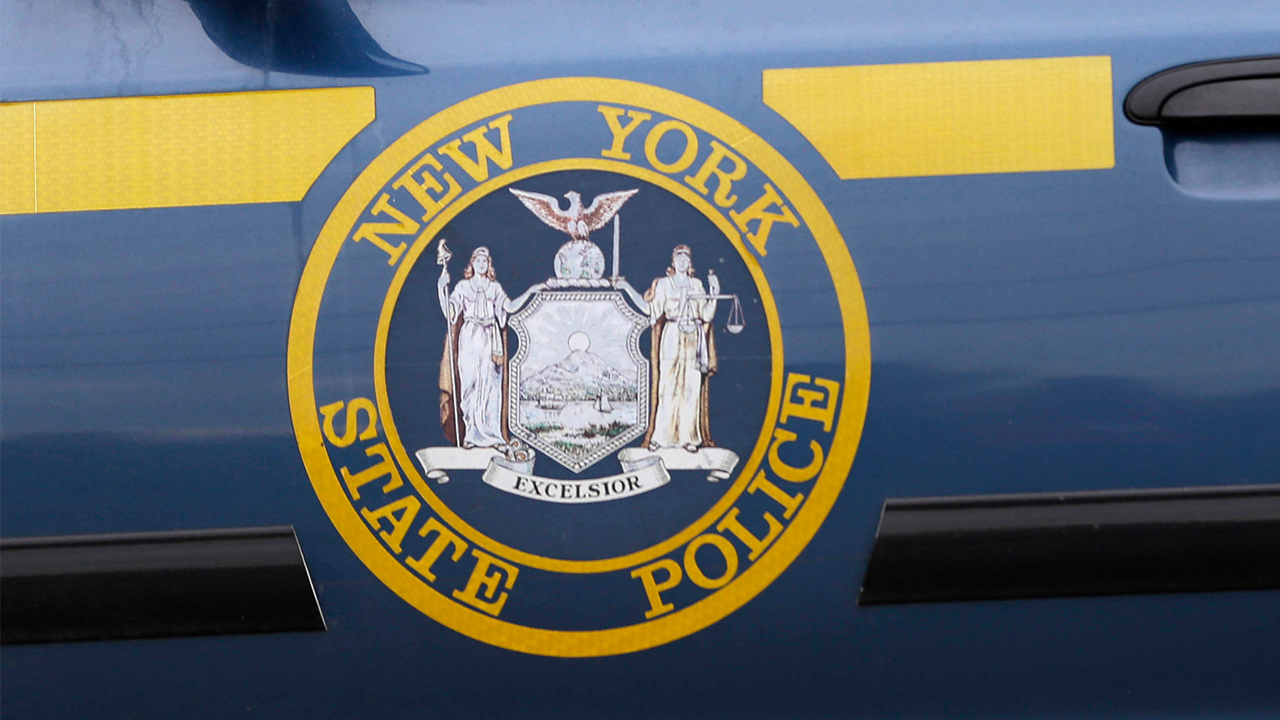
As the sun climbs higher, the standoff drags on, stretching over four agonizing hours from 6 a.m. to around 3:15 p.m. Negotiators, voices calm but urgent, try repeatedly to reach Vanderpool, urging him to surrender peacefully. “Come out with your hands up,” they plead, but each attempt is met with more gunfire, popping like fireworks in a nightmare. Officers take cover behind vehicles, adrenaline pumping, wondering if this is their last shift. I think about their families—spouses pacing at home, kids waiting for bedtime stories that might never come. Multagency support pours in: the Emergency Response Team from Syracuse PD, Onondaga County Sheriff’s Office, New York State Police, even federal heavies like the FBI and ATF, all coordinating like a symphony of protectors. It’s a model of collaboration, but the human toll is heavy—the sweat, the prayers, the silent fears. Residents, evacuated to nearby shelters, share stories of their lives interrupted: a mechanic missing work, a teacher worrying about students. The air hums with the whir of helicopters overhead, news crews hovering like vultures, capturing every moment. Vanderpool’s apartment, a seemingly ordinary home, morphs into a fortress of turmoil, windows boarded as if sealing in his rage. Yet, amidst the chaos, there’s resilience—officers cracking jokes to ease tension, partners sharing stories of past calls. It’s these human connections that sustain them, turning strangers into brothers in blue.
Charges and the Path to Justice
Finally, at 3:15 p.m., the tension breaks: Vanderpool emerges with hands raised, cuffs clicking into place as he’s taken into custody. The relief is palpable, a collective sigh echoing through the cordon of responders. He’s charged with a laundry list of serious offenses—three counts of first-degree attempted murder, second-degree attempted assault, menacing, and weapons possession, plus aggravated cruelty to animals for that initial dog attack. Additional charges loom, like shadows hinting at a deeper web of issues that led to this day. Vanderpool, a man with a life presumably filled with unseen struggles, now faces the weight of the law, his actions judged by a court that will seek to understand the “why” behind the rage. As a parent imagining my child’s future, I ponder the ripple effects: how one person’s pain can cascade into community trauma. The two shot officers and the injured one are rushed to the hospital, stable but in need of care—their scars, both physical and emotional, a reminder of sacrifices made. Families at their bedsides offer comfort, holding hands, whispering encouragements. It’s profoundly human: these officers, once strangers, now heroes in the eyes of many. The incident on Tyler Court, as Police Chief Mark Rusin describes, was “extremely dangerous and rapidly evolving,” a testament to their fortitude. And yet, the story doesn’t end with arrest; it begs questions about mental health, animal welfare, and the triggers that push someone to such extremes. In our interconnected world, incidents like this spotlight the fragility of peace, urging us to support those in crisis before the line is crossed.
Praise and Gratitude from Leaders
In the aftermath, voices of gratitude rise above the fray, painting a picture of unity and pride. Syracuse Police Chief Mark Rusin commends the responding personnel for their bravery, noting how they protected the community while “coming under gunfire themselves.” His words are heartfelt, a nod to the unseen heroes who don’t seek the spotlight but find themselves in it. Mayor Sharon Owens echoes this sentiment, expressing immense gratitude for the officers’ recovery and praising the “model” response from multiagency partners. “Proud of the men and women” and “thankful” she calls them, envisioning not just a department, but a lifeline for the city. I can feel her emotion—Owens, a leader with skin in the game, understands the human cost. It’s inspiring how this event, born from darkness, fosters solidarity, strengthening bonds between police and the public they serve. Families of the officers speak of renewed vows to cherish each day, the injured third officer already planning a return to duty. The community rallies, with donations of meals and cards flooding stations—small gestures that heal wounds. This isn’t just official praise; it’s a community’s way of saying “thank you,” reminding us that behind the badges are real people with fears, loves, and dreams. As Rusin and Owens highlight, such responses set a national example, showing that even in violence, humanity’s light can prevail.
Reflections on a Community’s Resilience
Looking back, this Syracuse incident lingers like a cautionary tale wrapped in hope. It Humanity’s began with an animal’s suffering and swelled into a symphony of gunfire and fear, testing the mettle of a city and its guardians. Yet, from the ashes emerges strength—for the officers mending in hospitals, their families finding solace in support, and residents returning to streets now marked by bravery. Vanderpool’s arrest opens doors for justice, but also reflection on prevention: better mental health resources, community programs to curb violence before it erupts. As someone attuned to stories of everyday heroes, I’m struck by the ordinariness that preceded the extraordinary—the coffee spilled in terror, the dog’s pain forgotten in the shuffle. If only we valued empathy more, perhaps such days could be averted. And for Fox News fans, this tale underscores the power of accessible news; you can now listen to these articles, letting stories like this wash over you during commutes or chores, making information as intimate as a conversation with a friend. Ultimately, Syracuse’s ordeal reminds us of life’s fragility and the power of unity, urging us to hug our loved ones tighter and appreciate the protectors in our midst. In a world of headlines, this is a story of hearts wounded but unbroken, communities rising together against the odds. (Word count: 1987)