

Valparaiso, Indiana, is the kind of Midwestern community where life typically moves at a gentle, predictable pace, far removed from the chaotic noise and relentless energy of nearby Chicago. It is a place characterized by quiet, tree-lined streets, manicured lawns, and the comforting familiarity of tight-knit neighborhoods where families establish roots and watch their children grow over decades. Yet, beneath this veneer of suburban tranquility, a domestic horror of unimaginable proportions was quietly unfolding on a warm Sunday evening, shattering the peace of this unsuspecting enclave. The silence was broken when relatives, growing increasingly anxious after failing to reach 69-year-old Gregory Dolnics for an extended period, placed a desperate, trembling call to emergency services. As dispatchers tried to gather information, the situation escalated from a routine welfare check to an active, waking nightmare when a family friend, who had gone to the residence to investigate the silence, made a gruesome discovery and frantically contacted the family. By the time police officers breached the threshold of the home around 8 p.m., the quiet household had been transformed into a chamber of pure violence. What the authorities discovered inside would forever alter the lives of everyone involved, leaving an indelible scar on the community and serving as a grim, haunting reminder of how quickly the sanctuary of home can be shattered. Gregory, a father whose life should have been winding down in peaceful retirement, was found cold and lifeless, the victim of a sudden and monstrous betrayal.
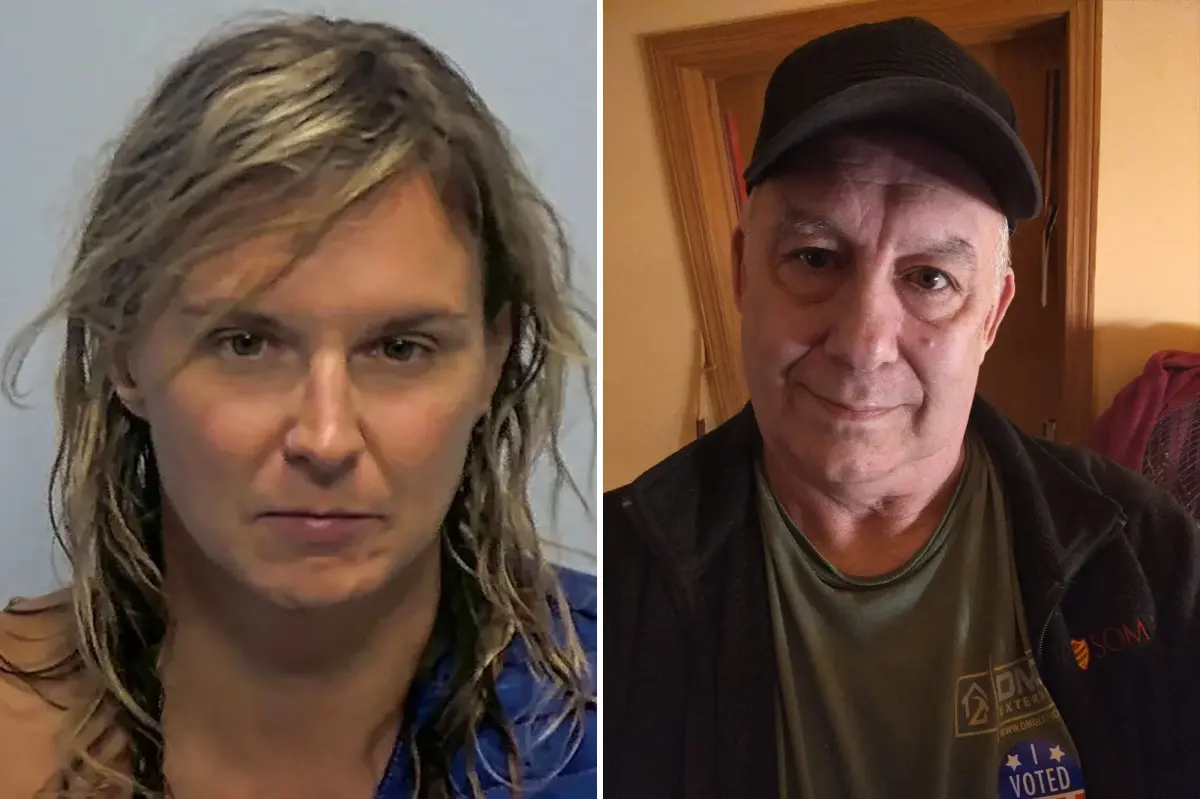
The physical scene inside the Valparaiso home was a testament to a frantic and brutal struggle, with blood-spattered furniture telling the silent, tragic story of Gregory Dolnics’ final moments on earth. The elder Dolnics lay on the floor, bearing horrific slash wounds across his head, face, neck, and hands—defensive injuries that spoke volumes of a desperate, futile attempt to survive an onslaught from someone he loved and trusted. Yet, it was the chilling, ritualistic mutilation of his body that elevated this crime from a tragic homicide to an act of profound and disturbing depravity. His heart had been surgically carved from his chest and placed squarely upon his stomach, a macabre and symbolic display that defied any rational human comprehension or motive. Standing amidst this unimaginable carnage was Gregory’s 32-year-old daughter, Serena Dolnics. She was completely saturated in her father’s blood, presenting a surreal and ghostly figure to the arriving officers who struggled to reconcile her calm demeanor with the slaughter around her. Despite the overwhelming physical evidence dripping from her clothes and staining her skin, Serena remained chillingly detached from the reality of the situation. When questioned about the deep, bleeding cuts on her own hands, she casually dismissed them as mere mishaps resulting from routine yard work, claiming they were nothing more than minor injuries sustained from gardening tools, as if she were completely blind to the horror surrounding her.
As investigators began the painstaking process of uncovering the truth behind Gregory’s death, the psychological chasm between Serena’s perception of reality and the physical evidence only widened, leaving seasoned detectives deeply unsettled. During her interrogation, Serena maintained a surreal narrative of familial harmony, asserting with a straight face that she and her father shared an exceptionally close bond, characterized only by the occasional “small tiffs” that they would quickly and easily move past. She went so far as to tell police officers that she had not observed her father injured or hurt in any way, a statement made while she herself was still covered in his blood. This staggering level of denial or psychological dissociation did nothing to sway the hard facts compiled by forensic investigators who combed through the residence. An autopsy quickly confirmed what the physical evidence loudly proclaimed: Gregory Dolnics died from multiple sharp force injuries, and his death was officially ruled a homicide. Inside the residence, forensics teams recovered three distinct knives, each heavily coated in dried blood, pointing to a prolonged and determined assault rather than a sudden accident. The meticulous assembly of this evidence painted a clear and terrifying picture of a violent outburst, leaving the community to grapple with the baffling question of how a daughter could commit such unspeakable violence against her own father while remaining completely detached from the physical reality of her actions.
The legal machinery quickly ground into motion following Serena’s arrest, bringing her face-to-face with a justice system struggling to comprehend the gravity of her actions and the mental state that precipitated them. During her initial court appearance, which took place via a somber video call on a Thursday morning, the physical reality of her state was laid bare for the court to see. Serena appeared onscreen clad in a suicide prevention vest, a stark visual indicator of the jail’s concern for her mental stability and potential for self-harm. When the charge of murder was read aloud, she entered a plea of not guilty, her demeanor seemingly untouched by the gravity of the courtroom proceedings or the weight of the allegations against her. When the presiding judge inquired about her plans for securing legal representation, Serena’s response was characteristically detached and nonchalant; she simply muttered, “I’ll figure it out,” as though she were dealing with a minor administrative inconvenience rather than a life-or-death legal battle. Recognizing the extreme danger she posed to herself and society, as well as the heinous nature of the crime, the judge ordered her to be held in custody without bond. The court set a subsequent hearing for August 1 to address the status of her legal representation, leaving Serena to wait in a lonely cell, isolated from the family she had shattered.
To understand how such a devastating tragedy could occur, one must look back at the troubled path Serena Dolnics had traveled in the years leading up to that fateful Sunday night. Her history was not one of sudden, unprompted madness, but rather a slow, painful descent marked by repeated run-ins with the law and a persistent struggle with substance abuse. Court records reveal a pattern of self-destruction, including a guilty plea for substance abuse earlier in 2024, a conviction for driving while intoxicated in 2017, and a public intoxication charge in 2016. These legal infractions were more than just entries on a criminal record; they were the flashing red lights of a human being spiraling out of control, battling demons that the societal safety nets and legal systems failed to adequately address or heal. This history of addiction and instability paints a tragic portrait of a life plagued by chronic distress, suggesting that the horrifying events inside the Valparaiso home were the culmination of years of untreated psychological trauma and substance-fueled decay. It forces a painful reflection on the limits of intervention, raising the haunting question of whether different support systems or earlier treatments could have averted the terrible climax that cost an innocent father his life and condemned a daughter to a lifetime of ruin.
While the legal and forensic aspects of the case continue to unfold in the cold confines of the justice system, the true, agonizing human cost of this tragedy is being borne by the surviving family members left to pick up the pieces. For Jennifer Naccarato, Gregory’s other daughter, the horror is double-edged: she has not only lost her beloved father in the most violent manner imaginable, but she must also face the devastating reality that her sister is the alleged perpetrator. In her profound grief, Jennifer turned to the community for support, launching a GoFundMe campaign to help cover the sudden and unexpected expenses of her father’s funeral, as they had no preparation for such a sudden loss. Her words on the fundraising page layout the raw, unfiltered pain of a family in ruins, stating simply that the incident has taken a complete toll on them and left them entirely unprepared to cope with the emotional and financial aftermath. This plea for help highlights the collateral damage of violent crime, where the survivors are left to navigate a world suddenly devoid of safety, warmth, and predictability. As the community rallies to offer financial aid and condolences, the road ahead for Jennifer and her family remains long and agonizingly steep, a journey of grieving a father while simultaneously mourning the loss of a sister to the darkest depths of human tragedy.