





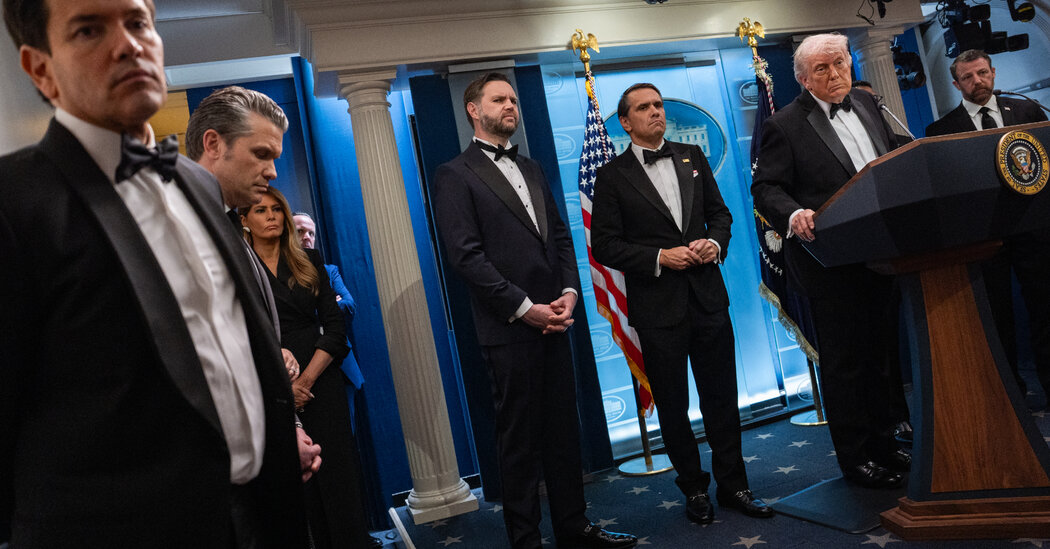
Chaos at the Hilton: Donald Trump’s Narrow Escape and the Shadow of Political Violence
In the annals of American political history, few figures have navigated as many near-fatal threats as Donald Trump. Just over three years ago, the former president emerged unshaken from an assassin’s bullet that grazed his ear at a Pennsylvania rally—a chilling moment captured on video that seemed plucked from the pages of a thriller. This Saturday, at the Washington Hilton Hotel, he faced peril once more when a lone gunman stormed a Republican fundraiser dinner in an audacious bid to target Trump’s inner circle. With the suspect now in custody, authorities are sifting through a manifesto-style note that reveals a deep-seated grudge against the administration and its leadership. As investigators dig deeper into the motive, this incident reignites a simmering national conversation about the fragility of political discourse and the unchecked rise of violence in an already polarized America. For Trump, the episode marks another close call, underscoring how the line between fierce opposition and lethal action grows increasingly blurred in today’s volatile climate. Eyewitness accounts and security footage paint a harrowing picture: caterers in white jackets scrambling for cover, Secret Service agents shouting orders amid the din, and cabinet members hastily escorted away as gunfire echoed through the ballroom. It’s a reminder that in the heart of Washington, D.C., even elite gatherings aren’t immune to the chaos that political extremism can unleash.
The Suspect’s Manifesto and the Unfolding Attack
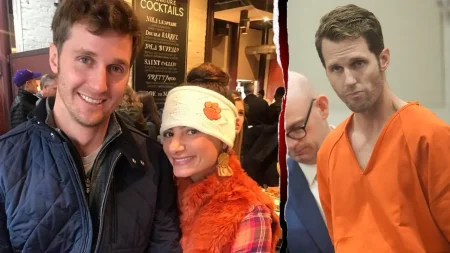
Law enforcement sources, speaking on condition of anonymity, have identified the assailant as 31-year-old Cole Tomas Allen, a resident of Torrance, California, who checked into the hotel just hours before the event as a guest. What sets this case apart is the lengthy note he reportedly left behind—a roughly 1,000-word diatribe that meticulously outlines his frustrations without naming Trump directly but implicating the president and his administration as enablers of supposed crimes. Phrases like “I could no longer allow a traitor to coat my hands with his crimes” drip with vitriol, suggesting a man fueled by ideological fury rather than irrational impulses. Strikingly, Allen expressed surprise in the note at how easily he managed to smuggle weapons—a shotgun, handgun, and knife—into the upscale venue, highlighting potential lapses in hotel security protocols that could prompt nationwide reviews. As Trump, accompanied by Vice President JD Vance and First Lady Melania Trump, took their seats mere minutes before the disruption, my colleague Shawn McCreesh, embedded with the White House press pool, described a scene of pure pandemonium: guests diving to the floor, doors slamming shut, and the air thick with the acrid scent of panic. Security video released by Trump on Truth Social captures Allen sprinting through the foyer above the ballroom, his path a frantic dash toward history. Yet, swift intervention by armed personnel thwarted what could have been a massacre, leading to the suspect’s immediate arrest and charges of federal firearm and assault violations. His court appearance looms today, where prosecutors will likely pivot to details from the note while piecing together his biography—details that paint a portrait of isolation and radicalization in the digital age.
The attack at the Washington Hilton wasn’t just a random eruption; it reverberated through a hotel steeped in its own dark legacy. Forty-three years earlier, in 1981, President Ronald Reagan was shot and wounded mere steps from the poblano where Trump dined, a parallel that feels eerily prescient in today’s context. This historical echo amplifies the gravity of Saturday’s events, turning a mundane fundraiser for Republican women into a flashpoint for national soul-searching. Trump officials were clearly on the radar, as the suspect’s note made abundantly clear, but questions linger about why this particular venue was chosen and how it evaded tighter scrutiny. Analysts point to broader trends: with Trump emerging as one of the most targeted presidents ever—surviving one assassination attempt in 2024 where a sniper’s bullet missed him by millimeters at a Pennsylvania rally, and another months later at his Florida golf club where Secret Service took down a rifle-wielding intruder—the pattern suggests a landscape where celebrity and politics intertwine dangerously. Political violence in the U.S. isn’t new, but the frequency has spiked alarmingly, blurring lines between protest and predation. This incident forces a reckoning on how to bolster security without stifling debate, especially as Trump’s 2024 campaign ramps up. Lawmakers and security experts alike are now debating enhanced protocols for public events, weighing the balance between freedom and vigilance. In an interview with a senior Secret Service official, who requested anonymity, the sentiment was clear: “These close calls are wake-up calls. We can’t afford complacency when the stakes are this high.”
Beyond the Hilton: A Nation Grappling with Rising Extremism
Extending the lens beyond Trump’s latest brush with fate, the attack underscores a troubling uptick in political violence that has America on edge. This isn’t isolated; consider the tragic shootings of Democratic Minnesota state lawmaker Melissa Hortman and her husband at their home last June, or the slaying of conservative activist Charlie Kirk on a university campus mere months later. These incidents, scattered across the electoral map, signal a fraying social fabric where ideological divides morph into deadly confrontations. Experts like Rachel Kleinfeld, a senior fellow at the Carnegie Endowment for International Peace, have long warned that unchecked extremism erodes democratic norms. “When violence becomes a tool for expression,” she notes in a recent piece, “it undermines the very foundations of civil discourse.” For Trump, who has courted controversy with his unyielding rhetoric, the pattern raises whispered debates about whether his polarizing style inadvertently fans these flames. Yet, the blame game misses the mark; root causes dig deeper, from the echo chambers of social media to the fallout of economic discontent and urban unrest. As the nation heals from each shock, calls for comprehensive reforms grow louder— whether through stricter gun laws, mental health initiatives, or digital platforms holding algorithms accountable. White House aides, while downplaying any links to broader conspiracies, acknowledge the need for vigilance. In the aftermath, Trump’s team has doubled down on security measures, vowing that such events will only strengthen their resolve. This episode, however, serves as a stark reminder: in a democracy, protecting leaders is paramount, but safeguarding the peaceful exchange of ideas is equally vital to prevent the cycle from repeating.
Stalled Diplomacy: The Fractured U.S.-Iran Relations Amid Global Tensions
As the dust settles from the domestic upheaval in Washington, the spotlight shifts overseas to a diplomatic standoff that’s equally fraught with peril. Iran and the United States find themselves mired in a precarious “no war, no peace” stalemate, as aptly described by an Iranian newspaper over the weekend, with neither side willing to cede ground. Negotiations, once poised for momentum, have ground to a halt, escalating risks to global stability. President Trump abruptly canceled plans to dispatch his special envoy, Steve Witkoff, and son-in-law Jared Kushner to Pakistan for a second round of talks, a move that sent ripples through diplomatic circles. Iranian officials, citing Trump’s naval blockade on their ports, flatly refuse to entertain direct discussions until the embargo lifts, framing it as a precondition for progress. This deadlock isn’t just ideological theater; analysts warn it could unleash economic turmoil, straining oil markets and international trade routes. With cease-fires in Iran and neighboring Lebanon teetering on collapse—Iran-backed Hezbollah exchanged strikes with Israeli forces just yesterday—the region stands on the brink of fresh conflict. My colleague Eric Schmitt’s investigation reveals the toll on U.S. military resources, with daily expenditures topping nearly $1 billion as munitions dwindle in the relentless Middle East campaign. Video reports from the frontlines capture the grim calculus: precision airstrikes and defensive postures that drain arsenals while attempting to deter escalation. For Trump, whose “America First” doctrine often sidesteps traditional alliances, this impasse tests the limits of unilateral pressure. Experts like Vali Nasr, dean of Johns Hopkins School of Advanced International Studies, argue that bridge-building requires mutual concessions, yet distrust runs deep. As tensions simmer, the world watches, hoping cooler heads prevail before rhetoric gives way to irreversible action.
The Lingering Scars: Chernobyl’s Radioactive Battlefield and Humanity’s Resilient Spirit
Amid the headlines of immediate crises, the ongoing tragedy at Chernobyl offers a sobering reminder of how human folly and fate intertwine with modern warfare. Forty years since the world’s worst nuclear disaster blanketed northern Ukraine in haunting silence, the Chernobyl exclusion zone—once a ghostly reminder of technological hubris—has become a battleground in Russia’s invasion. Ukrainian forces now fortify the area, but last year a Russian drone breached a $2.5 billion containment shell over Reactor No. 4, undermining decades of radiation isolation efforts. This layered calamity—nuclear meltdown compounded by war—has set back stabilization by years, forcing scientists to recalibrate in the face of belligerent tactics that ignore environmental peril. Eyewitnesses describe earthen trenches and makeshift bunkers amid the zone’s irradiated wilderness, where soldiers navigate a landscape laced with invisible dangers. Yet, this adversity highlights a broader theme of human endurance; local biologists and historians report on wildlife reclaiming the area, adapting to the toxic legacy in ways that inspire ecological studies. For Ukraine, defending Chernobyl isn’t just strategic—it’s a stand against erasure, mixing the fight for sovereignty with the cleanup of history’s wounds. Global observers, including IAEA representatives, emphasize the urgent need for international cooperation, lest another incident unleashes wider catastrophe. This story, far from abstract, echoes through today’s conflicts, urging a reevaluation of how wars scar not just people, but the very planet. As Ukraine’s resilience shines through, it prompts questions about accountability in an age where destruction knows no borders.
From Global Crises to Cultural Shifts: Japan’s Fashion Vanguard and Everyday Choices
Turning from the shadows of conflict, a more optimistic thread emerges in the global tapestry: the burgeoning influence of Japanese fashion on international trends. In an era dominated by fast fashion’s excesses, a new wave of labels like A.Presse, Comoli, Auralee, and T.T. is captivating discerning shoppers, blending meticulous craftsmanship with subtle innovation. These brands, once niche, are now sought after for their precision—think moleskin trousers tailored with NASA-like exactitude—offering quality that outlasts trends. Economically savvy consumers, priced out of luxury giants, champion them as superior value, fostering a shift toward sustainable, thoughtful design. “It’s about authenticity over flash,” notes fashion analyst Vanessa Friedman in a recent Vogue interview, highlighting how Japanese aesthetics appeal to a post-pandemic generation weary of disposability. Beyond style, this cultural export reflects broader exchanges, bridging East and West. Meanwhile, as we ponder life’s big conflicts, remember the small, daily decisions shaping our futures. Experts from the American Council on Exercise suggest simple habits—like opting for an early bedtime or genuine connections over social media—can bolster longevity and well-being. And for those interested in history’s quieter heroes, five European resistance museums stand as testaments to ordinary courage against fascism. In music, Swedish pop star Zara Larsson marks a triumphant comeback with infectious tracks that evoke her early hits. Finally, in the realm of comfort food, a savory mince pie recipe draws from British classics, adaptable and budget-friendly, perfect for cozy partagé over rice or roti. These threads— from geopolitical dramas to personal joys—remind us that even in turbulent times, curiosity and creativity offer pathways to meaning. As investigations into Saturday’s attack unfold and global talks teeter, we glean that progress often emerges from unlikely places, urging us to stay informed, engaged, and hopeful.