





Building Momentum for a Billionaire Tax in the Golden State
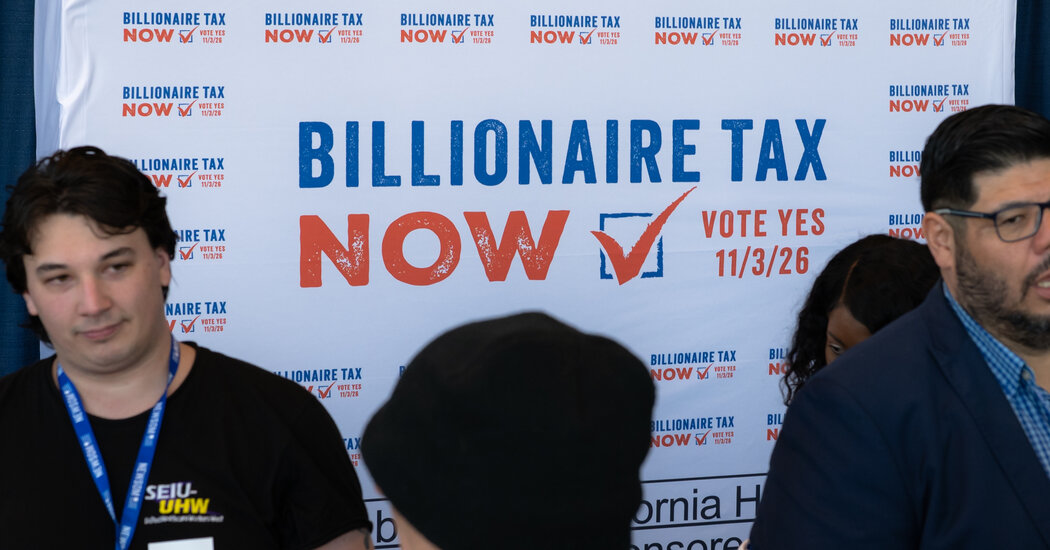
In the heart of California, a labor union is making waves with a bold proposal to tax the state’s wealthiest residents. The Service Employees International Union-United Healthcare Workers West has gathered over 1.5 million signatures to push a measure onto the November ballot. This effort, announced in a statement over the weekend, aims to force a vote on taxing billionaires’ assets. Led by union leader Suzanne Jimenez, the campaign highlights the urgent need to protect healthcare amid cuts to programs like Medicaid under the previous administration. It’s a human story of everyday workers standing up against economic giants, fighting for patients who rely on essential services. As the group prepares to submit signatures tomorrow, the excitement builds—could this be the spark for real change in addressing income inequality?
A Tax on the Ultra-Wealthy: The Proposal’s Details
At its core, the proposal isn’t just about raising money; it’s a targeted one-time 5 percent tax on the assets of Californians worth at least $1.1 billion. The funds would primarily shore up healthcare, plugging gaps left by federal reductions. Imagine the families relying on these programs—nurses, doctors, and patients in hospitals across the state—breathing easier with stable funding. Jimenez’s words echo this sentiment: “Healthcare workers and our allies won’t quit until we fully protect our patients from the looming healthcare disaster.” It’s a narrative of resilience, where union members share personal stories of overwork and underfunding, rallying support from allies like Senator Bernie Sanders. Yet, this isn’t without controversy, tapping into broader debates on prosperity and fairness in a state known for innovation.
Opposition Strikes Back: Economic Warnings
Opponents, including tech titans and Governor Gavin Newsom, are rallying against what they see as a threat to California’s soul. On Monday, they’ll unveil a study warning that the tax could devastate the startup ecosystem, especially as AI booms. Authored by experts from past administrations under governors Jerry Brown and Arnold Schwarzenegger, it predicts losing 108,000 high-paying jobs and billions in revenue over two decades. Picture Silicon Valley engineers and entrepreneurs packing up, relocating to more tax-friendly havens—it’s a cautionary tale of innovation at risk. Critics like Dan Newman argue it’s a gamble, trading short-term gains for long-term losses that could gut schools and health services. Funded by billionaires like Ron Conway and Sergey Brin, they’ve crafted rival ballot measures to block or ban such taxes outright.
California’s Complex Ballot Dynamics
Navigating California’s ballot system is like a high-stakes chess game. To get on the November ballot, at least 875,000 valid signatures are needed, with a verification process ahead. Even if it qualifies, supporters have until late June to commit. Meanwhile, rival proposals—paired by wealthy investors—could complicate things. One forbids new taxes on personal property and assets, while others invalidate wealth taxes indirectly. Ron Conway, speaking on a podcast, sees these as bargaining chips for negotiations to keep the main tax off the ballot. It’s a strategy of leverage, where competing measures might confuse voters, leading to none passing. In this democracy of direct voter input, it’s about gauging public will on equity versus economic vitality.
Voices for and Against: A Divided Landscape
Support comes from unexpected places, with Sanders endorsing the tax as a step toward justice. Union members emphasize stories of healthcare heroes on the frontlines, cut short by budget woes. On the flip side, Silicon Valley leaders warn of fleeing talent and dimmed innovation lights. Newsom has pledged opposition, fearing California’s allure fading. It’s a clash of worlds: labor advocating for the vulnerable versus business protecting the engine of growth. Voters must weigh these narratives—tales of struggling families versus dreams of technological breakthroughs—amid claims of overstated impacts or underestimated benefits. Analysts predict billions in gains offset by migration losses, painting a nuanced picture of fiscal trade-offs.
The Road Ahead: Uncertainty and Potential Impact
The verification process will decide if this lands on the ballot, potentially sparking a multimillion-dollar campaign. An earlier state analysis supports revenue boosts but notes possible outmigration of billionaires, lowering future income taxes. Crossroads ahead include ballot rivalries, where the measure with the most “yes” votes prevails. For Californians, it’s about grappling with inequality in a diverse state—from tech hubs to underserved communities. Jimenez’s union vows persistence, humanizing the fight as one for dignity and care. Opponents counter with studies of economic doom. As tensions rise, the outcome could reshape the state’s future, balancing dreams of equality with the realities of global competition. Whether voters embrace the tax or swat it away, it’s a reminder that in California, grassroots movements sometimes challenge the powerful.