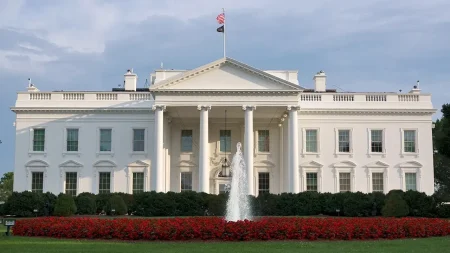







In the chilling spring of 2020, as a strange and lethal respiratory virus swept silently across the globe, locking down cities and reducing the vibrant hum of human society to a fearful whisper, an unlikely cultural phenomenon emerged from the sterile halls of government bureaucracy. Dr. Anthony S. Fauci, a seventy-nine-year-old immunization specialist with a raspy Brooklyn accent, wire-rimmed glasses, and a penchant for speaking with his hands, found himself thrust into the blazing glare of the international spotlight. While the world shuttered its doors and retreated into the isolating confines of quarantine, Fauci became the unexpected anchor keeping a drifting ship of state steady in the tempest. In a surreal twist of fate, the man tasked with delivering some of the grimmest and most terrifying news in modern history also became, in a deeply human sense, the metaphorical life of the party. His daily appearances at the White House press briefings were not merely dry government updates; they were highly anticipated television events that millions of citizens gathered around their screens to watch, seeking comfort, absolute clarity, and a touch of reassuring humanity in his gravelly, grandfatherly voice. At a time when political leadership seemed hopelessly fractured, chaotic, and partisan, Fauci emerged as the collective conscience of a worried nation, a public figure who could explain complex virology with the warm, plainspoken charm of a neighborhood doctor who had stopped by to check on your family. His presence on television screens brought an undeniable spark of vitality to a dark and otherwise morose historical moment, bridging the vast chasm between cold clinical data and the deep, emotional human need for honest reassurance. He did not merely deliver statistics about infection rates; he genuinely connected with the psychological state of a terrified public, offering a rare mixture of scientific gravity and approachable warmth that made him feel like an intimate confidant rather than a remote federal administrator.
The sudden explosion of “Fauci-mania” was as bewildering as it was unprecedented for a career doctor who had spent decades working quietly in federal laboratories. Almost overnight, his face was plastered on everything from novelty coffee mugs and commemorative bobblehead dolls to prayer candles, customized donuts, socks, and yard signs that proudly declared “In Fauci We Trust.” Creative bartenders mixed “Fauci-tinis” for customers desperate for a laugh, while fans on social media treated him with the adoration normally reserved for pop stars and Hollywood actors. The peak of this bizarre cultural adoration occurred when the legendary late-night comedy show Saturday Night Live featured Brad Pitt portraying him—a casting choice Fauci himself had jokingly requested in a prior interview, demonstrating his sharp, self-deprecating sense of humor. This surreal transition from a serious laboratory researcher to a glittering pop-culture icon highlighted a profound paradox: how does one remain the energetic “life of the party” while carrying the crushing, unimaginable weight of a global health catastrophe? Rather than letting this intense fame inflate his ego or distract him from his public health mission, Fauci navigated the modern celebrity landscape with a combination of bemused humility and sharp scientific focus. He strategically utilized every media platform available—from late-night talk shows and podcasts to Instagram Live sessions with young celebrities—not to feed his own vanity, but to deliver crucial, life-saving information to demographic groups that might otherwise tune out governmental press releases. By stepping out of the sterile ivory tower of medicine and into the vibrant, chaotic world of modern entertainment, he humanized the face of science, making the complex guidelines of masks and social distancing feel less like federal mandates and more like a shared, collective duty of care for one another.
To truly understand the internal fortitude that allowed Fauci to survive this relentless public spotlight, one must look past his pandemic-era celebrity and examine the decades of rigorous, exhausting service that forged his character. This was far from his first crisis; Fauci had been on the front lines of public health for more than fifty years, advising seven different United States presidents and helping guide the country through the terrifying early days of the HIV/AIDS epidemic, where he earned widespread respect for listening directly to angry activists whom others in power ignored, as well as outbreaks of Ebola, Zika, anthrax, and swine flu. The incredible work ethic he displayed during the COVID-19 pandemic—often working eighteen-hour days, surviving on four hours of sleep, and skipping meals—was not a temporary burst of energy, but the standard operating procedure for a man who had dedicated his entire adult life to the protection of human health. Even as an octogenarian, he maintained a strict physical regimen, taking brisk daily power walks around his neighborhood with his wife, Christine Grady, a distinguished bioethicist who served as his intellectual anchor and moral compass during the storm. This long history of public service also provided him with the administrative diplomacy needed to walk an incredibly narrow tightrope at the White House, particularly when delivering scientific truths that directly contradicted the political narratives of the Trump administration. Fauci frequently found himself in the delicate, highly stressful position of having to gently correct the President of the United States on live television without triggering a defensive political reaction that could lead to his firing or further alienate a confused public. It was a masterclass in professional poise, illustrating his unwavering belief that public servants must remain steadfast in their commitment to objective truth, regardless of the personal cost or political landscape.
Beyond the high-stakes politics and the intense media spotlight, it was Fauci’s deep vulnerability and relatable personal life that truly humanized him to the public. He was a man of simple, grounded passions, most notably his lifelong love for the sport of baseball and his fierce devotion to his beloved Washington Nationals, the local team whose games he attended whenever his grueling schedule allowed. His connection to the game became a moment of shared national amusement when he was invited to throw out the ceremonial first pitch of the pandemic-delayed 2020 baseball season; his throw went hilariously wild and wide, landing far outside the batter’s box, an endearing mistake that he laughed off with self-deprecating good humor that won him even more affection. Underneath the cheerful public persona, however, lay a deep reservoir of empathy that frequently broke through his professional exterior. There were moments during interviews and congressional testimonies when his voice would noticeably slip, his eyes shining with unshed tears as he spoke about the tragic loss of human lives, particularly among vulnerable populations and minority communities who bore the brunt of the pandemic’s fury. Unlike many detached bureaucratic leaders, Fauci never forgot that behind every data point, chart, and survival curve were real mothers, fathers, children, and friends whose lives had been permanently shattered by the virus. His willingness to show his own exhaustion, to confess when scientific consensus was still evolving, and to admit his own limitations made him deeply relatable, transforming the clinical image of the medical establishment into a warm, deeply compassionate human endeavor. He was known to spend his late-night hours personally responding to emails from worried citizens and complete, terrified strangers, offering direct, individualized medical advice and reassurance to ordinary people who had reached out to him in their darkest hours of despair.
However, the cultural phenomenon surrounding Fauci was not a narrative of universal adoration; as the pandemic dragged on and societal exhaustion set in, he became a central target of intense political division. The very charisma and constant media presence that made him a beloved savior to half the country transformed him into a lightning rod for anger, conspiracy theories, and hostility for the other half. Skeptics and political opponents accused him of being an attention-seeking bureaucrat, a tyrant who sought to destroy the economy through lockdowns, and a hypocrite whose scientific advice constantly shifted. The backlash was not merely rhetorical; it manifested in coordinated public campaigns to ruin his reputation, hostile and combative congressional hearings where politicians sought to grill him for television soundbites, and a barrage of horrific, highly targeted death threats delivered directly to him, his wife, and his three adult daughters. To protect his vulnerable family, this peaceful, elderly physician was forced to live under a constant, heavy armed security detail, with federal marshals accompanying him everywhere he went, including on his daily outdoor walks through his otherwise quiet neighborhood. The psychological burden of having his lifelong career of saving lives twisted into a narrative of malevolence was immense, yet Fauci handled this profound hostility with an admirable, almost sociological calm. He consistently refused to descend into petty political mudslinging or public feuds, choosing to rise above the personal attacks by refocusing public attention on the scientific data and the collective effort needed to defeat the virus. His resilience during this period of extreme polarization highlighted a rare depth of character, demonstrating that his dedication to the welfare of the American public was entirely decoupled from whether or not they liked him, illustrating the true definition of selfless public service.
When Dr. Fauci finally stepped down from his role as the director of the National Institute of Allergy and Infectious Diseases after thirty-eight years, he left behind a transformed landscape of scientific communication and public health leadership. His retirement was not a quiet retreat from the world, but a transition into a legacy of education, mentorship, and continued advocacy for scientific integrity in a world increasingly plagued by digital misinformation. Though referring to him as the “life of the party” during a severe global tragedy might initially sound lighthearted or even flippant, in many ways, he was indeed the essential, beating lifeblood of the nation’s collective consciousness during one of its darkest and most fragile eras. His vibrant energy, his resolute refusal to yield to despair, and his remarkable ability to find moments of genuine joy and connection amidst the gloom served as a powerful, enduring model of how to lead with both intellectual authority and deep emotional empathy. He proved to the academic community that science does not have to be a cold, unfeeling, or inaccessible discipline; instead, it can be successfully communicated with a warm heart, a witty sense of humor, and an open, honest hand. History will undoubtedly remember him as a complex, historic figure who was thrust into an impossible historical situation, navigating the dangerous waters of a once-in-a-century pandemic with a unique combination of Brooklyn grit, scientific expertise, and a profoundly human touch. Through his late-night television appearances, his self-deprecating laughs, his moments of clear physical exhaustion, and his steadfast paternal defense of scientific truth, he reminded us all that even in our darkest hours of deep isolation, we are still tightly bound together by our shared humanity, and that with patience, empathy, and objective truth, we can survive any storm.