




Echoes of War, Whispers of Peace: Inside the Exhausting Geopolitical Limbo Gripping Iran
The Psychological Toll of Brinkmanship: A Nation in Suspended Animation
Daily life in modern Tehran has devolved into a psychological war of attrition, characterized by a dizzying cycle of nocturnal terror and morning-after relief that leaves millions of ordinary citizens emotionally drained. For days, the pattern has repeated itself with cruel regularity: families retire to their beds under a darkened sky reverberating with the terrifying rumble of air defense systems or the distant, earth-shaking thuds of explosive impacts, only to wake at dawn to news reports declaring that the immediate wave of strikes has ended and that fragile, behind-the-scenes peace negotiations remain active. This exhausting rollercoaster of emotions—where the threat of thermonuclear escalation or devastating regional conflict is introduced at midnight and temporarily solved by sunrise—has fostered a deep, systemic sense of existential fatigue among the Iranian public. “They go to war at night, they stop the war by morning, it’s all ridiculous,” remarked Vahid, a 37-year-old resident of the capital city, who, like many individuals interviewed for this report, spoke under the condition of anonymity to protect his safety in a climate of intense state scrutiny. “Either fight or don’t fight; we are completely fed up with living our lives in the crosshairs of global leaders who treat our survival as a bargaining chip.” Vahid’s frustration is emblematic of a broader, collective trauma gripping a population that has spent decades enduring the compounded pressures of international isolation, sudden military posture changes, and the looming threat of total war, pushing the mental health of everyday citizens to a breaking point.
The Whiplash of Trump’s Threat and Counter-Threat Diplomacy
┌─────────────────────────────────────────────────────────┐
│ THURSDAY’S RAPID ESCALATION CYCLE │
└────────────────────────────┬────────────────────────────┘
│
- TRUMP THREAT: Strike Kharg Island “VERY HARD”
│
▼ - TEHRAN REACTION: Threaten Regional Energy Infrastructure
│
▼ - TRUMP REVERSAL: Cancel strike, cite “progress” in talks
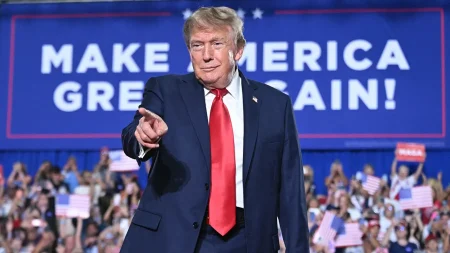
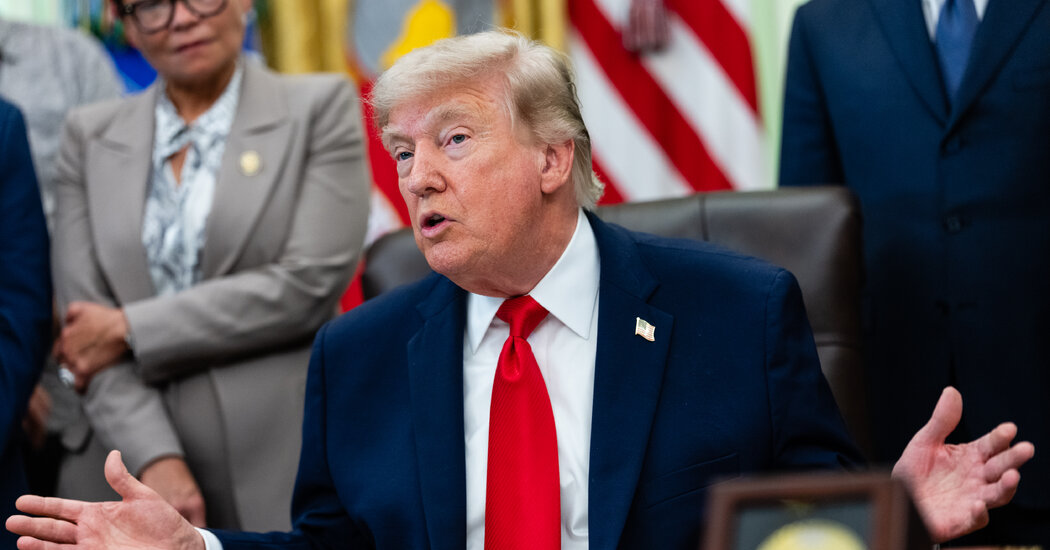
The sheer volatility of this geopolitical chess match was laid bare on Thursday, when the pendulum of potential conflict swung violently across several hours, showcasing the unpredictable nature of Donald Trump’s Middle East foreign policy. The day began with a series of aggressive statements from the American president, who threatened to hit the Islamic Republic “VERY HARD” and suggested a potential military seizure of Kharg Island—the undisputed crown jewel of the nation’s energy sector, handling over ninety percent of its vital crude oil exports. This provocative warning immediately triggered a sharp spike in global energy markets and prompted an equally fierce counter-threat from Tehran’s armed forces, which warned of swift, asymmetric retaliation against key energy production and distribution infrastructure across the wider Persian Gulf region if sovereign territory were breached. Yet, almost as quickly as the threat of an all-out regional war materialized, it vaporized; President Trump abruptly announced the cancellation of the planned military strikes, asserting that significant, tangible progress had suddenly been made in ongoing, backchannel peace negotiations. This abrupt pivots from the brink of catastrophic military engagement to optimistic declarations of diplomatic compromise have left both international geopolitical analysts and local citizens dizzy, trying to decipher whether the escalating rhetoric is a calculated negotiating tactic designed to force concessions or a dangerous, chaotic dance that could accidentally trigger a catastrophic war at any moment.
Flight to the Caspian: Fleeing the Specter of Infrastructure Warfare
Tehran ───[Haraz / Chalous Roads (Heavy Gridlock)]───► Caspian Sea Coast
(Fleeing families seeking safety)
The immediate real-world consequence of Thursday’s military posturing was a sudden, chaotic exodus from Tehran, as thousands of terrified families packed whatever belongings they could fit into their cars and fled the capital in search of safety. Traffic on the three primary mountainous arteries leading north toward the relative safety of the Caspian Sea coast ground to a standstill, with the deputy police chief confirming to local media outlets that these major highways were completely paralyzed by unprecedented bumper-to-bumper congestion. Among those caught in the panic was Reza, a 48-year-old corporate manager, who made the split-second decision with his wife to abandon their home for the weekend and wait out the current wave of geopolitical tensions in the north. Reza explained that their flight was motivated by a very real fear that modern American military strikes would not be confined to remote military installations, but would instead target critical utility grids—a concern recently validated by an airstrike in southern Iran that obliterated a facility later identified by independent satellite analysis as a primary drinking water treatment plant. “The reality of our daily existence is that work has slowed to a crawl, businesses are utterly paralyzed because of fluctuating prices, and it feels as though our collective lives have been placed on indefinite hold while we wait to see if our taps will run dry or if our electricity will be cut off tomorrow,” Reza said, capturing the profound sense of vulnerability shared by millions of middle-class families.
Economic Suffocation: The Devastating Reality of the Naval Blockade
Beyond the immediate psychological terror of falling bombs, the ongoing U.S.-led naval blockade of major commercial shipping ports has quietly inflicted a slow, debilitating kind of violence upon the Iranian economy, pushing families deeper into poverty. While President Trump’s sudden decision to call off the airstrikes was welcomed by some, his parallel public declaration that the aggressive maritime blockade would “remain in full force and effect” until a comprehensive diplomatic deal is finalized served as a sobering reminder of the structural warfare being waged against everyday citizens. For Mahasti, a 65-year-old healthcare professional living in Tehran, this slow economic strangulation is fundamentally no different from physical bombardments, as the severe disruption of commercial trade routes and the near-total loss of state oil revenues systematically deplete the country’s medicine cabinets, inflate basic food items, and erode the basic standard of living. “Our daily lives are simply becoming more difficult, painful, and desperate by the hour,” Mahasti lamented, noting that the constant manipulation of the national currency, the rial, has made essential medical imports and healthcare services unaffordable for the poorest segments of the population. “If we are not actively being physically targeted by supersonic aircraft, we are being slowly starved and isolated by sanctions and relentless naval blockades, ensuring that whether a peace deal is signed or not, the average citizen pays the ultimate price.”
The Toll of “No War, No Peace”: Societal Trauma and Political Realities
This unsustainable state of perpetual limbo—neither escalating into total war nor settling into a durable, predictable peace—has begun to seriously erode the social and political fabric of the nation, a crisis openly recognized by domestic academics and high-ranking government officials alike. In the wake of Wednesday night’s terrifying air raids, Iman Vaghefi, a prominent sociologist based in Tehran, articulated this pervasive societal dread in an emotional social media post, describing how he and his fellow citizens have been forced to survive in a continuous state of “anxiety and suspense” for over half a year, waking up every single night to the terror of explosions. This deep public exhaustion was unexpectedly validated by President Masoud Pezeshkian during a formal state ceremony commemorating the late supreme leader, Ayatollah Ali Khamenei, where the president candidly acknowledged that the current “no war, no peace” status quo is a major obstacle to national progress, admitting that sustained military conflict is definitely not in the national interest. However, even as Pezeshkian sought to address the profound war weariness of his citizenry by advocating for a diplomatic way out of the crisis, he felt compelled to project traditional state strength, warning the international community that foreign military aggression would never force the Islamic Republic or its leadership into unconditional surrender.
   ┌────────────────────────────────────────────────────────┐
   │             THE "NO WAR, NO PEACE" LIMBO               │
   ├───────────────────────────┬────────────────────────────┤
   │     SOCIETAL IMPACTS      │     ECONOMIC REALITIES     │
   ├───────────────────────────┼────────────────────────────┤
   │ • Perpetual anxiety       │ • Currency fluctuations    │
   │ • Disrupted daily life    │ • Stalled business growth  │
   │ • Mass flight from cities │ • Depleted medical supplies│
   └───────────────────────────┴────────────────────────────┘
Diplomatic Disconnect on the Horizon: A Fragile Peace or Prolonged Crisis?
The true tragedy of the current crisis lies in the vast, seemingly unbridgeable disconnect between the optimistic diplomatic pronouncements coming out of Western capitals and the cold, unyielding reality experienced by people on the ground in Iran. On Thursday afternoon, President Trump once again injected a dose of confusion into the international community by confidently asserting to reporters that a historic peace agreement was incredibly close, even suggesting that a grand deal could be signed “maybe over the weekend, in Europe.” This boosterish timeline, however, was quickly met with deep skepticism in Tehran, where a spokesperson for the Iranian Foreign Ministry clarified via state television that the government had by no means reached “a final conclusion about the agreement,” hinting at massive, unresolved disagreements regarding sanctions relief, sovereign security guarantees, and the lifting of the naval blockade. As diplomats in European boardrooms continue to negotiate behind closed doors, the people of Iran are left to navigate the space between empty political rhetoric and the threat of devastation, praying that the next sound they hear in the dark of night is the gentle rain of a normal season, rather than the sirens of another air strike.
Key Takeaways from the Crisis
- Psychological Exhaustion: Ordinary Iranians are suffering from intense mental fatigue due to the constant threat of military strikes and sudden diplomatic reversals.
- Infrastructure Vulnerabilities: Concerns over targeted civilian utility grids have driven waves of residents to flee Tehran for safer coastal regions.
- The Blockade’s Invisible Toll: The ongoing maritime blockade acts as a silent siege, crippling local businesses, causing hyperinflation, and restricting medical supplies.
- Political Gridlock: President Masoud Pezeshkian acknowledges the “no war, no peace” dynamic is unsustainable, but refuses to yield to unilateral Western demands.