





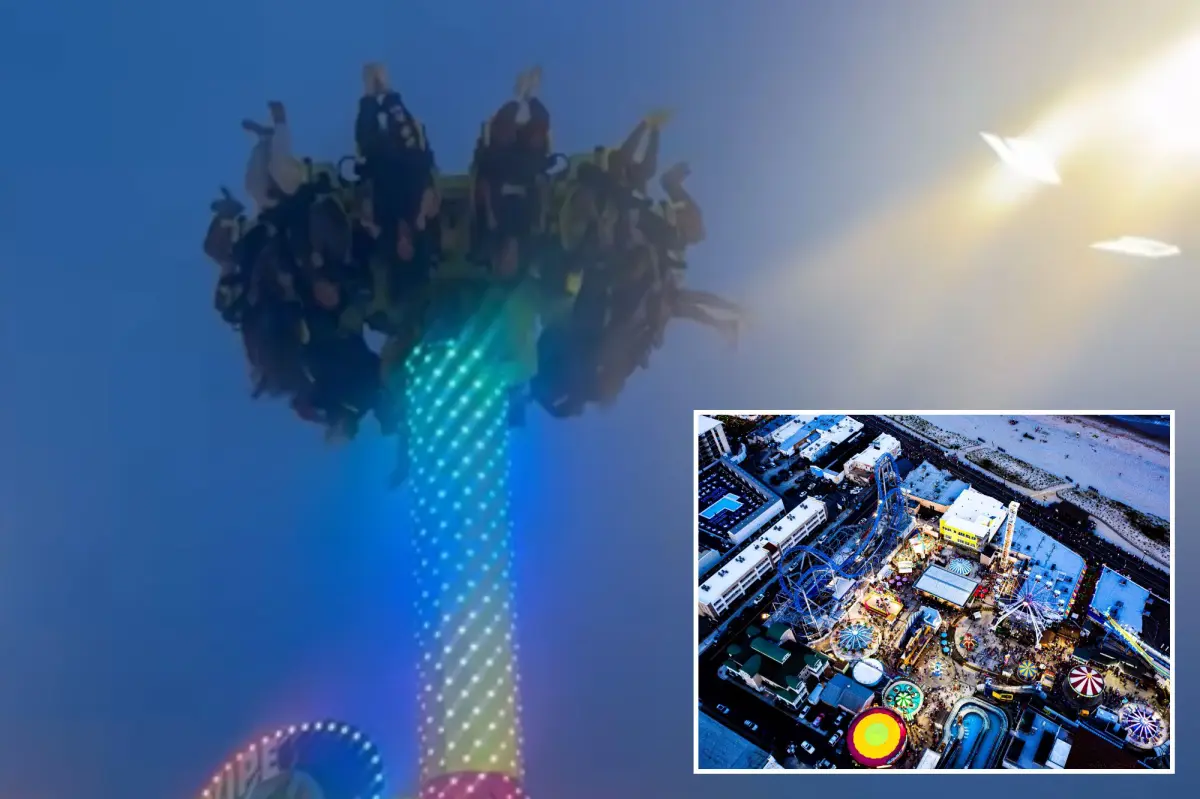
Summer on the southern coast of New Jersey has always carried a distinct, nostalgic magic, defined by the cool Atlantic breeze, the sweet aroma of freshly fried funnel cakes, and the dazzling neon glow of boardwalk amusement parks. For thirteen-year-olds Charlotte Hacker and Emilia Gordon, the day after the Fourth of July in Ocean City was meant to be the absolute pinnacle of this seasonal bliss—a joyous, sun-drenched celebration marking Emilia’s milestone thirteenth birthday. The atmosphere at Playland’s Castaway Cove was electric, thick with the laughter of vacationing families, the clinking of arcade games, and the rhythmic, metallic clanking of roller coasters cutting through the night sky. Having grown up visiting this historic seaside boardwalk, the two best friends considered themselves seasoned veterans of the park’s various attractions, always eager to conquer the tallest slides and the fastest loops. On this warm July evening, their adventurous spirits were instantly drawn to the Wipe Out, a glittering and formidable new addition to the park’s lineup that promised to push the boundaries of gravity and thrill. The ride was designed to mimic the chaotic motion of a turbulent ocean wave, swinging riders like a massive pendulum high into the air while simultaneously spinning its circular passenger compartment, repeatedly turning riders completely upside down. It seemed like the quintessential backdrop for making unforgettable memories to ring in a new chapter of their teenage lives. Clasping their ride tickets tightly in their hands, Charlotte and Emilia climbed into their seats side-by-side, checking their safety harnesses and laughing with anticipation, entirely unaware that the innocent, adrenaline-fueled escape they sought was about to transform into a claustrophobic, terrifying ordeal suspended high above the helpless onlookers below. They adjusted their positions on the molded plastic seats, exchanging excited glances as the operator secured the heavy, padded lap bars over their chests. The scent of salt air and popcorn drifted up from the boardwalk below, and the distant murmur of the crowd felt comforting, a reminder of the safe, controlled environment they believed they were in.
The initial moments of the ride delivered exactly the kind of exhilarating vertigo the girls had hoped for, but the thrill instantly vanished when the machinery ground to a sudden, jarred, and inexplicable halt at the worst possible moment. Suspended at the absolute peak of the pendulum’s arc, Charlotte and Emilia found themselves dangling completely upside down, their entire body weights pressing heavily and painfully against the cold metal lap bars that served as their only barrier from the open air. In an instant, the joyful, rhythmic screams of the passengers morphed into a chilling, collective silence of sheer, unadulterated panic. The physical reality of being trapped upside down was immediate and agonizing; gravity pulled mercilessly at their limbs, forcing a hot rush of blood to their heads that created a throbbing, dizzying pressure behind their eyes and made breathing difficult. Emilia vividly recalled the terrifying sensation of trying to lift her head to orient herself, only to find that the sheer weight of gravity made even the smallest movement nearly impossible, locking her neck in a strained, unnatural position. As the seconds ticked away, the comforting security of the safety harnesses began to feel incredibly precarious, sparking a deep, instinctual dread within both girls that the mechanical locks might suddenly disengage. Charlotte stared down at the distant boardwalk planks, her heart hammering wildly against her ribs as she imagined the unthinkable. The absolute vulnerability of being suspended midair, entirely at the mercy of a malfunctioning machine, transformed their lighthearted birthday outing into a desperate battle against their own rising hysteria, with each passing moment stretching out into an eternity. The bright, flashing strobe lights of the ride, which had seemed so festive moments before, now pulsed with a disorienting, nightmarish intensity against the dark sky. The salt air, once refreshing, now felt suffocatingly thin, and the cheerful carnival music drifting up from the games below felt like a cruel irony compared to the stark, silent terror gripping the stranded riders.
While the official emergency logs would later indicate that they were stuck upside down for approximately five to seven minutes, to Charlotte and Emilia, suspended precariously in the sky, it felt like an agonizing, endless hour. Below them, a large crowd of boardwalk onlookers began to gather, their upturned faces painted with deep worry, but from their dizzying vantage point, the two girls felt entirely isolated, trapped in a silent void of suspense. In a desperate, brave bid to keep from spiraling into full-blown panic as the blood continued to pool in their brains, the two friends clung to one another’s presence, attempting to initiate mundane, everyday conversations to distract their minds from the life-threatening reality of their situation. They whispered to each other about school, made plans for the rest of the summer, and spoke of anything that could temporarily ground them, yet the underlying terror remained impossible to fully suppress. Every slight creak of the metal structure or shift in the ocean wind sent a fresh, icy wave of adrenaline through their bodies, and Emilia found herself consumed by the vivid, terrifying premonition that the lap bars were about to snap open, plunging them headfirst toward the unforgiving ground below. The terror was not confined to those trapped in the air; looking down through blurred vision, the girls could see their family members, including Charlotte’s uncle, pacing frantically on the crowded pavement, their faces pale with helplessness as they shouted words of encouragement that were swallowed by the wind. This shared dread between the panicked families on the ground and the terrified children in the air amplified the emotional weight of the crisis, turning a localized mechanical glitch into a deeply traumatizing collective experience where every second felt like a test of survival. The girls reached out as best they could, their fingers brushing against each other for reassurance, finding solace in their shared heartbeat. It was a silent pact of survival between two young friends who, in the face of sudden mortality, chose to anchor each other to sanity rather than succumb to the paralyzing fear that threatened to overwhelm them.
Eventually, after what felt like a lifetime of suspension, the ride’s operators managed to override the system and get the massive pendulum moving again, but to the girls’ immediate dismay, the nightmare did not instantly come to a peaceful end. Instead of gently and slowly lowering the passengers to the safety of the ground, the mechanical system suddenly jerked back to life and forced the shaken teenagers through the remainder of its aggressive, preset spinning and swinging cycle. It was a cruel extension of their ordeal, forcing them to endure more high-speed turns when all they wanted was to touch the solid earth. When the passenger carriage finally leveled out at the loading platform, the expected relief was further delayed; the operators did not immediately release the safety bars, keeping the disoriented, hyperventilating, and physically exhausted riders trapped in their seats for several more agonizing minutes while they struggled to bypass the system’s locks. When the heavy harnesses finally popped open with a metallic hiss, Charlotte and Emilia stumbled out onto the platform, their legs shaking so violently they could barely support their own weight, their vision swimming as the blood flow finally began to normalize in their bodies. The massive crowd of onlookers that had gathered below erupted into spontaneous, thunderous applause and cheers, a heartwarming yet surreal display of collective relief that signaled their return to safety. Yet, as they hugged their frantic family members, the applause did little to soothe the profound physical and emotional toll of the experience, leaving them dizzy, nauseous, and deeply shaken by how quickly a childhood safe haven had betrayed them. They collapsed into the arms of their parents, crying tears of sheer exhaustion as the adrenaline began to drain from their systems, leaving behind a profound numbness. The bright neon lights of the park now seemed garish and hostile, and the laughter of other children on nearby rides felt completely disconnected from the trauma they had just survived.
In the immediate wake of the terrifying incident, the response from the amusement park’s management left a deeply bitter taste in the mouths of the girls and their families, highlighting a disappointing gap between the severe emotional trauma they had experienced and the clinical, corporate handling of the situation. Rather than offering comprehensive medical evaluations, psychological support, or even a sincere, high-level apology from the park’s ownership, Playland’s Castaway Cove chose to address the life-threatening ordeal by offering the girls simple ride ticket refunds—a gesture that felt shockingly inadequate, cold, and dismissive given the gravity of what they had just endured. To make matters worse, the administrative handling of this minor, insulting compensation was bizarrely botched; while Emilia received her five tickets back, Charlotte was inexplicably handed only three, a petty and careless discrepancy that only added insult to their psychological injuries. The girls felt a profound sense of disbelief and invalidation, realizing that an experience which had genuinely made them prepare for their own deaths was valued by the park at the mere equivalent of a few dollars’ worth of boardwalk paper tickets. Adding to their mounting shock and concern for public safety, Charlotte observed that the Wipe Out ride was not even closed for a thorough safety inspection immediately following the clear malfunction; instead, the line kept moving, and eager thrill-seekers who had watched the entire ordeal unfold were allowed to board the very same attraction just minutes after the girls had stumbled off it. This apparent lack of caution and urgency from the operators underscored a frustrating, commercialized reality where amusement park throughput and profit margins seemed to be prioritized over the psychological well-being and physical safety of vulnerable young patrons. The parents’ attempts to seek a more substantial and responsible acknowledgment of the danger were met with bureaucratic shrugs, leaving them with the chilling realization that their children’s lives had been treated as mere statistics. The transactional nature of the park’s response shattered the illusion of safety that families rely on when visiting such popular vacation destinations.
As the warm summer days continued to pass, the silence from local safety authorities and the ride’s operators only grew louder, leaving the affected families with a lingering sense of unease and many unanswered questions regarding the structural integrity of the boardwalk’s attractions. Media inquiries directed toward the Ocean City Fire Department, the Ocean City Police Department, the ride’s operators, and the New Jersey Department of Community Affairs sought to uncover the technical cause behind the sudden mechanical failure and determine if any formal safety investigations or citations were being issued, yet clear explanations remained frustratingly elusive to the public. For Charlotte and Emilia, the physical soreness from straining against the safety harnesses would eventually fade, but the psychological scars of that terrifying night on the Ocean City boardwalk would undoubtedly linger much longer, casting a shadow over their future visits to amusement parks. What was meant to be a joyous, carefree transition into their teenage years—celebrated with laughter, independence, and the simple pleasures of a coastal summer—had instead served as a harsh, premature lesson in the fragility of human-engineered systems and the coldness of corporate accountability. Yet, amidst the trauma, the lingering anxiety, and their profound frustration with the park’s dismissive response, the shared ordeal also forged an unbreakable bond of resilience between the two young friends. They had faced their absolute worst fears together, suspended precariously between heaven and earth, and in surviving that collective nightmare, they discovered a deep inner strength and a profound appreciation for the simple, lifesaving comfort of having a true friend by one’s side when the world unexpectedly turns upside down. Their story stands as a poignant reminder of the human lives behind the headlines, urging a reevaluation of amusement park safety standards and a shift toward genuine empathy and responsibility. Ultimately, while the machinery of Playland’s Castaway Cove failed them, the strength of their friendship remained unbreakable, a beacon of hope in the wake of a terrifying summer night.