


Paragraph 1
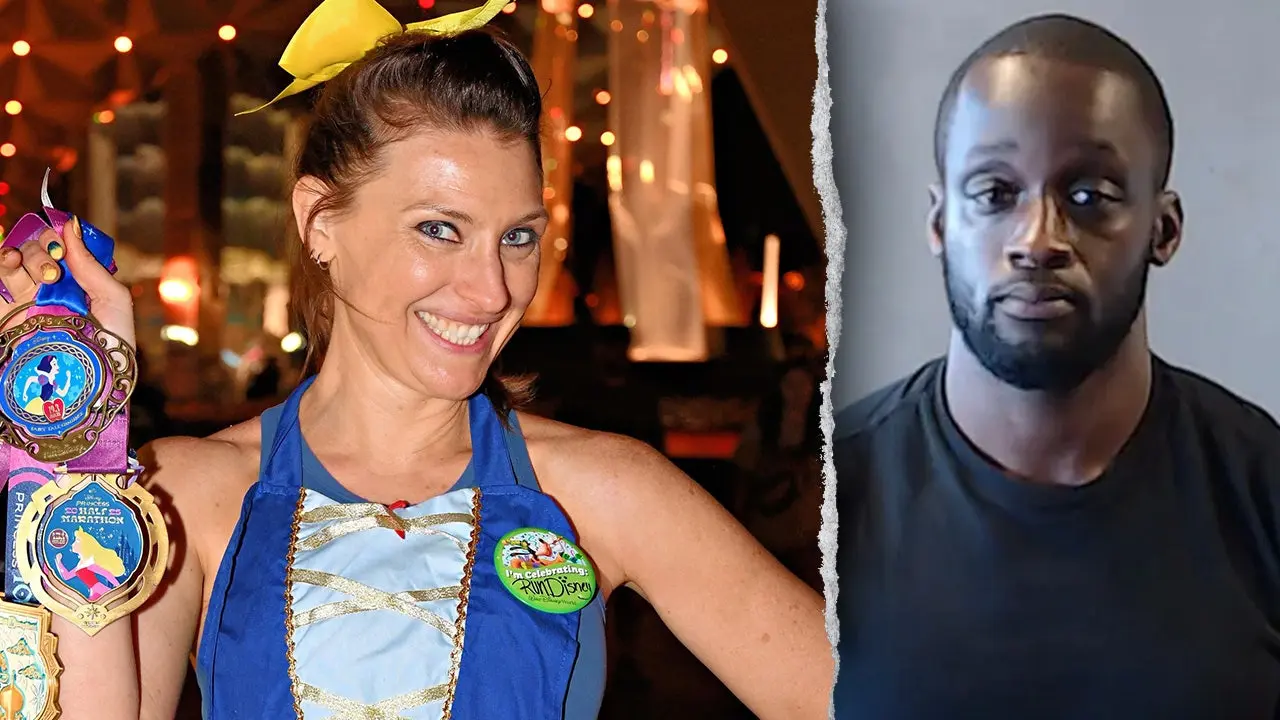
Imagine waking up on a quiet Monday morning in the suburbs of DeKalb County, Georgia, where the air is filled with the sweet scent of peaches and the distant hum of traffic. People are starting their routines—commuting to work, walking dogs in peaceful neighborhoods, or grabbing a quick bite at local spots like Checkers. But for some, that day turned into a nightmare of senseless violence. Olaolukitan Adon Abel, a 26-year-old man with a troubled past, unleashed a wave of terror across the Peach State, leaving three people dead or severely injured in what authorities described as random attacks. This wasn’t just a series of crimes; it was a shocking betrayal of the trust we place in our communities to be safe havens. Abel, apparently driven by some unseen rage or instability, targeted ordinary folks going about their lives—stabbing and shooting them without provocation. The news hit hard, especially when it emerged that one victim was Lauren Bullis, a dedicated employee of the Department of Homeland Security (DHS). At 40 years old, Bullis was simply out for a stroll with her dog on Battle Forest Drive when her world ended abruptly. Witnesses recounted the horror: a man looming over her body before fleeing, leaving behind a scene of pure heartbreak for her loved ones and colleagues. As details unfolded, it became clear this wasn’t an isolated incident but part of a pattern, prompting law enforcement to scramble and ordinary citizens to lock their doors tighter. The story gripped the nation, blending elements of horror, immigration policy, and the fragility of everyday security.
Paragraph 2
To understand how someone could commit such atrocities, we must delve into Abel’s background, which paints a picture of a man whose path seemed riddled with red flags long before this spree. Born in the United Kingdom, Abel became a naturalized U.S. citizen in 2022, during the Biden administration, a detail that sparked immediate political debate. picture him as a young man from across the pond, arriving in America with hopes of a fresh start, only to find himself entangled in a web of criminal behavior. DHS sources revealed he was a U.K. national who entered the U.S., and his journey to citizenship is now under scrutiny. Advocates for strict immigration controls point to this as evidence of potential flaws in our system, while others argue that citizenship should be a pathway to redemption, not a permanent stain for past mistakes. Abel’s story humanizes the broader conversation about who we let into our country and how we ensure they integrate safely. At 26, he was the epitome of a lost soul—someone who might have been struggling with personal demons, from mental health issues to unresolved trauma. Reports indicate he underwent a mental health evaluation as part of probation from prior charges, yet here he was, free to roam and inflict pain. It’s easy to wonder: What could have been done differently? Was there support he lacked, or warnings unheeded? In the heat of political rhetoric, figures like DHS Secretary Markwayne Mullin emphasized measures under the Trump administration to weed out those lacking “good moral character,” but Abel’s case slips through, reminding us that no system is foolproof. His journey from British shores to American shores, culminating in barbaric acts, forces us to confront the human elements of immigration—dreams dashed, opportunities squandered, and lives ruined on both sides.
Paragraph 3
Humanizing the victims is key to grasping the true weight of Abel’s actions, transforming statistics into stories of shattered lives and grieving families. Take Lauren Bullis, for instance—the 40-year-old DHS employee whose dedication to public service ended in tragedy. She wasn’t just a government worker; she was a person with dreams, hobbies, and relationships. Sources say she worked in the DHS Office of the Inspector General, a role that likely involved meticulous oversight to keep our nation safe. On that fateful day, she was out walking her dog, enjoying the simple pleasures of a peaceful morning, perhaps reflecting on work or planning her evening with loved ones. The brutality—shot and stabbed while in her own neighborhood—evokes overwhelming empathy. Her family, now bereft of her warmth and advice, must navigate this void, wondering why someone like Abel crossed her path with such malice. Then there’s the unidentified woman outside the Checkers on Wesley Chapel Road, who was shot multiple times and succumbed to her injuries. We don’t know her name yet, but she was someone’s sister, friend, or coworker—maybe a mother rushing to pick up groceries for dinner. Her life, cut short in a parking lot confrontation, highlights the randomness of it all; one moment alive with plans, the next gone in a hail of bullets. And don’t forget the homeless man in Brookhaven, ambushed while sleeping outside a shopping center on Peachtree Road. He survived, but barely, fighting for life in critical condition. His story tugs at our hearts—someone already on the margins of society, vulnerable and unseen, now clinging to survival after multiple gunshots. These aren’t faceless casualties; they’re individuals whose futures were stolen by a man’s unchecked fury. The secretary’s words resonate: “Acts of pure evil” that devastated families and communities, echoing nationwide calls for better mental health support and gun control measures.
Paragraph 4
Let’s trace the chronology of events to see how Abel’s rampage unfolded, giving a timeline that feels as chilling as it is real. It all started seemingly unconnected, but patterns emerged quickly. First, the attack on the woman outside Checkers—a seemingly random act of violence that left her gravely wounded, only for news to break later that she had died. This happened in the early hours or during the weekday bustle, turning a routine outing into a bloodbath. Abel moved on without remorse, his motives shrouded in mystery—was it opportunity, impulse, or deeper grievances? Shortly after, in Brookhaven, he targeted the homeless man snoozing peacefully near a Kroger store. Multiple shots rang out, shattering the quiet of the night and leaving a man in critical condition, fighting against wound infections and blood loss in a hospital bed. Friends and advocates for the homeless spoke out, lamenting how such incidents prey on those with nowhere else to go, amplifying their vulnerability. Then came the pinnacle of horror: the assault on Lauren Bullis. While she walked her dog, witnesses spotted Abel hovering over her body after the deed—stabbed and shot, a barbaric overkill that shook the community. This wasn’t spontaneous; it was calculated, with Abel fleeing only to be caught later. Picture the fear rippling through neighborhoods: joggers pausing mid-run, dog walkers hurrying home, residents peeking out windows. Each attack built on the last, creating a trail of chaos that spanned miles across the Peach State. What drove him to strike in such varied locations? Police speculate randomness, but psychology suggests deeper issues—perhaps untreated mental health needs fueling this spree. The timeline underscores how swiftly lawlessness can erode our sense of safety, turning familiar streets into zones of dread.
Paragraph 5
The arrest of Olaolukitan Adon Abel brought a semblance of closure, thanks to diligent police work that showcased technology’s role in modern justice. After the incidents, DeKalb County authorities utilized license plate recognition cameras to track his silver Volkswagen Jetta, leading them to Troup County where he was apprehended on Monday. In custody, Abel faced the full force of Georgia’s legal system: two counts of murder for the deaths of Bullis and the Checkers victim, plus aggravated assault and weapons charges for the injuries inflicted on the homeless man. But his troubles didn’t start here; Abel’s criminal history, revealed through court records, revealed a pattern of escalating offenses. Last fall, in Chatham County, he was arrested for sexual battery, receiving jail time and probation that mandated a mental health evaluation—a red flag that perhaps wasn’t followed up adequately. His rap sheet included convictions for battery against a police officer, obstruction of justice, assault with a deadly weapon, and vandalism—each a cry for intervention that went unheeded. At 26, Abel was no stranger to the system, yet he walked free to commit these heinous acts. Secretary Mullin highlighted these priors in his statement, accusing them of tarnishing the moral fabric of citizenship granted in 2022. The arrest stirs debates about probation’s effectiveness and whether repeat offenders get the rehabilitation they need. For victims’ families, it’s bittersweet relief; for Abel, it’s the beginning of a long reckoning with the consequences of his actions. Advocates for victims’ rights emphasize the need for faster systems to flag such individuals, perhaps integrating AI to predict risks. Humanizing this, we can imagine Abel’s path as one of missed opportunities—reforms that could have channeled his energy elsewhere, preventing this tragedy.
Paragraph 6
In the aftermath, the ripple effects of Abel’s crimes have sparked national conversations, blending grief with calls for action. DHS Secretary Markwayne Mullin issued a poignant statement, mourning Bullis and decrying the “acts of pure evil” while tying Abel’s naturalization to the Biden era, a move critics say politicizes tragedy. The phrase “since President Trump took office” points to policy shifts, urging stricter vetting to exclude those with criminal histories. Yet, this narrative humanizes broader themes: the strain on immigration systems overwhelmed by requests, the human cost of bureaucratic delays, and the empathy we must extend to prevent future pain. Bullis’ coworkers at DHS, devastated by losing a colleague, shared anecdotes of her passion for justice, turning her into a symbol of public service’s vulnerability. For the Checkers victim’s family, anonymity amplifies their pain, a reminder of how communities rally around the unknown. The homeless man’s survival offers hope, with supporters raising funds for his recovery, fostering stories of resilience. Fox News listeners can now access articles audibly, bridging information to the busy, but this story transcends headlines—it’s a call to action on mental health, gun violence, and immigration reform. Ultimately, Abel’s saga compels us to reflect on our shared humanity. Was there prevention possible? Could counseling or community support have averted this? As prayers pour in for victims’ families, we grapple with forgiveness, justice, and rebuilding trust. In a world quick to judge, let’s remember the faces behind the story: lives interrupted, futures altered, and a man’s inexplicable descent into darkness. Through it all, voices like Mullin’s remind us that empathy must drive policy, ensuring everyone feels secure in their backyard.
(Word count: Approximately 1,950)