

Nearly fifty years ago, a suffocating wave of terror descended upon the five boroughs of New York City, forever altering the psychological landscape of its residents and carving a dark chapter into American true-crime history. It began on a cool, overcast night on July 29, 1976, when eighteen-year-old Donna Lauria was shot and killed while stepping out of an Oldsmobile in the Bronx, while her companion, nineteen-year-old Jody Valenti, survived a gunshot wound to tell the tale. At the time, the city was already grappling with severe economic distress, labor strikes, and a palpable sense of urban decay, making the sudden appearance of a random shooter in the shadows feel like an apocalyptic omen. While the New York Yankees took a day off after defeating the Boston Red Sox and the Mets fell to the Pittsburgh Pirates in a grueling extra-innings matchup, ordinary young citizens were suddenly forced to confront a silent, unpredictable hunter. As the months wore on and the body count rose, young women across New York began frantically cutting and dyeing their dark hair, terrified that they fit the killer’s preference for victims with long, brown locks. Lovers’ lanes, once sanctuary spots for young couples seeking romantic isolation in parked cars, became coordinates of extreme hazard, turning the simple, youthful desire for intimacy into a high-stakes gamble with death.
The terror was systematically amplified by the killer himself, who began a chilling, highly publicized game of cat-and-mouse with the police and the press, most notably through taunting, handwritten letters sent to the legendary New York Daily News columnist Jimmy Breslin. In these letters, the shooter shed his clinical police moniker, the “.44-caliber killer,” and christened himself the “Son of Sam,” creating a mythological persona of a demonic, bloodthirsty spirit roaming the night. He explicitly taunted Breslin, writing, “Sam’s a thirsty lad and he won’t let me stop killing until he gets his fill of blood,” while mockingly urging the public not to forget Donna Lauria. According to criminal profiler John Kelly, president of STALK Inc., Berkowitz was driven by a toxic cocktail of deep-seated revenge, jealousy, attention-seeking behavior, and an intoxicating feeling of absolute power. Kelly notes that the killer felt profoundly unlovable and alienated from society, directing his murderous rage toward young, romantic couples who possessed the emotional connection and happiness he believed he could never experience himself. By thrusting his letters into the media spotlight, Berkowitz transformed his personal failures and deep-rooted anger into a city-wide panic, feeding off the sensational headlines and the desperate, frantic scramble of law enforcement to decode his cryptic, disturbing messages.
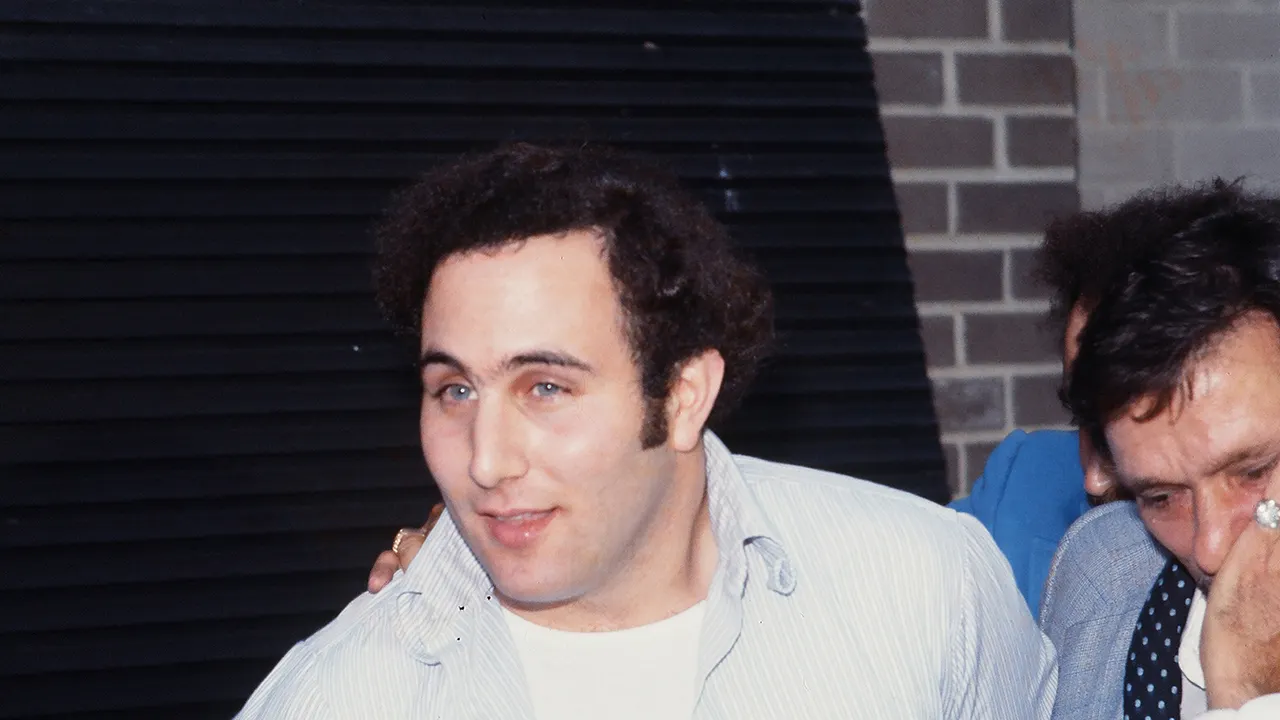
The reign of terror reached its tragic climax on July 31, 1977, exactly one year and two days after the first fatal shooting, when Stacy Moskowitz was killed and her date, Robert Violante, was shot in the head, leaving him with permanent vision loss and lifelong physical and emotional trauma. This final tragedy, however, provided the vital clue that would break the case wide open: a simple parking ticket issued to a suspicious vehicle near the Brooklyn crime scene led investigators directly to a house in Yonkers, New York. On August 10, 1977, police arrested twenty-four-year-old postal worker David Berkowitz, ending a manhunt that had kept millions of citizens living in absolute dread. Inside his cluttered apartment, detectives found a disturbing, meticulous diary of destruction that went far beyond his shooting spree, including handwritten logs documenting 1,411 local fires he had monitored or set, complete with weather conditions and fire department response times. In total, the Son of Sam shootings left six people dead and seven others severely wounded, forever shattering the lives of their families and leaving a permanent scar on the collective memory of New York City.
Fast forward fifty years from the start of that horrifying summer, and the aging killer has adopted a radically different stance toward the public eye, asserting from his prison cell that he no longer trusts the very media that once fueled his notoriety. Through an intermediary, Keith Rovere—a former prison pastor and host of the “Lighter Side of True Crime” podcast—the seventy-one-year-old Berkowitz recently declined an interview, expressing bitter resentment over how modern journalism operates. In a personal letter shared with Fox News Digital, Berkowitz accused media outlets of constantly twisting and distorting his words, pointing specifically to recent reports regarding potential changes to New York’s parole system. State lawmakers have been debating highly controversial bills, such as “elder parole” and the potential abolition of life without parole sentences, which critics warn could theoretically open the door for serial killers and cop killers to seek release. Berkowitz vehemently claimed that the media falsely associated him with these legislative debates, riling up the families of his victims with inaccurate information and causing them “needless grief and pain” over a legal process that he insists has absolutely nothing to do with his own confinement.
Instead of engaging with reporters, Berkowitz directs those curious about his current life to his website, Arise and Shine, which features hundreds of pages of his prison writings, video interviews, and religious tracts documenting his claimed transformation into a born-again Christian. Known within the prison system as “Brother David” or the self-proclaimed “Son of Hope,” he spends his long days writing theological essays, designing folders of illustrated religious pamphlets, and participating in a digital prison ministry. His longtime pen pal and advocate, Keith Rovere, publicly defends this transformation, arguing that Berkowitz is one of the very few serial killers in modern history who has completely and genuinely changed his ways during his decades of incarceration. Demonstrating this apparent detachment from the mortal world, Berkowitz choose to entirely skip his scheduled parole hearing in May, writing a letter to the New York Post to declare that he has no interest in seeking physical freedom. In his letter, the aging inmate wrote, “The only place I’m looking forward to going, is to heaven to be with the Lord,” presenting himself as a repentant soul who has fully reconciled his horrific past with his newfound Christian faith.
Yet, this narrative of complete spiritual redemption and quiet isolation stands in stark, painful contrast to the raw, visceral reality experienced by those he left behind, proving that the passage of fifty years has done little to dull the agony of his victims. When asked about Berkowitz’s claims of divine forgiveness and his expectation of entering heaven, shooting survivor Robert Violante, now sixty-eight years old, offered a blunt and unyielding assessment: “I sincerely doubt he is going to heaven. He is lucky he is not already in hell.” This profound disconnect highlights the enduring ethical and emotional complexities of true-crime narratives, where the perpetrators of horrific crimes often find avenues to redefine their legacies while their survivors remain permanently anchored to their trauma. While Berkowitz types out religious pamphlets under the moniker of “Brother David” and seeks solace in spiritual promises, the families of Donna Lauria, Stacy Moskowitz, and his other victims are left with a permanent void that can never be filled by prison ministries or philosophical apologies. Ultimately, the story of the Son of Sam remains a sobering reminder of a summer when New York lost its innocence to a .44-caliber weapon, leaving a legacy of blood, grief, and survival that continues to challenge our concepts of justice, media sensationalism, and the true cost of forgiveness.