






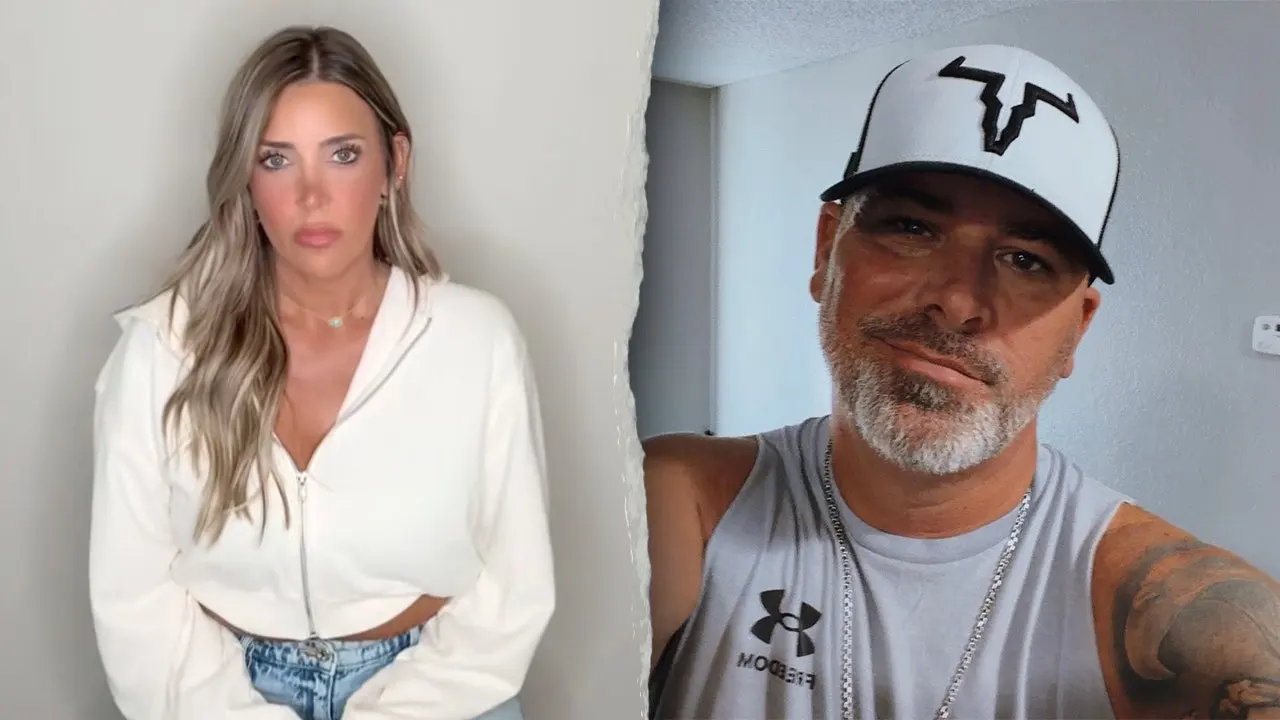
Behind the curated, bright aesthetic of social media often lies a complex, deeply human struggle that a digital screen simply cannot capture. For Sara Gilson, known to her thousands of followers on TikTok as Sara Duffey, life was a delicate, demanding balancing act of motherhood, public storytelling, and a private nightmare that was quietly spiraling out of control. To those who scrolled past her videos, she was an engaging, resilient, and charming woman navigating the chaotic waters of modern life, but to those who knew her intimately, she was foremost a dedicated mother whose world revolved entirely around the safety, happiness, and innocence of her children. The tragic end of her life in the quiet, tight-knit suburb of Owasso, Oklahoma, did not just silence a popular and vibrant online voice; it shattered a family and left an entire community grappling with the unimaginable horror of a life cut short by the very person who should have cherished and protected it. When emergency services responded to a frantic domestic violence call at her residence, they did not just find a clinical crime scene—they discovered the devastating wreckage of a system that often fails vulnerable women, leaving two people dead in what investigators have officially classified as a tragic murder-suicide. The vulnerability of Sara’s situation reflects a broader, heartbreaking reality faced by countless individuals who find themselves trapped in abusive relationships, where the threshold of what is considered “normal” slowly erodes under the weight of psychological manipulation, isolation, and persistent fear. Her story is not merely a sensational headline to be consumed and forgotten, but a sobering reminder of the profound courage it takes to stand up against abuse, and the lethal risks that often accompany a victim’s attempt to finally break free from their tormentor’s grip.
The physical reality of the violence that unfolded in the Duffey household is perhaps most chillingly illustrated by the voice of innocence that was forced to witness it and call out for rescue. In the darkest moments of that fateful day, it was a child inside the home who had to summon the unimaginable strength to dial 911, carrying the heavy burden of telling a dispatcher that his stepfather had just shot his mother. This heartbreaking detail strips away the academic detachment of a police report and forces us to confront the raw, generational trauma inflicted upon children who are caught in the crossfire of domestic disputes. When officers arrived on the scene, they discovered the bodies of both Sara and her estranged husband, Jeremiah Shawn Duffey, confirming the horrific sequence of events that the young boy had desperately tried to make sense of in real-time. This act of violence was not a sudden, unpredictable burst of passion, but the violent culmination of a toxic dynamic that had been festering beneath the surface of their marriage for years. It was a final, devastating act of cowardice where an abuser chose to extinguish a life rather than face the societal and legal consequences of his own appalling actions. The psychological toll on the surviving children, who must now navigate a world without their fierce protector and mother, is a silent casualty of this tragedy, underscoring the urgent need for comprehensive support systems that do not just step in after the worst has happened, but actively intervene when the warning signs of violence first begin to flash.
Only weeks before her life was brutally taken, Sara took to her TikTok platform to share a video that was both a brave public declaration and a haunting foreshadowing of her impending fate. Captioned with a mixture of dark humor, disbelief, and raw honesty—”Preparing for when Netflix drops a documentary about my soon to be ex husband who I just found out is a pedophile”—the video was a desperate attempt to reclaim her narrative and expose the dark reality she had uncovered. In our modern digital age, social media has become a sanctuary for those who feel unheard, a place where victims of abuse can seek validation, build communities of support, and warn others of hidden dangers when traditional channels seem slow, indifferent, or bureaucratic. By posting about the horrifying discoveries she had made regarding her husband, Sara was not seeking internet fame or superficial attention; she was raising a digital shield against a monster, using the only microphone she had to protect other children from the predator residing in her home. Yet, this act of defiance, while incredibly courageous, also placed her in the direct line of sight of an abuser whose public facade was beginning to crumble, illustrating the immense danger victims face when they decide to blow the whistle on those who wield power over them. The striking contrast between her vibrant, expressive online presence and the grim, silent reality of the crime scene serves as a stark reminder of the hidden battles fought behind closed doors, where a simple tap of a screen can be a cry for help that goes tragically unanswered.
The man who took Sara’s life, Jeremiah Shawn Duffey, was a figure of authority in the local community, serving as a youth basketball coach—a position that granted him unfettered access to vulnerable children and the implicit trust of unsuspecting parents who trusted him with their kids’ safety. This trust was shattered on June 9, when Owasso Police received a devastating report accusing him of touching a female child during an event at a local school, an accusation that would soon rip open a history of predatory behavior. As the investigation unfolded, it became clear that this was not an isolated incident; similar allegations had been reported before, prompting a federal investigation into charges of lewd molestation of a minor. The depth of his deception was further revealed when another woman filed a protective order against him, alleging that he had been caught fondling and kissing her fifteen-year-old daughter—a player on the very team he was supposed to mentor and protect—and had even resorted to bribing the young girl with money to buy her silence. Upon discovering these horrific truths, Sara did what any protective mother would do: she immediately filed an emergency protective order to ban him from their home, choosing the safety of children over her own security and comfort. It was this fierce, uncompromising maternal instinct to protect the innocent that ultimately catalyzed the fatal confrontation, showing that her final days were defined by an act of profound moral courage that stands in sharp contrast to the predatory cowardice of her killer.
The complexity of Sara’s inability to escape her abusive marriage earlier is a psychological reality that her ex-husband, Lyle Landers, watched with a heavy heart for over half a decade. Reflecting on her tragic death, Landers shared his deep sorrow, revealing that he had spent five years begging Sara to leave Jeremiah, offering any financial, emotional, or physical support he could to help her break free from the relationship. “She had been stuck in a relationship where domestic abuse seemed ‘OK’,” Landers lamented, capturing the insidious nature of systemic domestic violence, where abusers systematically dismantle a victim’s self-esteem, financial independence, and social support until survival looks like compliance. Jeremiah maintained a psychological chokehold on Sara, a dynamic of control so absolute that even the threat of violence was normalized, making the act of leaving feel more dangerous and impossible than staying in the familiar cage. Landers’ reflections paint a portrait of a woman who was trapped in an invisible prison, struggling to find the key while her loved ones watched from the outside, desperately throwing lifelines that she was too terrified to grasp. It was only when the safety of children was compromised that Sara found the strength to shatter that cycle of control and demand his removal, proving that her love for others was far greater than her fear for herself—a sacrifice that Landers acknowledges with profound grief, noting that her attempt to protect children is ultimately what cost her her life.
Sara Gilson’s tragic death must not be reduced to a momentary blip in the true-crime media cycle; it must serve as a rallying cry for a systemic overhaul in how society perceives, prevents, and prosecutes domestic violence and child exploitation. The intersections of abuse, public position, and the vulnerability of victims who speak out are vividly illustrated in this case, showing that protective orders and legal boundaries are often flimsy shields against individuals who are willing to destroy everything rather than face accountability. As we remember Sara, we must honor her not as a passive victim of a murder-suicide, but as a fiercely courageous mother, a protector, and a woman who chose to find her voice in the face of absolute darkness. Her legacy lives on in the children she defended and in the urgent conversation her death has reignited about the lethal escalation of domestic abuse when victims attempt to leave. To truly honor her memory, we must commit to building a society where victims are believed, where abusers are held accountable before they can do irreparable harm, and where no mother ever has to pay the ultimate price for standing between a predator and the children she loved.