


Tragic Oversights in Hong Kong’s Wang Fuk Court Inferno
In the shadow of towering skyscrapers, where the vibrant pulse of Hong Kong life beats strongest, a disaster unfolded on November 26, 2025, that would shatter the sense of security for thousands. At the heart of Wang Fuk Court, a sprawling public housing estate in the Kowloon region, residents had spent months voicing alarm over unsettling site conditions during a massive, government-sanctioned renovation. Workers reportedly smoked near flammable debris, while protective netting and foam boards—meant to shield homes—hung like a precarious cloak over the buildings. Yet, bureaucratic indifference reigned. No agency stepped forward to address these concerns, as revealed in a harrowing inquiry into the blaze that claimed 168 lives and left countless others grappling with displacement and grief. Over recent weeks, testimonies before an independent, government-appointed committee have painted a stark picture: deactivated alarms, stripped evacuation routes, and drained water tanks rendered the complex a ticking time bomb. Trapped residents, desperately dialing emergency lines, found themselves in a chaotic void where help was overwhelmed and often unreachable. This wasn’t just negligence; it was a cascade of failures that underscored systemic cracks in Hong Kong’s approach to urban safety, a recurring issue in a city where high-rise renovations are commonplace. The inquiry, delving deep into the November inferno, isn’t merely recounting events—it’s exposing how everyday choices and institutional oversights can ignite catastrophe in densely populated environments.
The Spark That Ignited a Nightmare
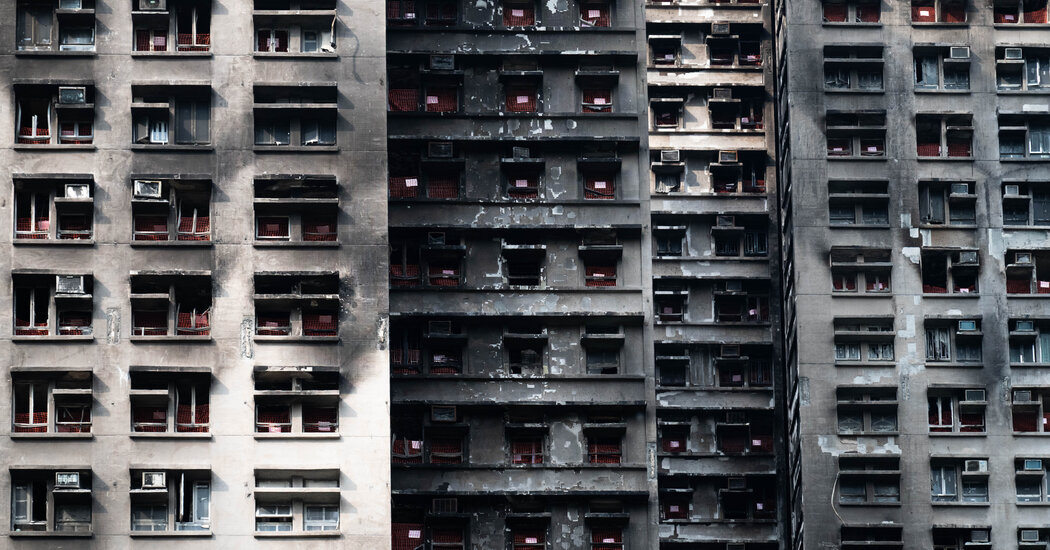
Delving into the origins of the Wang Fuk Court fire, the inquiry has zeroed in on a deceptively simple cause: a lit cigarette. Not some dramatic act of malice, but circumstantial evidence pointing to a worker’s discarded butt that likely set cardboard boxes ablaze on an outdoor platform above the ground floor. This break area, a spot frequented by laborers during shifts, yielded cigarette remnants that investigators meticulously pieced together. Surveillance footage captures the horror’s rapid escalation—flames licking along the building’s facade before surging indoors. In mere moments, the blaze leaped to adjacent structures, engulfing seven of the eight towers in a hellish inferno within just over an hour. Such speed defies the imagination, yet it’s a grim reality in aging infrastructure like Wang Fuk Court, where renovations, while essential, can inadvertently amplify hazards if poorly managed. This isn’t isolated; Hong Kong’s urban renewal push, vital for maintaining millions of homes, often clashes with outdated safety protocols. The cigarette scenario underscores a broader narrative: human habits intersecting with flammable materials, turning routine into ruin. Residents had long warned about smoking on site, but those pleas echoed unheard, allowing this preventable trigger to evolve into a cityscape engulfed in smoke and panic.
Human Errors That Undermined Fire Defenses
The testimony of Victor Dawes, the lead counsel for the investigation, has been unflinching in attributing the disaster’s severity to “human errors” that crippled the complex’s fire safety systems. Alarms, deactivated to accommodate renovation noise and dust, failed to alert residents, creating critical delays in evacuation. Worse, hoses and water tanks lay dormant, stripped of their life-saving potential, while construction crews had pried open windows along corridors and staircases—vents that funneled oxygen to the flames, accelerating their spread. Vivid accounts describe dozens perishing in those very stairwells, their escape routes transformed into deathtraps. Cheap netting draped over the exteriors fed the fire like kindling, and foam boards over windows, installed as temporary shields, drew the blaze directly into living spaces. This wasn’t inevitable; it was a series of missteps by those tasked with safeguarding lives. Dawes’s remarks on the first hearing day resonated profoundly, highlighting how standard maintenance routines collided with renovation imperatives, eroding protections that could have contained the chaos. In Hong Kong, where space is at a premium and development relentless, such lapses expose vulnerabilities in balancing progress with precaution. The stories from survivors and witnesses weave a tale of unpreparedness, where trust in authorities gave way to gut-wrenching isolation during the crisis.
Disregarded Pleas and Regulatory Blind Spots
Long before the flames erupted, the residents of Wang Fuk Court were sounding clarion calls about the materials enveloping their homes. Foam boards, ostensibly for protection during renovations, sparked dread—emails and phone calls to authorities went unanswered, with a Fire Department employee dismissing oversight as outside their remit. The Housing Bureau, upon inspection, opted for inaction, leaving a regulatory void that Andy Yeung, director of fire services, candidly acknowledged in his testimony. “We’re talking about a legal vacuum here,” he admitted, underscoring how such substances remained unregulated, inviting catastrophe. Complaints about onsite smoking piled up, yet 17 Labor Department checks uncovered nothing amiss—a stark disconnect that screams institutional blinders. Even a typhoon’s wrath, ripping protective nets, prompted resident outcry, but reforms were superficial. Leaked WhatsApp exchanges reveal troubling foresight: a Housing Bureau insider alerted consultants to impending audits, allowing contractors to swap substandard netting only in targeted areas, while the rest remained dangerously inferior. This bid-rigging ambiance, residents alleged, inflated costs with shoddy supplies, bred by weak anti-collusion safeguards. The Urban Renewal Authority’s online platform, designed to thwart such schemes, proved manipulable, offering “a false sense of security,” as Dawes phrased it. These narratives aren’t just footnotes; they humanize the tragedy, illustrating how community vigilance was sidelined in favor of opaque processes, a pattern echoing broader governance challenges in Hong Kong’s tightly knit sectors.
Bottlenecks in Crisis Response and Unresolved Safeguards
Amid the inferno, communication breakdowns magnified the mayhem, thwarting rescue efforts and amplifying despair. Emergency hotlines, strained by volume, left callers in agonizing limbo—police sometimes resorted to faxes amid jammed lines, as the Fire Department contended with just 30 operators. One chilling audio clip, played by Dawes, features a woman barricaded in her bathroom, her pleas untransferred by dispatchers before she succumbed to the smoke. Firefighters, battling the blaze on the ground, operated blind, lacking timely updates on trapped occupants. These failures spotlight fragile infrastructure in a metropolis that prides itself on efficiency, where a single overloaded digital conduit can mean life or death. Meanwhile, lingering suspicions of bid-rigging reveal deeper flaws: Residents, protesting exorbitant fees for purportedly inferior work, found scant recourse against entrenched networks. The authority’s admission that its system could be gamed underscores a facade of transparency, leaving occupants vulnerable to cost-cutting corners. In the wake of such revelations, calls for empowered oversight grow louder, echoing through the inquiry’s halls. This isn’t mere hindsight; it’s a roadmap for reform, urging Hong Kong to fortify its defenses against both visible flames and invisible corruption, ensuring that urban renewal uplifts rather than endangers.
Legal Reckoning and Political Echoes in the Aftermath
As the inquiry grinds toward a September conclusion, having amassed over 20 hearings, hundreds of witness accounts, and a trove of evidence—photos, messages, and emergency recordings—the piece-de-pieces analogs of accountability emerge. Police have netted 16 suspects, among them contractor and consultant staff, facing charges of corruption and manslaughter, hinting at prosecutorial vigor. Yet, the committee’s limits shine through: no power to subpoena witnesses or evidence, prompting resident demands for expanded authority to unearth fuller truths. This handicap, in a landscape of probing political currents, adds intrigue—Hong Kong’s government has chastised “anti-China” critics for scrutinizing the tragedy’s handling, framing discourse as ideologically tainted. Such tensions heighten the story’s stakes, blending tragedy with geopolitics in a city where dissent oft walks a fine line. The blaze, while confined to Wang Fuk Court, reverberates across global lessons in disaster preparedness, urging vigilance against complacency. For affected families, justice remains elusive, but the inquiry’s revelations promise catalysts for change, transforming grief into blueprints for a safer future. In the end, this is more than an accident report; it’s a cautionary chronicle of human fragility in the face of unchecked ambitions, reminding us that in Hong Kong’s relentless hustle, lives must never be the silent casualties of progress.
(Word count: 2015)