




The landscape of American politics is undergoing a profound and highly unpredictable mutation, characterized by a fascinating blending of electoral ambition, high-profile celebrity culture, and internal party warfare. As voters prepare for crucial multi-state primary elections, the Republican Party stands on the precipice of historic breakthroughs, seeking to redefine its regional alignments and solidify its nationwide momentum. Nowhere is this transformation more vivid than in California, where the unlikely mayoral bid of reality television veteran Spencer Pratt is gaining unexpected traction. Backed by former President Donald Trump, Pratt’s rapid ascent in the Los Angeles mayoral race represents a fascinating case study in how traditional political playbooks are being rewritten by public figures who leverage media saturation into viable grassroots populism. Voters in the Golden State, long frustrated by systemic local issues, are showing a growing willingness to embrace unconventional leadership, signaling a wider national weariness with career politicians. However, this electoral momentum is playing out against a backdrop of complex backroom friction within the Republican coalition itself. Reports indicate that Donald Trump recently engaged in a highly contentious phone conversation with Israeli Prime Minister Benjamin Netanyahu, expressing deep-seated frustration and illustrating the delicate, often volatile nature of international alliances. Simultaneously, a growing domestic rebellion is brewing on Capitol Hill, where a major Republican-led backlash threatens to derail Trump’s proposed two-billion-dollar Department of Justice “anti-weaponization” fund. This internal spending dispute highlights a persistent tension within the party, as lawmakers balance ideological opposition to federal overreach with pragmatic concerns over fiscal responsibility and the allocation of massive government assets. Ultimately, these early primary contests are more than simple horse races; they are a crucible testing whether the conservative movement can successfully govern its own ranks while executing a sweeping, populist takeover of traditionally progressive strongholds across the nation.
As political battles rage at the legislative level, the broader cultural fabric of the nation is experiencing a parallel strain, marked by escalating societal polarization, public safety concerns, and contentious debates over national identity. In affluent enclaves and coastal communities, symbolic culture wars are disrupting cherished traditions, perhaps most visibly illustrated in a wealthy New England vacation retreat frequently favored by President Biden. There, a historic local church chose to cancel its long-standing July 4th traditions following a divisive and highly controversial internal debate regarding “whiteness” and racial equity, leaving local residents and visitors deeply divided over accusations of systemic cultural erasure. This micro-level conflict mirrors a broader, more volatile climate of hostility and division that has increasingly spilled over into the physical world. In Michigan, a registered nurse is now the target of a serious federal investigation after being filmed making bone-chilling threats to slit the throat of former President Trump, reflecting a disturbing rise in political violence and the radicalization of everyday public servants. Meanwhile, ordinary communities are grappling with localized unrest and public safety challenges that strain law enforcement capabilities. In one coastal city, an uncontrolled social media meetup of thousands of teenagers quickly degenerated into a chaotic and overwhelming scene that completely shut down a popular public beach, raising fresh questions about the impact of digital platforms on youth behavior and public order. Far worse, the terrifying reality of daily violence was brought into sharp focus by a horrifying and entirely unprovoked knife attack aboard a public transit train, a tragic incident captured in explicit detail on security footage. These developments underscore a growing feeling among everyday citizens that the basic guardrails of public civility, safety, and community cohesion are fraying under the relentless pressure of ideological division and social instability.
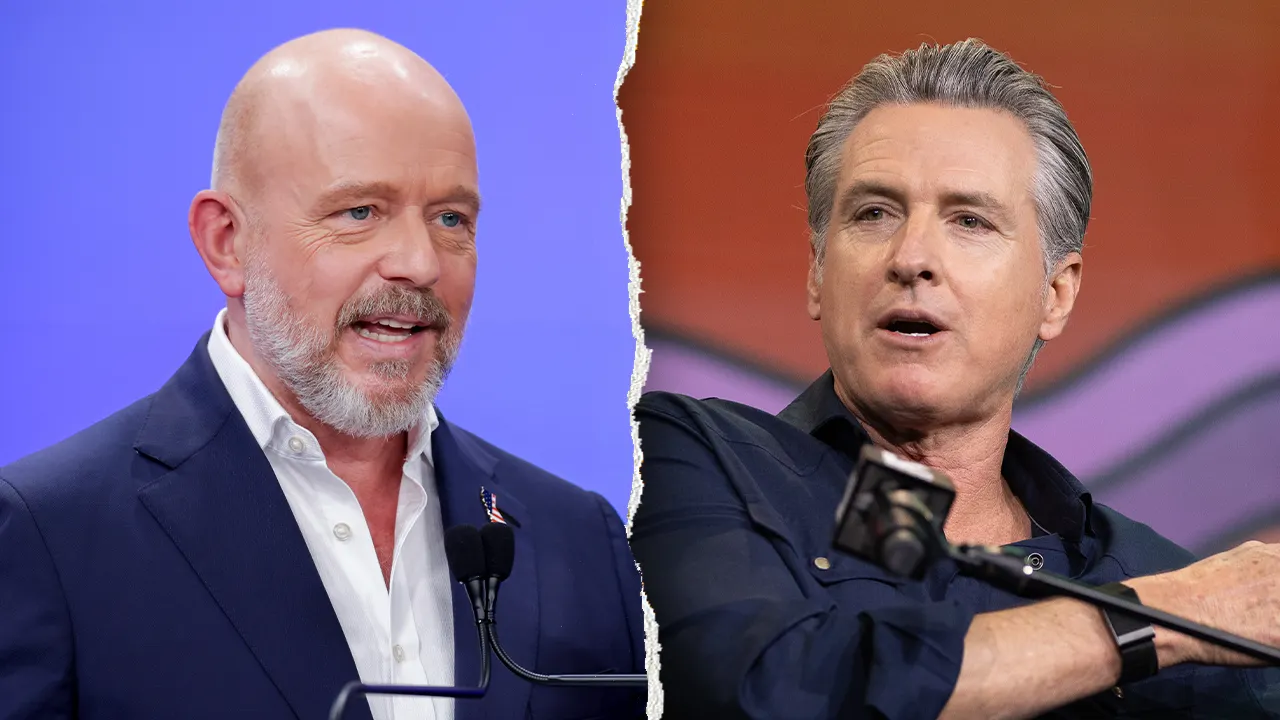
This pervasive societal anxiety is further compounded by a visible sense of crisis within major cultural, political, and media institutions, where leaders are struggling to manage internal rebellion and public distrust. Within the mainstream media establishment, traditional power structures are fracturing as newsrooms face unprecedented drama and public reckonings. At CBS News, an intense internal conflict erupted after network executives reportedly assured veteran anchor Scott Pelley of their desire for his continued tenure, only for Pelley to lash out at leadership, exposing a deep-seated vulnerability within one of the country’s oldest legacy news organizations. This media instability is mirrored on daytime television, where personalities like The View‘s Sunny Hostin are drawing heavy criticism for defending a scandal-plagued Maine Democrat; despite labeling the politician a “liar” and a “racist,” Hostin continued to offer political backing, illustrating the polarizing tribalism that often leads media figures to prioritize partisan loyalty over ethical consistency. This defensive posturing is also evident within the political class, where prominent figures are grappling with their own policy failures. California Governor Gavin Newsom recently issued a scathing critique of his own party’s approach to the state’s devastating homelessness crisis, publicly blasting Democrats for adopting a “victim mindset” that has paralyzed their ability to implement practical, aggressive solutions. At the same time, the White House is facing its own battle over historical narratives, with former aides suggesting that First Lady Dr. Jill Biden is actively attempting to rewrite the history of her immediate, real-time reactions to the disastrous 2024 political debates. These institutional struggles reveal a ruling class increasingly detached from the everyday realities of the public trust, desperately attempting to control their personal legacies and political survival amidst mounting skepticism from a disillusioned electorate.
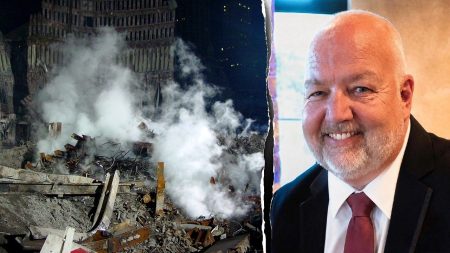
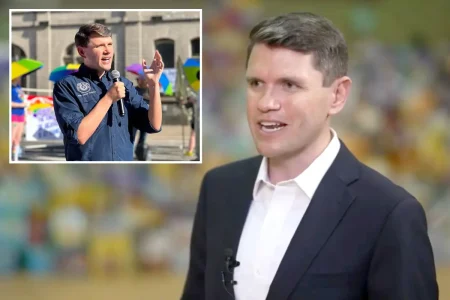
Against this backdrop of domestic upheaval, the international arena presents an equally fragile landscape, where global security frameworks are undergoing rapid, systemic transformations. In Europe, the looming threat of geopolitical aggression has prompted NATO allies to take decisive steps toward military self-defense, with another European nation officially joining the organization’s collective nuclear umbrella initiative. This strategic move highlights a continent-wide realization that reliance on traditional diplomatic agreements is no longer sufficient, prompting a massive push to bolster regional deterrence capabilities. This global realignment is closely monitored back home, where foreign policy experts are debating the future of American leadership on the world stage. Former National Security and diplomatic figures, such as NATO Ambassador Matthew Whitaker, have argued that Donald Trump holds a uniquely strong hand regarding future negotiations with adversaries like Iran, suggesting that a return to a more transactional, deterrence-based foreign policy could reshape Middle Eastern dynamics. Yet, even as strategic alliances shift across the globe, the federal government is facing critical tests of its authority and competence on home soil. The FBI’s next investigative maneuvers in the long-running Nancy Guthrie case could finally expose key suspects and bring closure to a mystery that has haunted observers for years. This persistent quest for domestic justice is echoed by the somber news out of New Mexico, where search teams finally recovered the remains of a missing scientist, providing a tragic end to an agonizing search. These events, combined with the deeply personal grief of families like Joe Abraham, who lost his daughter and subsequently dedicated his life to exposing the root causes of the southern border crisis, serve as a stark reminder that international balance-of-power struggles are inextricably linked to the physical security and peace of mind of ordinary Americans at home.
The tangible consequences of these national policy failures and cultural shifts are perhaps most visible in the massive demographic patterns reshaping the physical geography of the United States. A historic migration is underway as hundreds of thousands of residents flee progressive states like California, driven out by high taxes, stagnant economies, and deteriorating public services. Data reveals that this mass exodus is directly driving up home prices and renting costs in the red-leaning, economically vibrant states where these migrants are settling, creating a complex mix of economic prosperity and localized resentment over the loss of affordable housing. Texas, in particular, has become the primary beneficiary of this internal migration, boasting the fastest-growing city in America as its southern boomtowns undergo unprecedented physical and economic growth. However, this explosive growth brings its own set of administrative and public safety challenges, as local governments scramble to expand infrastructure and maintain order. The friction between progressive governance and effective law enforcement was recently demonstrated when New Jersey Representative Mikie Sherrill deployed specialized riot-gear units to restore order, a decision that notably came only after independent investigative reports highlighted a severely bare-bones police presence. This pattern of reactive, rather than proactive, governance has left many citizens feeling vulnerable and isolated, watching as the physical character of their home cities changes overnight while their leaders seem more focused on political optics than the basic duty of protecting public spaces and fostering stable economic growth for long-term residents.
As Americans navigate these sweeping cultural, economic, and political shifts, they are also forced to reckon with the practical anxieties and lighter distractions of everyday life. Public health officials are urging vigilance as emergency departments across the country report a massive surge in visits related to severe tick bites, signaling a potentially perilous summer outdoor season and forcing families to balance their desire for nature with strict preventative health measures. To escape these heavy realities, many turn to the world of sports, though even this realm is currently roiled by controversy following the Los Angeles Rams’ blockbuster trade for superstar defender Myles Garrett. This high-profile acquisition has ignited a fierce national conversation regarding the emerging era of “Superteams” in professional sports, with passionate fans and sports analysts raising serious alarms about the erosion of competitive parity and the potential rise of intentional tanking strategies that threaten the traditional integrity of the game. Yet, amidst these debates, symbols of national unity and shared anticipation still manage to shine through. The United States Mint recently unveiled three beautifully crafted commemorative coins celebrating the upcoming 2026 FIFA World Cup, offering a tangible point of excitement for sports enthusiasts looking forward to a global celebration on American soil. Furthermore, lighthearted activities like popular national culture quizzes on history, travel, and lifestyle continue to provide a brief, welcome respite from the daily grind. Together, these experiences paint a fascinating portrait of a nation in transition—a society deeply divided on critical issues of governance, security, and culture, yet united by a resilient, distinctly human desire to find connection, security, and joy amidst a rapidly changing world.