





The Balancing Act of Global Markets
In the ever-trembling world of international finance, where every twitch of a news headline can sway billions in fortunes, Tuesday dawned with a familiar tension. Oil prices nudged upward, inching closer to heights that make consumers wince at the pump, while global stock markets began a slow simmer toward cooler temperatures. Investors, those high-roller prophets of prosperity and doom, found themselves caught in a limbo dance between wild optimism and soul-crushing despair. It wasn’t just numbers on a screen; it was the collective heartbeat of a planet glued to screens, whispering prayers for stability. Picture the average Joe, checking his retirement portfolio over morning coffee, or the savvy trader in a bustling office tower, both wondering if today’s dip means tomorrow’s disaster. This wavering reflected deeper currents—geopolitical dramas unfolding halfway across the world, where words from leaders could ignite or extinguish flames of hope. In a time when wars seem endless and negotiations hit walls, these markets mirror our human fragility, reminding us that even the sturdiest economies are built on fragile sands. As traders paced with furrowed brows, the air thick with uncertainty, one couldn’t help but feel the pulse of shared anxiety, a universal sigh echoing from boardrooms to kitchen tables. Economies, after all, are not cold machines but living systems woven from human dreams, fears, and daily struggles. This Tuesday’s equivocation wasn’t isolated; it flowed from a river of global unease, where optimism clung like a lifeline, while despair lurked just beneath the surface, ready to capsize boats of ambition. Investors recounted tales of past recoveries, yet today’s headline—about stalled talks between superpowers—felt like a fresh storm brewing on the horizon. Perhaps in this moment, humanity’s resilience shone through, as markets breathed, adjusted, and hoped against the odds.
Amid the financial fjords, the spotlight turned to the fraught peace talks between the United States and Iran, a saga that has gripped the world for months like an unfinished novel. Negotiations, once a beacon for peace, now languished in stalemate, leaving diplomats, leaders, and ordinary folks alike on edge. In the corridors of power, talks meant different things: for Iranian families clinging to hopes of normalcy, a breakthrough promised reopened borders and eased sanctions; for US officials, it was about securing leverage in a broader chess game. But as days turned to weeks, optimism began to fray, replaced by gnawing despair that whispered of prolonged conflict. Investors, distanced yet intimately connected through markets, volleyed between bets on armistice and wagers on war—their screens becoming crystal balls of geopolitical fallout. This wasn’t mere policy; it was a human drama of egos, histories, and unyielding grudges, where every rejected proposal felt like a personal slight. Stories circulated of families divided by borders, traders who had bet big on peace, and analysts poring over maps of influence, their lives interwoven with the threads of international intrigue. The human element deepened the stakes, as fear of escalation painted futures in shades of red, reminding us that behind the headlines are lives yearning for resolution. Yet, in this wavering, there lay a spark of anticipation, a collective yearning for the day’s that could turn the tide. Diplomats grappled through sleepless nights, driven by visions of a calmer world, while investors adjusted portfolios, their faith tested by the specter of unpredictability. It was a testament to our shared vulnerability, how a single thread of dialogue could uplift or unravel the tapestry of global stability.
Zooming in on the American perspective, President Trump’s words on Monday cut like a sharp retort in a heated debate, declaring the cease-fire with Iran “on massive life support.” This wasn’t a casual comment; it was a presidential pronouncement that reverberated through markets and households, embodying the sharp edges of leadership in turbulent times. Having rejected the latest Iranian offer— one aimed at concluding hostilities and restoring free passage through strategically vital waterways—the president painted a picture of fragility that left listeners breathless. For everyday Americans, this meant more than policy; it evoked memories of past conflicts, economic booms and busts tied to war drums, and the personal toll of uncertainty. Traders recalled how such statements had previously sent ripples through commodities, their gamble now heightened by Trump’s unyielding stance. The rejection carried weight, not just diplomatically but emotionally, stirring debates at dinner tables about leadership and consequences. Imagine the young veteran recounting tales of Middle Eastern fronts, or the businessman worrying over supply chain disruptions—each person’s life mirrored in this global standoff. Trump’s declaration humanized the stakes, transforming abstract talks into relatable narratives of resilience or recklessness, depending on one’s viewpoint. It was a moment that underscored the humanity behind power, where a leader’s words could inspire hope or ignite fear, influencing millions in real, tangible ways. As consumers scanned headlines for clues, the air bore a palpable tension, blending admiration for boldness with trepidation over escalation. In this space, leadership became a mirror for societal values, displaying how individual choices ripple outward, shaping destinies in an interconnected world.
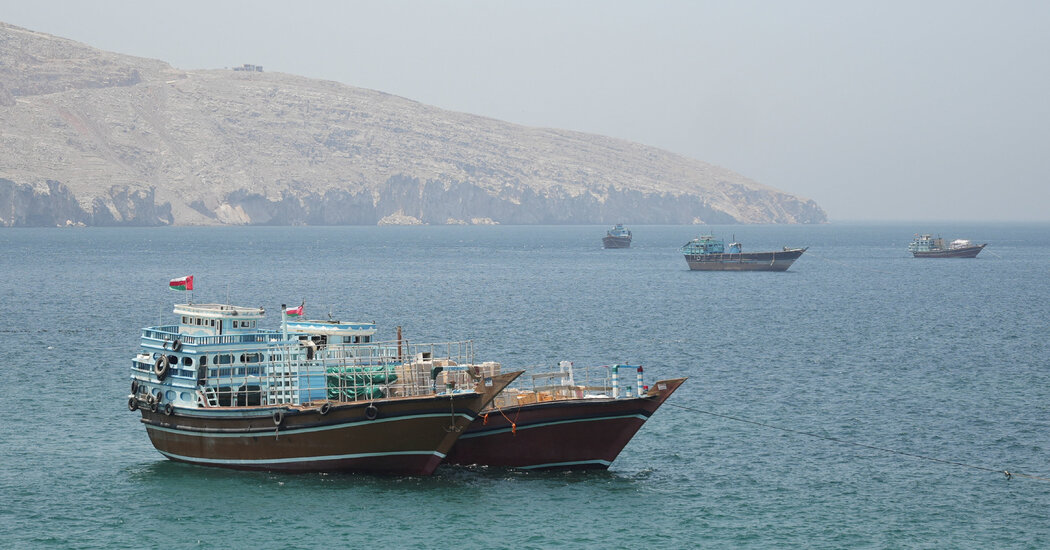
At the heart of these negotiations lay the Strait of Hormuz, that narrow, lifeblood waterway cradling one of Earth’s most pivotal chokepoints for global trade. Through its bustling lanes, nearly a fifth of the world’s crude oil flows daily from cargo ships that dwarf the horizon, powering industries, heating homes, and fueling ambitions across continents. Iran’s offer to reopen it symbolized more than logistics; it was a plea for cooperation, promising smoother tides for economies dependent on uninterrupted supply. Yet, rejection meant potential bottlenecks, where skirmishes could halt the flow, sending shockwaves through prices and provoking chaos in a world already teetering. For the people involved—sailors navigating treacherous waters, engineers maintaining rigs, or families reliant on stable energy—each disruption carried stories of hardship, from delayed deliveries to soaring costs. Humanizing this, one envisions the tanker captain battling storms of geopolitics, his livelihood tied to the whims of distant leaders, or the consumer in a distant land feeling the pinch. The strait, often romanticized in maps, became a stage for human drama, where global interdependence shone brightly against the backdrop of conflict. Farmers in farm-to-table chains worried over fuel hikes, while commuters stressed about commuting costs—each ripple a testament to our interconnected fates. This vital artery wasn’t just geography; it was the pulse of progress, its closure a scare that awakened empathy for the unseen workers laboring in the shadows of giants. In rejecting the offer, powers held a mirror to societies, revealing how choices echo far beyond borders, affecting the fabric of daily life. The humanity emerged in tales of perseverance, as communities adapted, innovated, and hoped for clearer skies ahead.
Shifting focus to the domestic economic front, Tuesday brought sobering news as US inflation data revealed a sharp ascent in April, marking its fastest rise since the trying days of May 2023. This spike, spurred by relentless energy price surges inflamed by wartime pressures, hit consumers where it hurts most—at the wallet. For the average household, gas, heating, and everyday expenses became pricier vices, turning routine budgets into tightropes. Imagine the single parent juggling bills after a weekend fill-up, or the retiree watching savings evaporate like steam. This wasn’t just statistics; it was a lived reality of tightening belts, skipped meals, or delayed dreams, painting a vivid picture of how geopolitical tempests rain down on personal shores. Analysts dissected the numbers, their narratives weaving tales of economic warfare’s human cost, where families mapped out sacrifices amidst rising tides. The war’s shadow loomed large, amplifying costs in a vicious cycle that strangled purchasing power and dampened spirits. Yet, in this hardship, resilience bloomed—stories of communities rallying, innovations sparked by necessity, and the quiet determination of those weathering storms. Inflation’s bite humanized the bigger picture, transforming abstract policies into concrete struggles, fostering bonds through shared plight. It was a reminder that economies are ecosystems of human endeavor, where the ripple effects of distant conflicts manifest in grocery lists and gas gauges. As consumers calculated costs, a deeper empathy emerged, bridging gaps between headlines and heartstrings.
Ultimately, the intertwined threads of market cools, diplomatic deadlocks, strait sensitivities, and inflationary ills wove a mosaic of global uncertainty that Tuesday encapsulated. Investors, straddling optimism and despair, mirrored a world populace poised on the brink, their fates linked by invisible cords of commerce and conflict. Consumers, paying premiums at pumps and shelves, felt the sting of wars fought afar, yet clung to hope for resolution. This narrative wasn’t cold finance; it was the heartbeat of humanity navigating chaos, adapting with grace, and dreaming of stability. Leaders’ decisions resonated through soundbites and silos, while everyday people adapted—trading tips, conserving energies, innovating solutions. In humanizing these events, we see not isolated headlines but a shared journey, urging empathy in the face of adversity. From the trader’s gamble to the family’s feast, each element painted a portrait of interconnected struggles and triumphs, where despair could spur dialogue, and optimism fuel progress. As days unfolded, the hope persisted that calm could return, markets recover, and lives thrive anew— a testament to our enduring spirit.