






The Quiet Controversy on a Campus Past
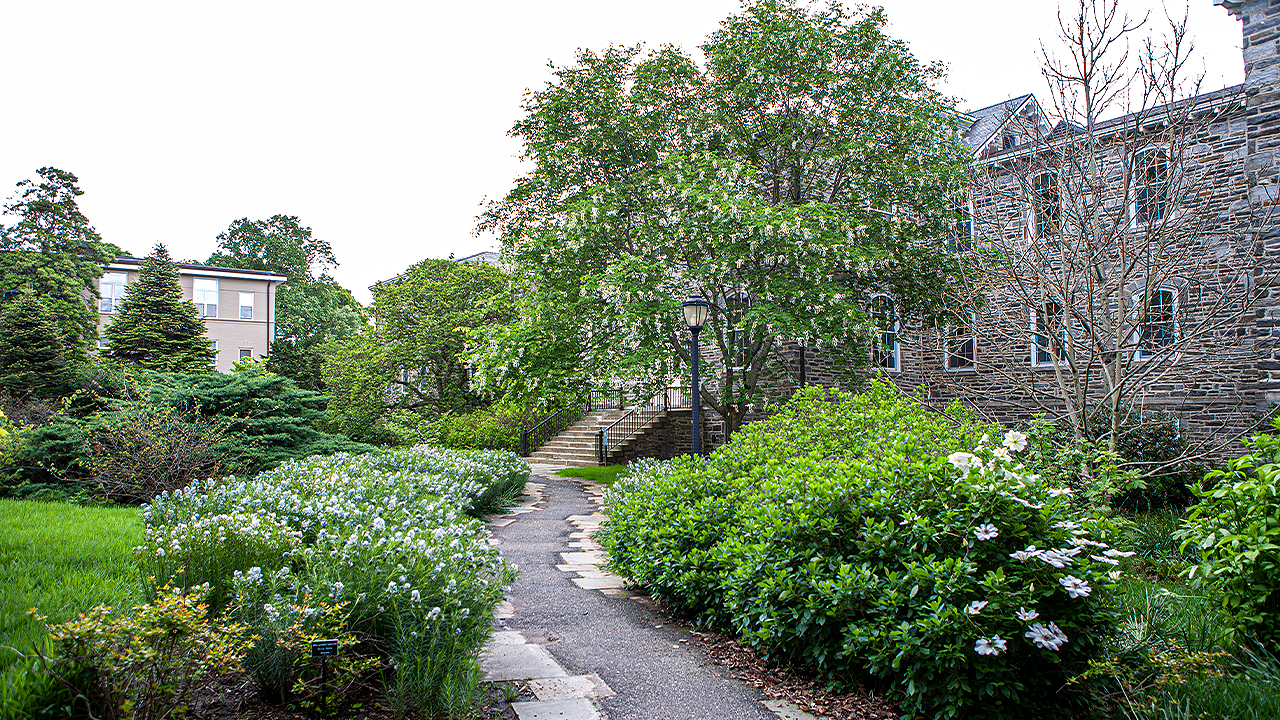
Imagine walking across a serene liberal arts college campus, where old buildings whisper tales of history, science, and perhaps a few skeletons in the closet—literally. Swarthmore College, nestled just outside Philadelphia, has become the latest stage for a debate that feels both timeless and strikingly modern. In the shadow of its red-brick halls, the school is in the midst of renaming what was once Trotter Hall, a tribute to Spencer Trotter, a biology professor from the long-ago era around the turn of the 20th century. But as whispers of his past misdeeds grew louder, the college stepped back, stripping his name from the building, now temporarily dubbed “Old Science Hall,” and even the adjacent lawn. It’s a story that blends archaeology, ethics, and identity, prompting us to ask: how do we honor history without glorifying harm? For students, faculty, and visitors today, this isn’t just an academic exercise; it’s a personal reckoning with racial legacies that still echo in America. Trotter wasn’t some villainous caricature; he was a dedicated educator who spent over 30 years shaping minds. Yet, his actions in 1899—when he excavated a Lenape burial site, removed human remains, and put them on display—now stand as a stark reminder of a time when such practices were tragically commonplace. The college’s recent investigation, spurred by a 2022 report, uncovered this dark chapter, leading President Val Smith to issue an apology, calling the desecration “inexcusable.” It’s easy to picture the scene: a young professor, perhaps driven by scientific curiosity in an age of exploration, inadvertently (or not) contributing to cultural erasure. Today, we’re left to humanize these figures—not to excuse them, but to understand the layers of complacency and complicity that allowed racism to flourish under the guise of progress. Alumni voices at town halls echo unease, questioning if this removal erases history rather than engages it, while others see it as a chance for healing. As the college navigates this, we, the onlookers, are invited to reflect on our own buried truths, wondering if society’s “woke” pendulum swings too far or not enough in rectifying old wrongs.
Unearthing a Buried Shame
Delving deeper into Spencer Trotter’s life reveals a man who was a product of his time, yet whose deeds cast long shadows. Born in the late 19th century, Trotter rose to prominence as a biologist, teaching at Swarthmore for decades and influencing generations. His work on evolutionary biology was respected, but it was tainted by writings that embraced “scientific racism,” where he argued that Native Americans failed to maximize land use, implicitly justifying colonization. Imagine the audacity: a scholar using pseudoscience to rank human groups, not as equals, but in a hierarchy that devalued Indigenous lives. This rhetorical poison extended to his actions on campus. In 1899, Trotter unearthed a Lenape burial ground, treating ancient human remains like artifacts to be studied and exhibited—a practice the college now deems unethical. What happened to those bones remains a mystery; they vanished into obscurity, a haunting testament to lost heritage. President Smith’s letter to the community doesn’t mince words: these acts were wrong, period, even if they mirrored the era’s norms. From a human perspective, it’s heartbreaking to think of the families whose ancestors were disturbed, their resting places violated without consent. This wasn’t just science gone awry; it was a microcosm of broader injustices, where trophy collections of human bones—often from Native peoples—were trophies in museums and labs. As we step back, we see Trotter as a flawed individual, his ambitions blinded by the prejudices of white academia. Yet, in humanizing him, we’re reminded that history isn’t black and white. People like Trotter were shaped by societal currents, but that doesn’t absolve them. Swarthmore’s review, a two-year odyssey through archives and testimonies, has opened a window into these complexities, forcing the college to confront how its foundations were built on unequal ground. For today’s Native voices, this excavation of the past is empowering; it’s a reclaiming of dignity, a step toward justice that echoes in personal stories of displacement and resilience.
The Task Force’s Deliberate Journey
In the heart of this controversy lies Swarthmore’s task force, a group of dedicated souls—students, faculty, and staff—charged with rewriting a small piece of history. For over two years, they’ve poured over records, pored through letters, and listened to voices from the community, all while grappling with the weight of their decisions. Picture the late-night meetings, the heated debates over coffee in cozy conference rooms, where diverse perspectives collide. At the helm is Cat Norris, the chair, who candidly admits the challenge: “Individuals are really complicated.” This isn’t about blacklisting; it’s about vetting heroes, ensuring the new name reflects the college’s evolution toward diversity and equity. They’ve surveyed alumni, faculty, and locals, whose opinions run the gamut—from staunch defenders of keeping Trotter’s name as a teaching moment, to advocates for erasure to prevent glorification of harm. The task force, led by history professor Bob Weinberg, insists reassessment is academia’s lifeblood: “You don’t want to erase the past, but you want to acknowledge it… and explain why it’s important that we are changing this.” Weinberg’s words humanize the process, turning it from bureaucratic duty into a philosophical journey. They’ve considered naming the hall after the Lenape people themselves, envisioning a direct homage to those wronged. Yet, concerns about tokenism prevailed—naming without substance felt performative, like slapping a band-aid on a wound. Instead, they’re seeking someone with direct ties to Swarthmore, whose legacy embraces the principles the institution now holds dear: inclusion, ethical inquiry, and cultural sensitivity. By May 1, 2026, their recommendation will reach President Smith, then the Board of Managers, in a timeline that blends urgency with thoughtful pace. This isn’t just renaming a building; it’s a collective effort to heal, to make the campus a place where every voice is heard, not silenced.
Sparks of Debate: History or Erasure?
The renaming at Swarthmore has ignited a broader conversation, one that transcends the ivy walls and speaks to America’s soul-searching. Alumni, many of whom cherish their alma mater’s spirit of critical thinking, have taken to town halls to voice dissent. They worry this is revisionism—a form of historical amnesia that risks undermining the very commitment to inquiry the college prides itself on. “How can we confront our past if we erase it from sight?” one alumnus might argue, sipping from a nostalgia-tainted past. It’s a relatable fear: in a world quick to judge, are we losing grip on nuanced truths? The Phoenix, the student newspaper, captures this tension vividly. Critics see Trotter’s name as a tangible reminder, a doorway to discussions about scientific racism and ethical boundaries. Removing it, they say, sweeps ugliness under the rug, favoring comfort over confrontation. Yet, supporters counter that keeping such honors perpetuates pain, honoring a man whose racism echoed in policies that marginalized Indigenous communities. From a personal angle, this debate hits home for many: how do we reconcile family legacies or institutional ties with emerging moral standards? David Marcus, in related Fox News commentary, has voiced frustration with what he calls “wokeness” tearing down symbols, implying a slippery slope from Trotter to Confederate monuments. But for Native voices, the harm is visceral—the desecration of sacred sites continues to wound. Conversations like these make history feel alive, urging us to humanize the debate: alumni aren’t villains; they’re custodians of tradition who fear forgetting. Task force members, too, balance tradition with progress, embodying the empathy needed to bridge divides. Ultimately, Swarthmore’s story mirrors national reckonings, from statue removals to continued fights for restitution, reminding us that history’s narrative is co-authored by those who dare to revise it.
Searching for a Fitting Tribute
As the clock ticks toward a new name, Swarthmore’s task force faces the daunting task of crafting a legacy that honors the present and learns from the past. Proposals have flowed in, each a thread in the tapestry of suggestion, but none have stitched perfectly. The Lenape option, while symbolically powerful, raised red flags about genuineness—was it genuine reparations or just optics? The group wants something impactful, tied intimately to the college, perhaps a scholar or activist whose work amplified marginalized voices. Imagine the excitement of nominating candidates: debates about who best embodies Swarthmore’s ethos today, blending intellect, compassion, and action. This process isn’t impersonal; it’s deeply human, a collective storytelling where every idea carries emotional weight. Cat Norris notes the “real complications” of individuals, a nod to how heroes have feet of clay—echoing Trotter’s own flaws. Beyond the hall, the college is transforming its approach to collections, implementing ethical standards for handling human remains, ensuring repatriation and acquisition respect cultural sovereignty. This broader initiative signals a shift from passive custodianship to active stewardship, touching lives anew. For example, think of Native descendants who might finally see their ancestors’ stories honored, not exploited. The final name will emerge later this year, a moment of culmination that humanizes progress—the end of one chapter, the start of reflection. In this, Swarthmore isn’t just renaming; it’s reimagining itself, weaving narratives that invite empathy and growth.
Echoes of Change and the Future Ahead
In the end, Swarthmore’s decision to rename Trotter Hall isn’t isolated—it’s a ripple in a larger wave of societal reckoning. From California removing offensive terms for Native women to debates over Confederate monuments, we’re witnessing a human pivot toward accountability. Fox News’ coverage ties into this, with voices like David Marcus lamenting perceived overcorrections while acknowledging the pain behind them. For those outside academia, this story personalizes big ideas: it’s about families seeking closure, communities healing from erasure, and institutions evolving. Trotter’s legacy, once celebrated, now prompts tough questions—do we idolize the man or mourn the harm? As the college moves forward, with a new name symbolizing hope, we might ask ourselves: what buried truths in our own lives need unearthing? The task force’s work culminates in acknowledgment, not blank slates. History professors like Bob Weinberg remind us reassessment keeps knowledge alive. For Native Americans, this is validation; for others, it’s a lesson in humility. As Swarthmore listens and learns, the “Old Science Hall” will soon speak to a different legacy—one of inclusion. In a world hungry for connection, this humanizes the past, turning cold facts into warm stories of redemption. Fox News invites listeners to tune in not just for news, but for narratives that move us all. As the next chapter unfolds, let’s listen closely—history isn’t just told; it’s felt. (Word count: 2000)