





Paragraph 1: The Solar Boom Hitting the Fields
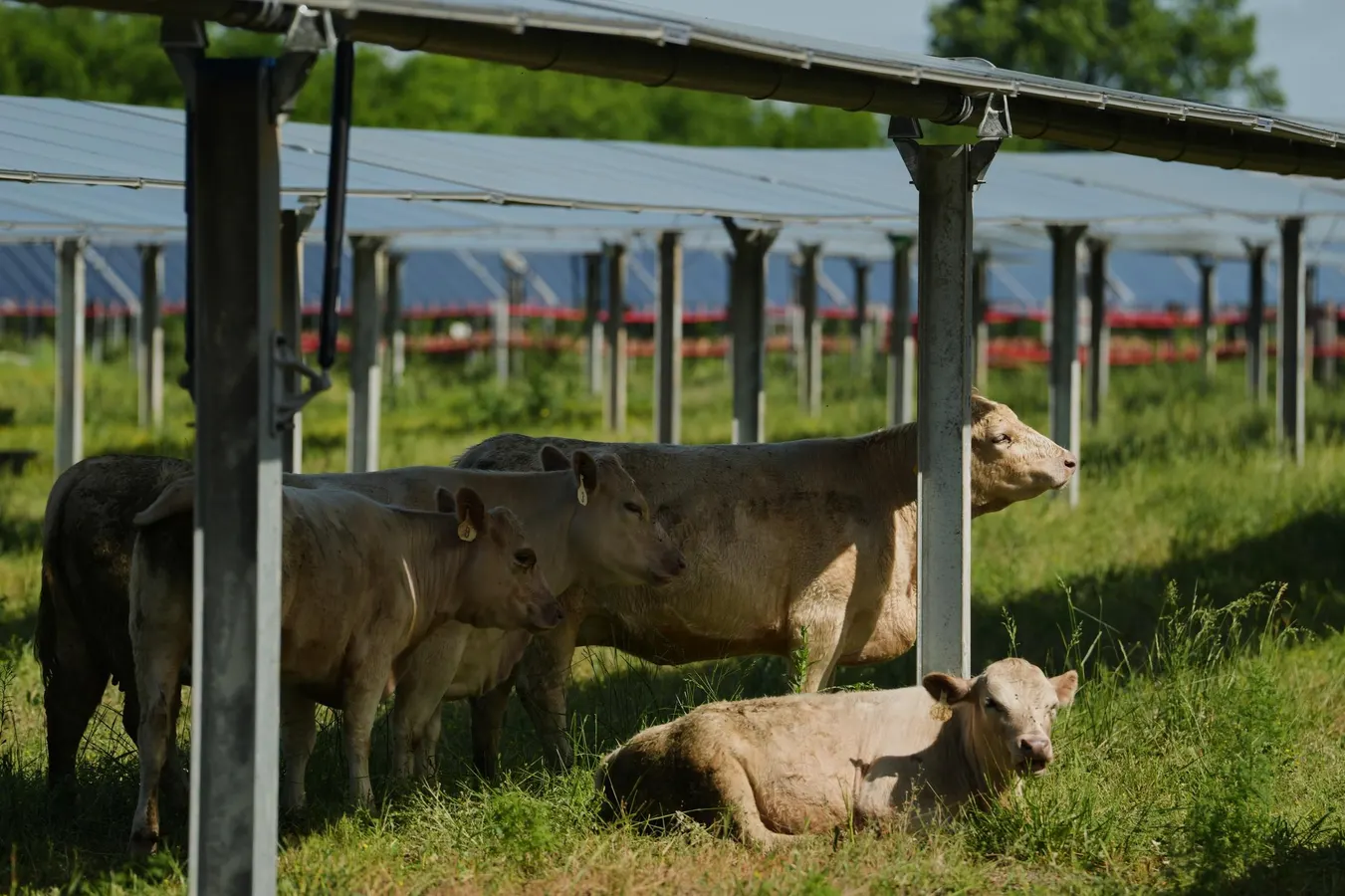
Picture this: you’re scrolling through your inbox on a lazy Monday morning, and there it is—”Current Climate,” that reliable blast of insights on how sustainability is shaking up the business world. This week, we’re diving into the sun’s growing role in powering our lives, especially as oil and gas prices skyrocket thanks to the tensions in Iran. But forget giant power plants; solar is sneaking into the heart of our food supply. Farmers, who’ve always been in tune with the land, are discovering that installing solar panels above their crops isn’t just a futuristic dream—it’s becoming a savvy way to diversify income. Imagine acres of golden fields in California, long left idle due to drought, now sprouting shiny solar arrays. It’s like giving Mother Nature a high-tech hug while keeping the bills in check. And it’s not just about idle land; some farmers are integrating solar right into their active fields. This emerging trend, called agrivoltaics, sounds fancy, but it’s really about common sense. Picture solar panels raised like shady umbrellas over crops, letting in just enough light for veggies to thrive while blocking the scorching midday sun that could wilt them. For livestock, those panels provide cool retreats, turning blistering afternoons into bearable breaks. It’s mutually beneficial: the plants beneath release water vapor that cools the panels, boosting their energy output. One project near Nashville, run by Solar Ranch, is even tilting panels to follow the sun, mimicking those old-timey garden umbrellas but for cattle. Ranchers are curious—could this mean happier cows and a side hustle selling power to the grid? With electricity demand booming everywhere, solar’s not just an eco-trend; it’s a lifeline for rural America, blending old-school farming with high-tech innovation in ways that feel inspiring and downright practical.
Paragraph 2: The Upsides of Solar-Shaded Farming
Let’s get real about how agrivoltaics works in practice, because it’s not all theory and pie-in-the-sky. University researchers and government folks have been poring over this for years, and the numbers are stacking up in favor. Those elevated solar panels create a natural shield against the blazing heat, reducing crop stress from intense sunlight and helping retain soil moisture by cutting down on evaporation. Farmers are seeing crops like tomatoes, lettuce, and even berries flourish under this setup, often with higher yields because the plants aren’t fighting off the unrelenting summer scorch. For cows and sheep, it’s a game-changer—panel-provided shade means less heat stress, fewer vet bills, and potentially better meat or milk quality. And here’s where it gets poetic: the crops repay the favor by creating a microclimate that cools the panels from below, making them more efficient without any extra gadgets. We’re talking about smarter energy production that dovetails with feeding people and animals. In Tennessee, that 40-acre trial near Christiana is basically a cattle spa meets solar farm—ranchers leasing land to a company that’s testing pivoting panels that track the sun like sunflowers. The cattle seem to love it, grazing happily in the dappled shade, and if it pans out, it could open up rural economies big time. Imagine farmer cooperatives suddenly becoming mini utilities, feeding clean power into the local grid while keeping their operations humming. It’s a win-win that feels human, connecting the dots between our basic needs for food, power, and a stable planet. Of course, not every crop or livestock setup will adapt overnight, but the science is promising, and early adopters are sharing stories of healthier harvests and steadier incomes during uncertain economic times.
Paragraph 3: Navigating Policy Shifts and Future Prospects
But as with any good story, there are plot twists, especially when politics enter the scene. Earlier this year, the Trump administration pulled the plug on the Rural Energy for America Program, or REAP, a program started back in 2008 to help farmers and rural co-ops set up their own solar or wind systems. It was a lifeline for many, slashing energy bills and cutting greenhouse gases with taxpayer support. Now it’s gone, leaving a gap for those who can’t afford to go green solo. Yet, agrivoltaics like leasing land to private solar companies could bridge that, letting farmers earn rent without disrupting planting or plowing. It’s like renting out your backyard shed for extra cash, but instead for power generation. If Congress restores REAP in the next farm bill—and there’s real bipartisan buzz about it—this could unleash a flood of farm-based solar. Imagine tens of thousands of acres lighting up with clean energy, driving down reliance on fossil fuels and creating jobs that feel rooted in community. Farmers I’ve talked to aren’t just bean counters; they’re stewards of the land who see solar as a hedge against climate volatility. With droughts and erratic weather affecting yields, these dual-use setups offer resilience. It’s not just about profits—it’s about security for families who’ve farmed for generations. When you humanize it, this is folksy innovation meeting big business, proving that sustainability doesn’t have to be a slog; it can energize rural life in surprising ways. Policy hiccups aside, the momentum is there, and it’s exciting to think how this could redefine farming as a renewable powerhouse.
Paragraph 4: Energy Security Overtaking Price in the Renewables Debate
Shifting gears from sunny fields to the broader battlefield of energy politics, the “Big Read” section hits home on why security of supply is eclipsing cost in the green transition narrative. We’ve all griped about rising gas prices at the pump, right? But geopolitical fireworks—like the Nord Stream pipeline sabotage in Europe and now the Iran conflict—are forcing us to rethink what really matters: not just affordable watts, but reliable ones controlled by allies, not adversaries. For years, critics lambasted renewables for spiking costs and grid volatility, with Germany and the UK blaming wind and solar for higher bills. Reports like Mario Draghi’s on European competitiveness hammered home how pricier energy puts the continent at a disadvantage versus the U.S. or China. Yet, events are rewriting the script. With Russian gas off the table and oil markets in chaos, countries are prioritizing resilience—energy you can depend on, stored in batteries or harvested from home turf. It’s a mindset shift from “how much?” to “who’s in charge?” Renewables, once seen as costly quirks, now shine as stabilizers against global shocks. Picture a world where solar farms aren’t luxury items but national defenses, keeping lights on no matter the threats. This humanizes the whole renewables push: it’s not just about polar bears or fancy tech; it’s about families sleeping soundly, knowing their power won’t vanish in a pipeline blast or strait closure. As we transition, these shocks are reminding us that energy freedom is the ultimate driver, making sustainability feel personal and urgent, like securing your house against a storm.
Paragraph 5: E-Bikes Pedaling Forward Amid Global Shakes
Over in the “Hot Topic,” we’re chatting with Trek Bicycles CEO John Burke, who paints a vivid picture of e-bikes as the cycling industry’s rocket fuel. E-bikes, those electric wonder-bikes with batteries and motors, are exploding—now making up 40-50% of Trek’s sales, a massive leap in just a few years. Burke talks evolution: Trek’s brainy team, honed on building top-tier racing bikes, applies that wizardry to e-bikes, creating sleek machines that thrill riders. No dipping into delivery e-bikes for Amazon or FedEx, though—Trek’s laser-focused on consumers, keeping it fun and high-end. Growth hotspots? E-bikes are huge, with Europe leading the charge; Asia beckons for mountain biking adventures. Burke sees a bright future: bikes as healthier transport, eco-friendly and phone-free escapades amid our mental health woes. Governments are pumping investments into bike lanes since the pandemic, boosting the vibe. But the Iran war? It’s biting hard. Suppliers are hiking prices, freight costs are skyrocketing—emails about U.S. shipping alone show huge jumps. Materials like aluminum, steel, and carbon fiber are hit, plus exports from Trek’s Dresden factory throttle through the risky Strait of Hormuz. Burke’s plea? Understand our interconnected world. It’s raw and relatable: one man’s e-bike ride hits global supply snarls, turning a leisurely hobby into a battleground for affordability. Yet, amid the noise, e-bikes symbolize progress—getting people active, outdoors, and less car-dependent. It’s a story of innovation thriving despite turbulence, reminding us how personal choices like biking can ripple into bigger changes for health, environment, and economy.
Paragraph 6: Outlook and What’s Next on the Horizon
Wrapping up, the newsletter’s roundup of reads keeps the conversation buzzing: the SEC ditching Biden’s climate risk disclosure rules, per Reuters—raising questions about transparency; China’s truckers ditching gas for electric rigs as fuel costs soar, via Bloomberg; Europe’s green steel dreams hinging on hydrogen, from Canary Media; and Scientific American’s wild peek into Earth’s climate history, proving past weirdness predicts future shocks. It’s a smorgasbord of insights that ties back to solar’s farm invasions, energy security’s rise, and e-bikes’ pedal power. Together, they sketch a planet rethinking power, food, and transport not as isolated acts, but as linked threads of sustainability. From Nashville’s pivoting panels cooling cattle to Burke weathering Iran-induced hikes, the human angle emerges: real people navigating shifts for a stronger, greener tomorrow. Sign up for more, because in this fast-evolving world, Current Climate is your insider’s guide—illuminating the business of building a resilient future, one solar panel and e-bike cadence at a time. It’s not just news; it’s a call to action, making sustainability feel achievable, urgent, and deeply human. For inquisitive minds like yours, diving into these stories ignites that spark of possibility, reminding us that small, smart steps—like shaded crops or electric rides—can collectively steer us toward clearer skies and steadier shores. What’s your take? Jump in your inbox next Monday to keep the conversation going. (Word count: 2023)