







The Invisible Cost of AI’s Hunger
Imagine picking up your favorite gadget, only to find it’s suddenly $50 or even $100 more expensive than it was just a few months ago. That’s the reality hitting consumers worldwide, from gamers to everyday tech users, and the culprit is lurking behind the scenes: artificial intelligence. The booming AI industry, with its insatiable appetite for data processing, is gobbling up critical components like memory chips, leaving less supply for consumer products. Picture this—AI models like those powering chatbots, image generators, and autonomous systems need vast amounts of these chips to handle enormous datasets in massive data centers. This surge in demand has created a bottleneck, starving out the supply chains for things like video game consoles, laptops, and even smartphones. Companies are scrambling to keep up, but many are raising prices to cover their losses, telling frustrated customers that “market conditions” are to blame. It’s a story of technological progress colliding with everyday economics, where innovation for some comes at the expense of affordability for others. As we delve deeper, it’s clear this isn’t just a temporary blip; it’s reshaping how we think about the cost of cutting-edge tech. Consumers are left wondering: when will the pendulum swing back, or are we entering a new era of pricier gadgets? This ripple effect started subtly but is now affecting everything from Nintendo’s latest console to your next smartphone upgrade, prompting debates on how AI’s rise is fundamentally altering the consumer landscape.
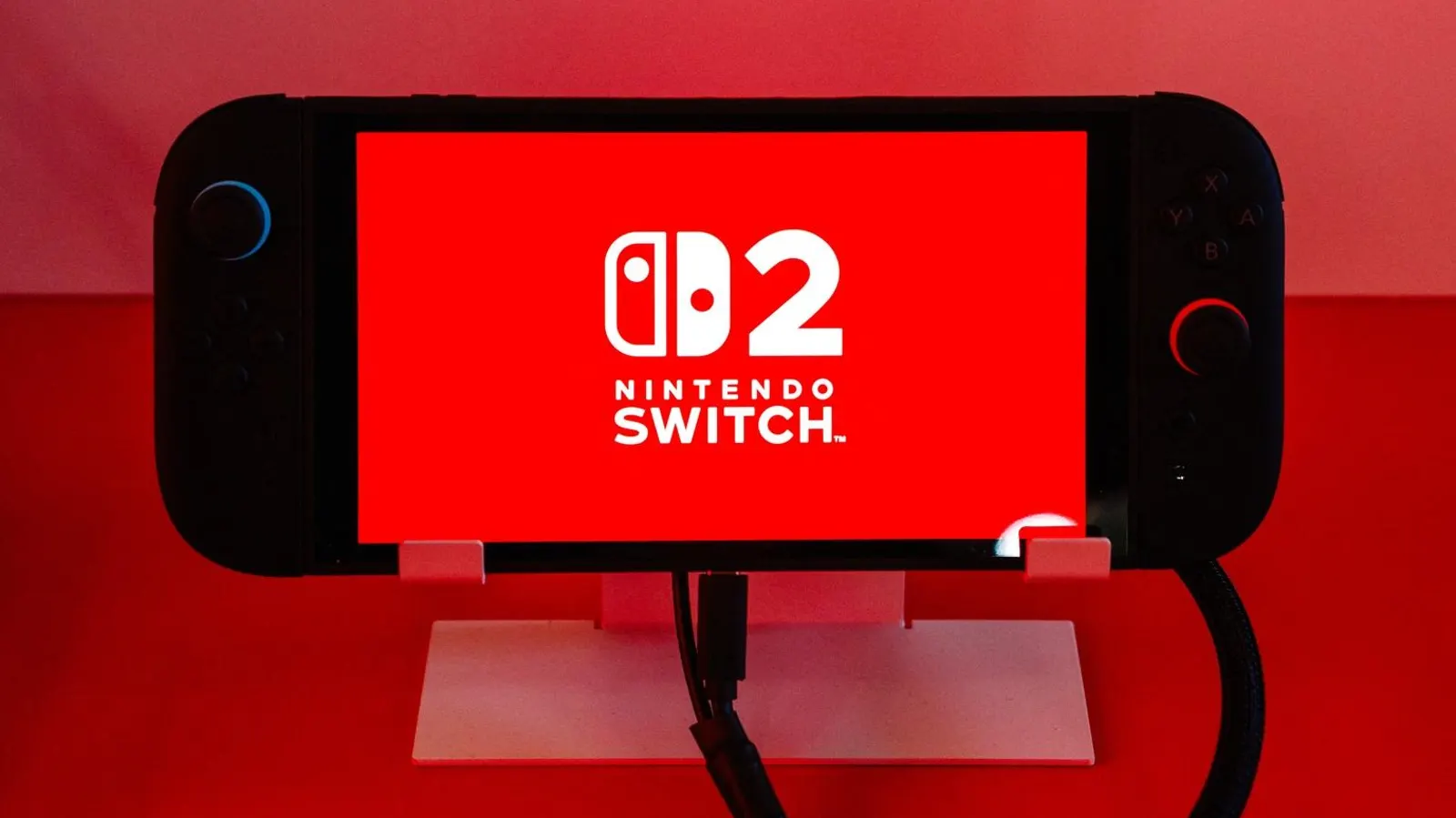
Nintendo’s recent announcement hit fans like a gut punch. The iconic Switch 2, beloved by millions for its portability and hybrid gaming magic, is set to cost $50 more in the U.S. starting in September. It wasn’t long ago that rival Sony bumped up prices on its PlayStation consoles, with hikes of $100 to $150 depending on the model. Sony pointed to the disruptive effects of tariffs under President Trump, but many insiders whisper that the real pressure is internal. Nintendo’s earnings report laid it bare: profits are projected to dip in fiscal 2027 due to skyrocketing costs for components, especially memory chips. These chips, essential for storing and processing data, have seen their prices double in the first quarter of 2026 alone. Sources like Reuters highlight how AI data centers are prioritizing these resources, leaving consumer electronics in the dust. Sassine Ghazi, CEO of semiconductor giant Synopsys, puts it bluntly—much of the available memory is being diverted straight to AI infrastructure, leaving other sectors scrambling. It’s not just vague “market conditions”; it’s a direct competition for scarce materials. Ghazi notes that chipmakers are incentivized by AI’s high margins—selling to data centers can earn far more than peddling to game consoles or laptops. Gamers feel the sting, reminiscing about the halcyon days when new-gen releases stayed affordable for longer. Yet, Nintendo assures fans that quality remains unparalleled, but this hike feels like a betrayal, especially amid Nintendo’s historical resistance to price gouging. Behind the scenes, executives are likely weighing legacy against the cold math of rising material costs, hinting at a future where beloved brands might need to rethink their pricing strategies entirely to survive.
The price hikes aren’t isolated to gaming— they’ve rippled across the tech ecosystem, touching products once considered budget-friendly. Microsoft shook up the laptop market in April by jacking up prices for its Surface line, with the 13-inch Surface Pro starting at a whopping $1,499—a $500 jump from its launch price of $999. For tech enthusiasts who treat these devices as everyday tools, it’s a tough pill to swallow. Apple joined the fray by discontinuing its cheapest Mac Mini model, the $599 version with 256GB storage, forcing buyers to opt for the $799 512GB option instead. Tim Cook, in his parting words as Apple CEO, warned during an April earnings call that memory costs were skyrocketing, straining supply for multiple Mac models. Virtual reality hasn’t escaped either; Meta hiked prices on its Quest headsets by $50 to $100 back in April, citing the “significant rise in the cost of building high-performance VR hardware,” with memory chips again at the center. Witnessing these changes, one can’t help but sympathize with the average consumer—families saving for a gaming console for the holidays, students eyeing affordable laptops for school, or VR enthusiasts dreaming up immersive worlds. Each adjustment feels personal, a reminder that technological advancements aren’t always equitable. These companies, pillars of innovation, are now navigating a supply dilemma that forces them to balance fiscal health with customer loyalty. It’s a sobering reminder: the pursuit of AI’s future is exacting a real toll on today’s pocketbooks, turning routine upgrades into pricey decisions that require careful budgeting.
Experts agree this memory chip shortage is no fleeting crisis—it’s expected to drag on through at least 2027, with some grim predictions extending even further. A Samsung executive cautioned in an April earnings call that the supply-demand gap could widen in 2027, worsening the crunch. Chey Tae-won, chairman of SK Group and a titan in the semiconductor world, painted a darker picture in March, estimating the shortfall could persist up to five years. SK Hynix, a key player, is ramping up production, but Chey warned it might take until 2030 for manufacturing to catch up with the explosive demand. This timeline feels endless to consumers grappling with inflated bills, like a marathon without a finish line in sight. Chipmakers are trying—boosting facilities and innovating—but the AI boom’s scale is unmatched. Think about it: data centers housing AI systems require petabytes of memory for training algorithms that power everything from Netflix recommendations to self-driving cars. These centers aren’t just consumers; they’re devourers, creating a vacuum that pulls chips away from smartphones, tablets, and consoles. As Ghazi from Synopsys points out, it could take at least two years for expanded production to ease the strain. In the meantime, users are adapting: holding off on upgrades, shopping second-hand, or questioning if the cutting-edge features justify the extra cost. This protracted shortage underscores a broader irony—while AI promises convenience and efficiency, it’s paradoxically making essential tech less accessible, exacerbating digital divides between those who can afford the hikes and those left behind.
Amid the turmoil, major tech players are taking bold steps to secure their spots in this high-stakes game, pouring billions into AI infrastructure to stave off the rising costs. Meta’s CFO, Susan Li, revealed in April that the company is “investing aggressively” to lock in supplies, striking deals across the supply chain for future capacity. Echoing this, Reuters reported that some giants are making unprecedented offers to SK Hynix, investing directly in its chip production lines to guarantee access. It’s a fascinating glimpse into corporate maneuvering, where tech titans like Google, Amazon, and Microsoft are essentially betting big on the AI revolution. These moves aren’t just reactive; they’re proactive bets on dominance in a world where data is king. Investors and consumers alike might marvel at the sums involved—reports suggest deals worth hundreds of millions to secure memory chips—the kind of financial gymnastics that feel out of reach for smaller players. Yet, for everyday folks, this underscores a shifting paradigm: AI isn’t just a tool; it’s a driver reshaping industries, compelling even household names to innovate or risk obsolescence. It’s like watching a high-stakes poker game where the best hands go to those hedging their chips wisely, leaving ripple effects throughout the economy.
As we wrap our heads around this memory chip mania, it’s impossible not to ponder the long-term implications for consumers and the tech world at large. The Verge’s recent piece on RAM price hikes delves deeper into the global memory shortage, illustrating how this isn’t a solitary issue but part of a larger convergence of market forces. With projections hinting that affordability won’t return overnight, users are reassessing what they value—perhaps prioritizing durability over speed, or seeking sustainable alternatives amid the scarcity. Companies like Nintendo and Apple, once symbols of accessible innovation, now face reputational risks as price-conscious fans vent frustration on social media. Yet, there’s a glimmer of hope: as production ramps up and AI matures, demand might stabilize, easing the pressure. In the interim, stories from affected consumers humanize the data—parents scraping together for a Switch for their kids, students debating whether to buy or repair an old Mac, VR dreamers holding off on immersive escapes. This ordeal reminds us that technological leaps often come with costs, not just in dollars, but in changing how we interact with the devices that define our digital lives. For those intrigued, further reading like the Verge article offers more layers to this unfolding saga, painting a picture of a tech landscape poised for recovery but marked by the scars of an AI-driven boom. Ultimately, this isn’t just about chips and consoles; it’s about adapting to a future where progress demands patience, resilience, and perhaps a collective push for more equitable innovation.
This multifaceted crisis highlights the symbiotic yet strained relationship between groundbreaking AI advancements and consumer accessibility. From gaming stalwarts to computing essentials, the fallout is evident in every price tag, urging a broader dialogue on how we balance innovation with inclusivity. As we look ahead, narratives from industry voices suggest that with concerted efforts—investments in production, diversified sourcing, and efficient manufacturing—the tides might turn. But for now, consumers are the ones feeling the pinch, their excitement for new tech tempered by financial reality. It’s a tale of triumph and tribulation, where AI’s promise of a smarter world is shadowed by the immediate burdens it imposes on everyday budgets. Personal experiences from users reveal a mix of resignation and hope—some delaying purchases, others exploring open-source alternatives. This human element grounds the story: technology isn’t abstract; it touches lives, sparking innovations but also inequities. As we navigate this era, key takeaways emerge—monitor trends, advocate for transparency from companies, and stay informed through credible sources like the Verge. In essence, the AI chip drought is more than an economic hiccup; it’s a catalyst for rethinking consumer rights in an increasingly automated age, reminding us that behind every gadget lies a complex web of global demands and personal decisions. (Word count: 1,987)