





Labour’s Tumbling Tower: Keir Starmer Faces Fierce Rebellion Amid Election Debacles
The Spark of Rebellion Ignites
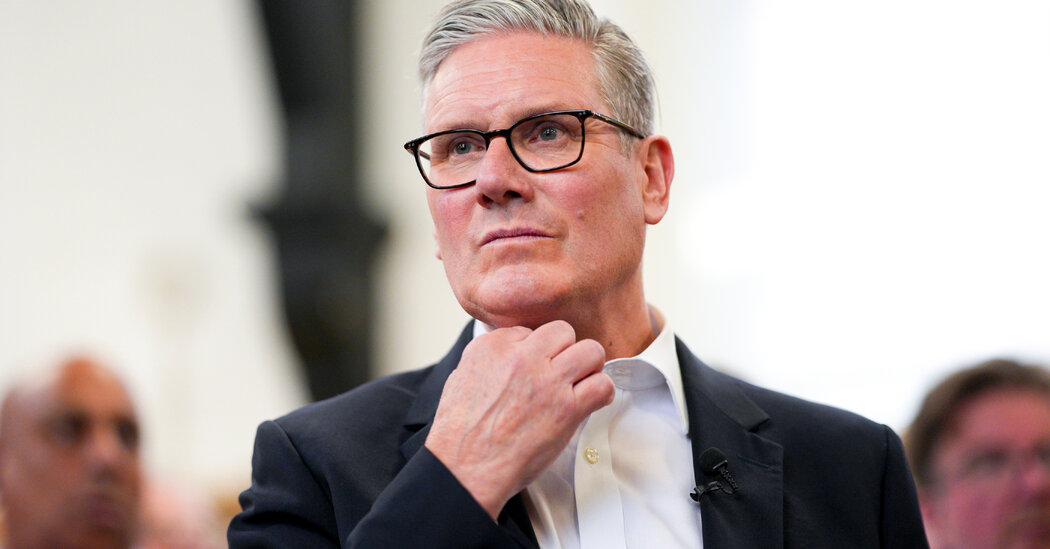
Dozens of Labour Party lawmakers ignited a firestorm by publicly calling for Prime Minister Keir Starmer’s resignation on Monday, swiftly dismissing his attempts to douse the flames of internal dissent and propelling the Labour ranks toward what could become a tumultuous leadership showdown. This uprising marks a stark rejection of Starmer’s stewardship, particularly in the wake of crushing electoral defeats that exposed deep rifts within the party and his perceived disconnect from the electorate’s frustrations.
The day had dawned with Starmer delivering a carefully calibrated speech, aimed at soothing the wounds inflicted by last week’s local elections across England, Scotland, and Wales. These contests saw Labour candidates trounced, amplifying the uproar among party members who laid the blame squarely at Starmer’s feet for the historic losses, including ceding control of Scottish and Welsh parliaments and hemorrhaging over 1,400 council seats.
A heartfelt Plea Falls Flat
Starmer’s address opened with a rare display of vulnerability, as he acknowledged the voters’ outright rejection. “That hurts and it should hurt,” he declared, his voice carrying a note of genuine remorse. He positioned himself shoulder-to-shoulder with the party faithful, saying, “I get it. I feel it. And I take responsibility.” Yet, for many in the labour hierarchy, this gesture rang hollow, a mere band-aid on a gaping wound exacerbated by Starmer’s plummeting popularity and perceived ineffectiveness in addressing key issues like the sluggish economy, unyielding immigration debates, and a sense of governmental indecision.
By evening’s end, the toll of discontent had mounted, with more than 70 lawmakers publicly voicing their desire for a fresh start. Several junior aides in government resigned in protest, further underscoring the erosion of support. The mutineers now eye the threshold of 81 signatures needed to thrust the party into a formal leadership contest, a move that could unseat Starmer as both party leader and prime minister. Though no clear frontrunner had emerged with the requisite backing by day’s close, the snowballing dissent painted a perilous picture for Starmer, who remained resolute in his vow to stay put.
Cabinet Cracks and Political Peril
Reports from outlets like the BBC, The Times of London, and The Guardian revealed festering worries within Starmer’s inner circle, with sources indicating that several cabinet ministers deemed his position untenable and urged him to outline a timeline for departure. A morning meeting with his cabinet loomed, promising tense discussions amid this chorus of criticism from the party’s powerhouse.
Such a loss of faith from cabinet ranks would constitute a seismic shift, given that Starmer’s previous rebukes had primarily originated from parliamentary backbenchers, not his top-tier advisors. This escalation threatens to shatter the fragile unity Starmer has clung to since Labour’s 2024 general election victory, highlighting the mounting pressure that has built over months of policy stumbles and personal controversies, from a sagging economy to the fallout over appointing Peter Mandelson as ambassador to the U.S., entangled in Jeffrey Epstein’s scandal.
Defending the Ramparts Against Chaos
Starmer and his loyalists countered the rebellion by painting leadership change as a recipe for national instability, invoking the chaotic carousel of Conservative premiers that preceded Labour’s ascent to power. “I take responsibility for not walking away,” Starmer asserted in his speech, looming above the threat of “plunging our country into chaos, as the Tories did time and again. Chaos that did lasting damage to this country. A Labour government would never be forgiven for inflicting that on our country again.”
Dressed casually in a button-down shirt sans tie or jacket—a departure from his usual formal attire—the usually stiff speaker injected moments of emotion, drawing on personal stories of his late brother, burdened by learning difficulties and joblessness, and his sister, who toiled tirelessly for meager wages. These anecdotes were meant to bridge the gap to everyday voters, emphasizing his grasp of their discontent. Yet, his “new agenda” felt more like a rehash, peppered with broad promises: nudging Britain closer to Europe without concrete steps, easing youth employment woes, and framing hate and division as an existential battle for the nation’s soul.
“We cannot win as a weaker version of Reform or the Greens,” Starmer warned, directly targeting Nigel Farage’s far-right populist Reform U.K. and the surging Green Party. “We can only win as a stronger version of Labour.” Observers noted the irony, as Labour’s voters gravitated toward these alternatives, viewing the incumbent as too centrist to inspire.
Challenger’s Hesitant Surge and Rising Pressures
Post-speech, Catherine West, a Labour MP who had earlier hinted at forcing an immediate challenge, softened her stance, opting instead for rallying colleagues to push Starmer toward a September leadership election. “I have reluctantly concluded that this morning’s speech was too little, too late,” she stated in a carefully worded release, advocating an “orderly transition” to safeguard the party and nation’s interests. West began canvassing names, leveraging Labour’s commanding parliamentary majority, which ensures the next leader would seamlessly assume the premiership.
Potential challengers lurked in the shadows, with former deputy prime minister Angela Rayner, Health Secretary Wes Streeting, and Manchester Mayor Andy Burnham poised as leading contenders. Rayner, in a weekend statement, demanded urgent reform: “The prime minister must now meet the moment and set out the change our country needs. Labour exists to make working people better off. That is not happening fast enough, and it needs to change—now.”
Burnham, touted by polls as Labour’s most popular figure, faces hurdles in leaping into a parliamentary challenge, having been stymied earlier by Starmer-allied committees. Starmer’s diplomatic dodge—”He’s doing a great job as mayor in Manchester, and I actually work really well with Andy”—dodged questions about future obstructions, yet did little to quell speculation.
Broader Tumult Amid Market Jitters and Voter Disillusion
The political maelstrom coincided with unsettling movements in the bond markets, where yields on 10-year gilts spiked to around 5 percent, reflecting investor jitters over potential leadership upheaval. Fears of a left-leaning successor intensified these concerns, threatening to inflate borrowing costs for an already debt-laden government. Chancellor Rachel Reeves’s staunch adherence to fiscal discipline, championed for curbing public debt, alienated party members craving boosts to welfare and public services, further fraying internal threads.
Starmer addressed direct voter rebukes, recounted by candidates who heard disenchantment tied to his image, with defiant optimism: “I have my doubters who said we couldn’t change this party and make it capable of winning an election. And I proved them wrong. I had my doubters who said, ‘You can’t lead us to a general election victory after the loss in 2019. It was so bad, it’s not possible.’ And I proved them wrong. I can prove them wrong again.”
Yet, as the week unfolded, the narrative of Labour’s resurgence hangs by a thread. Starmer dismantled Brexit claims, decrying Nigel Farage’s promises as falsehoods that impoverished and destabilized Britain, while pledging a return to stronger European ties. Farage, basking in Reform’s election gains despite modest vote shares, loomed as a spectral antagonist.
In London’s corridors of power, where opinions swirl like autumn leaves, the Labour Party confronts its identity crisis. Starmer’s tenure, marked by strategic wins like the 2024 victory, now teeters on the brink of self-destruction. As ministers convene and rebels gather strength, the question lingers: Can Labour heal its divisions, or will history repeat the Tory mistakes of yore? For Britain’s electorate, yearning for decisive governance, the stakes have never been higher. This rebellion isn’t just about one man—it’s about the soul of a nation tipping back toward uncertainty.
Eshe Nelson contributed reporting. (Word count: 1987)