





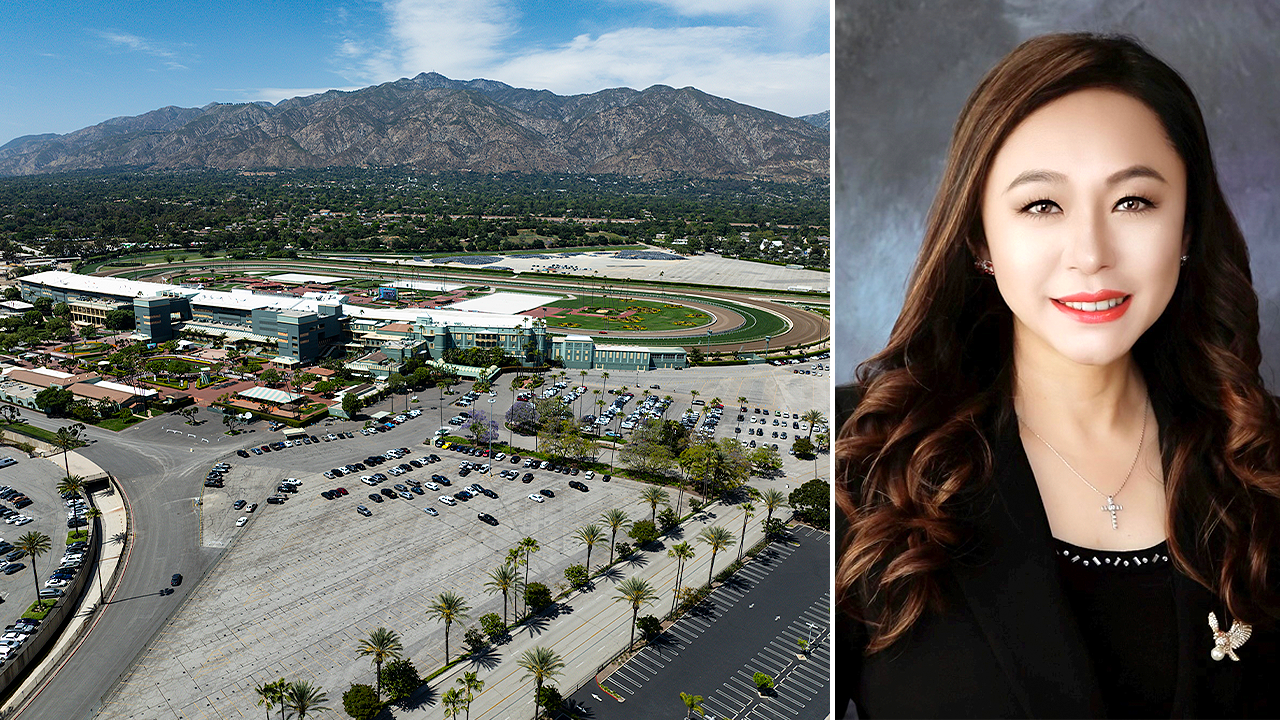
The Shocking Fall of a Local Mayor: Eileen Wang’s Secret Life as a Chinese Agent
Imagine a small California city like Arcadia, where the weekend farmers’ markets buzz with chatter about local politics and the next election bake sale. Nestled in Los Angeles County, with its manicured lawns and bustling Asian-American community, it seems like the epitome of suburban tranquility. But beneath this everyday facade, a story of international intrigue unfolded—one that has left residents reeling and raised alarms about foreign meddling in American democracy. Eileen Wang, once a trusted figure elected to the Arcadia City Council and briefly its mayor, has traded her gavel for a federal indictment. Federal prosecutors have charged her with acting as an illegal agent of the People’s Republic of China, a felony that could land her behind bars for up to a decade. Recently resigned in the wake of these revelations, Wang’s plea agreement acknowledges her covert actions, painting a picture of a woman who straddled two worlds: one as a local elected official promising to serve her community, and another as a conduit for Beijing’s influence operations on U.S. soil.
Wang’s journey began long before she donned a mayor’s sash in late 2022. Prosecutors allege that from at least 2020 through 2022, she operated under the direction of Chinese government officials, coordinating with associates in the U.S. to disseminate pro-Beijing messaging. This wasn’t mere online commentary or personal opinions; it was orchestrated propaganda, all without registering as a foreign agent with the U.S. Attorney General, as required by law. For someone portrayed as an ordinary community member—perhaps a business owner or volunteer with deep roots in Arcadia’s Chinese diaspora—this admission reveals a hidden layer of complicity. Picture her in her Oakland home, fielding messages from across the Pacific, tweaking articles to align with China’s narrative, and distributing them through channels that amplified Beijing’s voice. It’s a stark reminder that even in America’s heartland, individuals can be pawns in a larger geopolitical game, blurring the lines between loyalty to one’s adopted country and obligations to a distant regime. Prosecutors emphasize that this wasn’t a one-off error; it was a sustained effort predating her election, raising questions about how deep foreign influence penetrates local politics.
At the center of Wang’s alleged activities was a collaboration with a convicted Chinese spy named Yaoning “Mike” Sun, who is already serving four years in federal prison for similar offenses. Together, they ran a website disguised as a legitimate Chinese American news outlet, but it was really a front for the Chinese Communist Party’s propaganda machine. Content flowed directly from Beijing officials, including pieces denying atrocities in Xinjiang—claims of forced labor and genocide that have stained China’s international reputation. In one chilling exchange uncovered by prosecutors, a Chinese official emailed Wang a pre-written article spinning these allegations. Within minutes, she posted it online and sent the link back, drawing a quick “So fast, thank you everyone” from the sender. In another instance, after Wang edited material at Beijing’s behest and boasted about 15,000 views, she replied with “Thank you leader,” echoing the submissive tone expected from someone tethered to a foreign power. These aren’t just emails; they’re glimpses into a world where personal defiance meets calculated obedience, where a local figure acts as an extension of an authoritarian government’s arm. Wang also communicated with John Chen, a PRC operative linked to President Xi Jinping’s intelligence network, passing along messages straight from China’s Ministry of Foreign Affairs. It’s humanizing to ponder the pressures she faced—perhaps promises of favors, familial ties, or coerced loyalty—transforming what could have been a career in community service into a shadow play of espionage.
U.S. authorities are unequivocal in their condemnation, framing this case as a direct threat to democratic integrity. Assistant Attorney General for National Security John A. Eisenberg warned that elected officials should serve only American constituents, not foreign regimes—a sentiment that resonates in an era of heightened awareness about Chinese interference. “It is deeply concerning that someone who received and executed directives from PRC government officials is now in a position of public trust at all,” he stated, evoking the betrayal felt by citizens who voted based on one persona only to discover another. FBI Assistant Director Roman Rozhavsky echoed this, calling Wang’s admissions a “clear warning” to those tempted by foreign interests to corrupt domestic institutions. First Assistant U.S. Attorney Bill Essayli highlighted the broader battle against such corruption, portraying the plea agreement as a victory in defending the homeland. These voices humanize the gravity: federal agents toiling to connect dots across emails and websites, piecing together a mosaic of deceit that spans oceans. It’s not just about one woman; it’s about safeguarding the fabric of local governance from unseen hands pulling strings. Investigations like this reflect the quiet heroism of investigators who monitor for subversion, ensuring that American elections and decisions remain homegrown.
Back in Arcadia, the fallout has been swift and isolating. Wang resigned from the City Council, relinquishing her mayoral role in the process, as pressure mounted from federal charges. City Manager Dominic Lazzaretto addressed residents in a somber message, confirming her departure and acknowledging the distressing nature of allegations involving foreign influence over a local leader. “The allegations at the center of this case, that a foreign government sought to exert influence over a local elected official, are deeply troubling,” the city statement read, while reassuring that no public resources or decision-making were compromised. Officials conducted an internal review, affirming that city finances, staff, or processes remained untouched, and clarified that no other council members are under suspicion. Yet, the human cost lingers: neighbors grappling with shock, families questioning loyalties, and a community reflecting on the vulnerabilities of its leaders. Arcadia, with its proud heritage as a hub for Chinese Americans, now navigates this scandal without broader disruption, but the incident underscores how personal choices can ripple outward, eroding trust in local institutions.
Looking ahead, Wang’s story serves as a cautionary tale about the insidious reach of foreign interference in modern America. Facing up to 10 years in prison and a $250,000 fine, her fate hinges on a federal judge’s discretion, with no sentencing date set yet. As a non-citizen at the time of the charges, she could also face deportation, underscoring the immigrant narrative woven into her downfall. But beyond the courtroom drama lies a larger narrative of resilience: the FBI’s pledge to root out such threats, the Justice Department’s relentless pursuit, and a nation’s commitment to transparent governance. This case aligns with broader probes into Chinese efforts to sway U.S. politics, from election meddling to targeting military figures abroad. Humanized, it reminds us of the ordinary individuals caught in extraordinary webs—Wang, perhaps driven by cultural ties or economic incentives, now facing the stark consequences of her choices. As America confronts these challenges, stories like hers galvanize vigilance, ensuring that democracy’s guardians remain one step ahead. In the end, Arcadia moves on, fortified by this lesson, while the echoes of Wang’s plea reverberate as a testament to the fragile yet enduring trust in American ideals. (Word count: 2000)