






Trump’s Renewed Interest in Fort Knox: A Deep Dive into Presidential Speculation
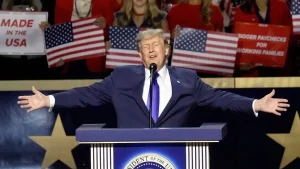
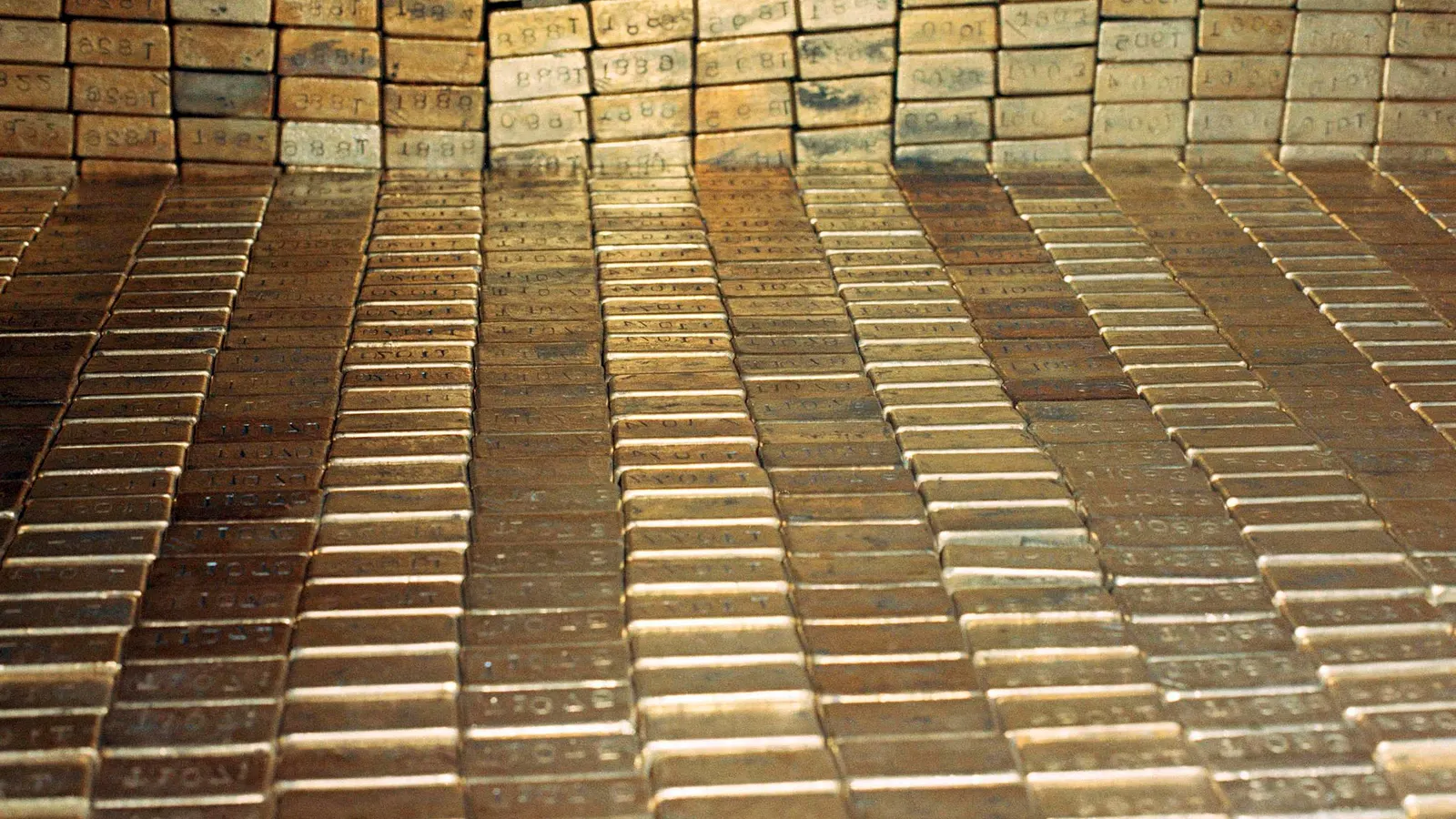
President Donald Trump has always had a knack for stirring up intrigue with his offhand remarks, and his recent comments about the U.S. gold reserves at Fort Knox are no exception. On a Sunday that felt like just another day in the chaotic whirlwind of his second term, Trump casually brought up the idea of auditing or even inspecting the nation’s vast gold holdings tucked away in a heavily guarded military facility in Kentucky. It wasn’t the first time he’d voiced such thoughts; during his initial year in office four years ago, this became a minor fixation, fueled in part by allies and critics alike. He mentioned how he “played with” the idea of an audit, painting a picture of himself as the ever-curious leader knocking on Fort Knox’s door, much like a homeowner checking the locks on a rainy night. But beneath the playful tone lurked a hint of skepticism—Trump speculated aloud, “I wonder if they left the gold in Fort Knox because they steal a lot,” leaving listeners to puzzle over who “they” might be. Estimated at a staggering 147.3 million fine troy ounces, these reserves are valued at around $42.22 per ounce, representing a cornerstone of America’s economic security. When reporters dug deeper, asking if there was genuine need for such an examination, Trump shrugged it off with a mix of bemusement and resolve: “Well, I don’t know, I do want to go to Fort Knox some time. I want to see if the gold is there, which I’m sure it will be.” This adds a layer of personal intrigue, as Trump often frames himself as the ultimate truth-seeker, unafraid to question the status quo. It’s unclear if he has concrete plans to visit the fort near Louisville, Kentucky, and the White House’s silence on the matter only amplifies the speculation. For many Americans, this echoes broader feelings of distrust in institutions, especially after years of economic turmoil and conspiracy-laden online chatter. Trump’s words might seem whimsical, but they tap into a long-standing fascination with what lies behind closed doors, much like urban legends about hidden treasures or lost artifacts. Psychologically, it humanizes the president—a man who, despite his immense power, admits to harboring doubts about something as tangible as gold in a vault. Critics might see it as baseless stoking of fear, while supporters appreciate his willingness to probe into conspiracies that have simmered for decades. This isn’t just political theater; it’s a reminder that even leaders are prone to childhood-like wonder about “what if” scenarios. In the grand scheme, Fort Knox audits are routine, conducted annually by the Treasury Department, ensuring transparency. Yet Trump’s personal yearning to “see for himself” adds a folksy charm, making high-stakes economic policy feel accessible and relatable. It’s the kind of statement that sparks dinner table debates: is the gold really there, or is this just another way to rally his base? Ultimately, it reflects Trump’s style—bold, unpredictable, and never shy about turning a molehill into a mountain, for better or worse.
The Musk Influence and Initial Push for Scrutiny
Diving deeper into the backstory, Trump’s latest musings on Fort Knox aren’t sprouting from thin air; they’re rooted in the enthusiastic backing he receivedEarly in his first term, from none other than Elon Musk, then-head of the Department of Government Efficiency. Musk, with his signature flair for disruption, championed the idea of a thorough audit, even floating the wild proposition of live-streaming a walkthrough of the facility to quell doubts. It was during this time, in February, that Trump first publicly entertained the notion, telling reporters, “We’re actually going to Fort Knox to see if the gold is there. Because maybe somebody stole the gold. Tons of gold.” This was no isolated outburst—it aligned with Musk’s broader mission to streamline government, which often included poking holes in perceived inefficiencies or cover-ups. Musk’s department was in full swing then, targeting waste and overseeing vast swaths of bureaucracy, and Fort Knox became a symbolic battleground for transparency advocates. The idea resonated with those skeptical of hidden agendas, echoing conspiracy theories that have circulated since the 1970s, alleging everything from melted-down bars to secret sales for financial gain. Trump admitted he “played with” the audit idea, a casual phrase that humanizes him as someone brainstorming aloud, much like swapping stories over coffee with friends. This collaboration with Musk added a layer of tech-bro celebrity, turning a bureaucratic proposal into viral fodder. Libertarian voices in Congress jumped on board, lending credence and amplifying the calls. Figures like Senator Rand Paul from Kentucky, Representative Thomas Massie—also from the Bluegrass State—and Senator Mike Lee from Utah echoed the sentiments, with Lee claiming he had “repeatedly” sought access to the base. Their involvement wasn’t just political posturing; it tapped into genuine concerns about government accountability, especially in an era of online misinformation. Massie, for instance, framed it as a commonsense check on taxpayer assets, making the debate feel grounded and pragmatic. Musk’s suggestion of live-streaming added a modern twist, appealing to the camera-phone generation that demands instant proof. In Trump’s circle, Musk’s energy likely fueled these discussions, blending Silicon Valley innovation with Beltway skepticism. It’s a reminder of how alliances form in unexpected places, with Tycoons like Musk influencing presidential whims. For the public, this interplay humanizes the process—Trump isn’t unilaterally obsessed; he’s influenced by advisors and events, much like any decision-maker weighing input. The echoes of those February comments still linger, proving that such ideas don’t die quietly; they resurface, shaped by ongoing narratives of distrust and reform.
Conspiracy Theories and Historical Context
The allure of Fort Knox’s mysteries stretches far beyond Trump’s casual comments, rooted in a tapestry of conspiracy theories that have captivated imaginations for generations. Since at least the 1970s, rumors have swirled about the gold reserves—stories of them being swapped for fake bars, melted down during economic crises, or secretly disbursed to foreign entities hedging bets on America’s decline. These tales gained traction during times of monetary uncertainty, like the end of the gold standard in 1971, when President Nixon decoupled the dollar from gold, leading some to question if the physical metal truly backed the nation’s wealth. Trump’s speculation about “stealing” directly nods to these narratives, painting a picture of shadowy figures carting off untold riches under the cover of night. It’s a human instinct, really—the desire to uncover hidden truths, fueled by blockbuster films like “Raiders of the Lost Ark” or thrillers depicting heists on fictional vaults. In reality, Fort Knox isn’t just a depository; it’s a fortress with layers of security, housing not only gold but also a museum chronicling the nation’s bullion history. The 147.3 million ounces aren’t haphazardly stacked; they’re meticulously inventoried, with origins tracing back to World War II gold seizures and ongoing acquisitions. Yet, conspiracies persist because they offer a thrilling escape from mundane financial discussions, especially online where platforms amplify dubious claims. During Trump’s first term, social media buzzed with theories linking Fort Knox to broader plots, from deep-state cover-ups to economic manipulations. Musk’s promotion of an audit played into this, as he engaged with libertarian circles that thrive on such skepticism. Senator Paul’s support, for example, stems from his ideological leanings toward limited government, while Lee’s claims of seeking access reflect a proactive stance against secrecy. Humanizing this, one can see how these theories resonate with everyday worries—job losses, inflationary pressures, or fading trust in leaders. It’s not just cynicism; it’s a search for certainty in an uncertain world. Trump’s vague accusations underscore how easily these ideas infiltrate mainstream conversation, turning policy debates into tabloid headlines. Ultimately, while the conspiracies add drama, they contrast sharply with the routine audits that affirm the gold’s presence, as emphasized by Treasury officials. This duality captures the essence of public discourse: a blend of fact and fiction, where leaders like Trump can weaponize curiosity for attention or action.
Treasury Department’s Reassurances and Audit Processes
Amid the swirl of speculation, the Treasury Department stands as a bastion of fact-based reassurance, countering Trump’s musings with straightforward evidence. Treasury Secretary Scott Bessent, in a candid Bloomberg interview, addressed the concerns head-on shortly after the initial chatter erupted. “We do an audit every year,” he stated firmly, emphasizing the meticulous nature of these checks. He went further, assuring Americans on camera that a report dated September 30, 2024, confirmed all the gold was intact. “Any U.S. senator who wants to come and visit it, can arrange a visit through our office,” Bessent added, offering an open invitation that humanizes the process as one of accessibility rather than mystery. This isn’t boilerplate bureaucracy; it’s a proactive stance to debunk myths and rebuild confidence. Fort Knox’s audits aren’t cursory—they involve physical inspections, weight checks, and documentation tracing each bar’s purity back to its source. Conducted annually, these procedures ensure that the nation’s gold, valued at billions based on current spot prices, remains a tangible asset backing economic stability. Bessent’s words serve as a counterpoint to Trump’s speculative tone, presenting governance as reliable and transparent. For legislators like Senators Paul, Massie, and Lee, who have pushed for access, this openness provides a pathway without sensationalism. It’s a reminder that democracy thrives on such balances: executive curiosity versus institutional diligence. Humanizing Bessent, he’s the steady hand in the room, much like a family accountant meticulously balancing the books year after year. His unemotional delivery contrasts Trump’s emotive ramblings, highlighting how different personalities navigate the same facts. This audit process isn’t hidden; it’s a cornerstone of fiscal responsibility, publicizing reports that quell doubts. In an age of information overload, Bessent’s assurances offer relief to those fretting over unfounded fears, positioning the Treasury as guardians of truth rather than gatekeepers of secrets. Trump’s desire to “see for himself” is understandable, but the system’s built-in checks make personal pilgrimages largely symbolic. Still, the offer stands, bridging skepticism with substance and fostering a sense of shared ownership over national treasures.
Broader Implications for Trust and Public Perception
Zooming out, Trump’s Fort Knox fixation isn’t just about gold bars; it mirrors deeper societal undercurrents of trust, or the lack thereof, in American institutions. In a polarized era where fake news and deepfakes thrive, leaders like Trump embody the public’s quest for verklempt assurances—proving what’s real amidst digital delusions. His comments humanize this struggle, giving voice to everyday Americans who question authority, from bankers to baristas. When he hints at “stealing,” it’s not arbitrary; it’s an echo of frustrations over economic inequality, where many feel the system favors insiders. Musk’s role amplifies this, blending tech utopianism with government critique, appealing to innovators wary of stagnation. Legislators’ endorsements add bipartisan thrills, with Paul’s Kentucky roots tying personal stakes to national ones. This isn’t isolated—consider how even mundane topics like government audits spark passions, turning policy into personal mission. Psychologically, it taps into confirmation bias, where believers in conspiracies find allies in high places. Yet, it fosters dialogue, prompting transparency pushes that benefit all. Humanizing Trump here, he’s a figure channeling collective doubts, much like a storyteller spinning yarns around a campfire. On the flip side, officials like Bessent represent stability, countering misinformation with data—a necessary antidote. For the public, this debate underscores the importance of critical thinking, discerning fact from fiction. Without audits like those at Fort Knox, trust erodes, leading to chaos. Trump’s words, while speculative, might inspire reforms, ensuring no vault remains beyond scrutiny. Ultimately, it’s a microcosm of America: curiosity entwined with caution, where a president’s whims can galvanize millions toward accountability, enriching democratic discourse for generations.
Looking Ahead: Potential Plans and Lasting Legacy
As we ponder the future, Trump’s interest in Fort Knox raises eyebrows about what might actually transpire. While he hasn’t committed to a visit, his enthusiasm—coupled with historical precedents like that February tease—suggests it’s more than idle chatter. Should he follow through, it could become a rallying point for transparency advocates, uniting Musk’s efficiency ethos with grassroots libertarianism. Senators like Lee, with their repeated requests, stand poised to support such efforts, potentially leading to enhanced protocols. Humanizing this, envision a presidential road trip: helicopters descending on Louisville, the public gazing as the world leader inspects stacks of gleaming metal. It’s cinematic, reminiscent of presidential adventures from Lincoln’s battlefield jaunts to Obama’s globe-trotting diplomacy. But practicality tempers the fantasy—White House logistics demand coordination, and security at Fort Knox, a vital asset, isn’t casually breached. Bessent’s open-door policy provides a framework, yet Trump’s personal touch could transform routine audit into spectacle. Beyond optics, this narrative contributes to his legacy: a president unafraid to question norms, humanizing leadership as inquisitive rather than infallible. For America, it reinforces vigilance, ensuring institutions like the Treasury remain accountable. Conspiracy theories may fade, but the spirit of inquiry endures, shaping policy and perception alike. In the end, whether Trump’s wishes materialize or not, his words ignite conversations that strengthen the fabric of trust, proving that even gold in a vault can spark golden opportunities for reform.