







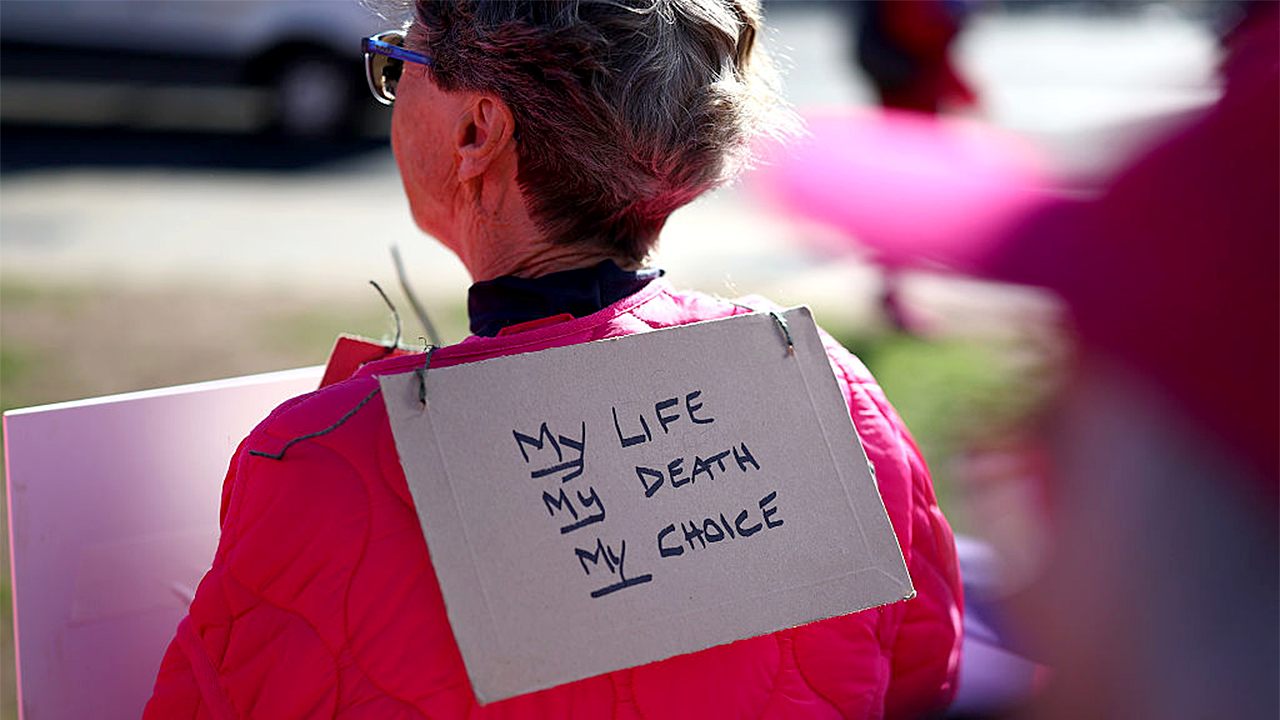
Paragraph 1: The Heart of the Bill – Offering a Painful Choice with Compassion
In the hustle of everyday life, it’s easy to forget that some people face unimaginable pain and suffering at the end of theirs. Imagine a loved one, like a grandmother battling a relentless illness, staring at just months of life filled with agony. Democrats in the Michigan House are proposing a groundbreaking set of bills to introduce what’s called the Death with Dignity Act, a law that would allow certain terminally ill adults to choose a medically assisted end to their suffering. This isn’t about forcing anyone into anything; it’s about giving those with less than six months left a dignified option to request and receive prescription medication to end their own lives peacefully. For many, this feels like a ray of hope in a dark cloud – a chance to control their final moments rather than endure prolonged torment. Advocates see it as an extension of personal freedom, where a competent adult, fully aware of their condition, can make a deeply personal decision. Yet, it’s not taken lightly; the legislation ensures that participants are of sound mind, surrounded by medical and emotional support. Picture a person reflecting on their life, surrounded by family, deciding that quality outweighs quantity. This bill humanizes the dying process by recognizing that every individual deserves autonomy over their body, even in death. By allowing this, Michigan might transform how society views end-of-life care, shifting from a one-size-fits-all approach to one that honors human dignity. Supporters argue that in a world full of advancements in medicine, we shouldn’t deny people the right to a painless exit if science can’t offer a cure. This proposal isn’t born from despair; it’s rooted in empathy, acknowledging that suffering isn’t always noble or necessary. As debates rage on, one thing remains clear: this bill invites us to confront what it means to love and let go. It challenges caregivers, doctors, and families to consider not just prolonging life, but enriching its conclusion. In essence, it puts the power back in the hands of those facing the inevitable, ensuring that their final act is one of self-determination rather than surrender. (334 words)
Paragraph 2: The Safeguards – Steps to Ensure It’s Right for Everyone
Delving deeper, the Michigan bill doesn’t rush anyone to a decision; it’s built with layers of protection to make sure it’s handled with the utmost care. First, patients must clearly and repeatedly express their wish – not just once, but through multiple requests, both in writing and orally, with at least 15 days separating each one. This waiting period isn’t arbitrary; it’s a time to reflect, consult loved ones, and perhaps reconsider. I envision a patient, maybe a cancer-stricken father, discussing it over family dinners, weighing the emotional toll on his spouse and kids. To proceed, two independent doctors must evaluate them, confirming the terminal diagnosis and that they have six months or less to live. They might even require a separate mental health assessment to rule out depression or fleeting regrets. Beyond that, patients are thoroughly informed about alternatives – things like hospice care, palliative services, and advanced pain management – all designed to alleviate suffering without ending life. Crucially, they can change their minds at any point, rescinding the request without consequences, because true consent means it’s always revocable. This isn’t about pressuring vulnerable people; it’s about empowering the truly informed. Think of it as a safety net, ensuring that only those who are steadfast in their choice move forward. The law also addresses integrity directly: anyone who forges a request or tampers with its revocation faces severe penalties, up to 20 years in prison and a hefty fine of $375,000. This safeguard protects the sanctity of the process, preventing misuse and honoring the trust placed in it. For supporters, these steps humanize what could otherwise feel cold and clinical, turning a legal framework into a compassionate pathway. It respects the individual’s journey, acknowledging that grief and fear don’t always vanish overnight. In a society that’s often too quick to judge terminal decisions, this bill encourages open dialogue and patience. By mandating these checks, it ensures that aid-in-dying is seen as a last resort, not a hasty escape, fostering a culture where empathy guides the end of life. (332 words)
Paragraph 3: Protections for Providers and Patients – Balancing Rights and Responsibilities
At the core of this legislation is a commitment to protect everyone involved, recognizing that doctors, pharmacists, and patients have rights that must be upheld without fear. The bill explicitly prohibits direct acts that cause death, such as lethal injections, mercy killing, or active euthanasia – it’s all about self-administration of medication prescribed by a physician. This distinction is key: it empowers the patient but absolves others from the act itself, preserving the ethical boundaries of medicine. Imagine a physician, devoted to healing, who feels conflicted about prescribing such a drug; they have the right to opt out, ensuring no one is compelled against their conscience. Healthcare providers are shielded from any criminal or civil liability as long as they adhere to the law, creating a safe space for conscientious objectors. Patients, too, are protected from discrimination, especially in insurance matters. Insurers can’t deny or limit coverage based on recent aid-in-dying plans, nor can they treat such deaths as “suicide” under policy terms. Life insurance rules are amended so that these choices don’t label someone as self-harming, avoiding financial penalties for families already grappling with loss. This is a profoundly human touch: it prevents economic hardship from compounding emotional grief, allowing people to plan their affairs without fear of repercussions. Think of a widow whose husband chose this path – she shouldn’t lose her home or benefits because of his decision. The state’s health department plays a watchdog role, reviewing cases and publishing annual reports for transparency. They’ll access prescription records to monitor compliance, ensuring the system works as intended without exploitation. This oversight humanizes the process by building trust: it’s not about control, but about collective accountability. For pharmacists and other licensed professionals, there’s immunity from investigation or disciplinary action if they participate legally, promoting a collaborative healthcare environment. In a world where end-of-life care often feels fragmented, this bill unites providers and patients under a banner of mutual respect, honoring personal choices while safeguarding professional integrity. It’s a testament to how laws can foster empathy in life’s most delicate moments. (333 words)
Paragraph 4: Joining a Growing Movement – States and Nations Embracing Change
Michigan’s proposal isn’t an isolated idea; it’s part of a broader wave of recognition that end-of-life decisions should be personal and compassionate. By passing this, the state would align with about a dozen others, including Delaware, New York, and Illinois, which each approved similar laws in 2025 set to take effect this year. Washington, D.C., joins the list, proving that urban and rural areas alike are evolving. Internationally, countries like Canada, Belgium, Switzerland, the Netherlands, Australia, and Colombia have legalized forms of medically assisted dying, showing a global shift toward respecting individual autonomy. Picture a world where borders fade in the face of shared human experiences – a patient in Michigan learning from successes in Ontario, or a family in Detroit drawing inspiration from experiences in Zurich. This isn’t about competing; it’s about collective progress, where cultures adapt to prioritize dignity over dogma. Each jurisdiction tailors the law to its values, but the common thread is empowering the terminally ill with choice. For advocates, this expansion humanizes global conversations about death, turning isolation into solidarity. Families separated by oceans can now discuss options, fostering understanding. The trend reflects changing societal norms: as life expectancy rises, so does the demand for control over its end. It’s a narrative of empathy expanding across maps, where suffering isn’t endured in silence but addressed with options. Michigan stepping in reinforces that this isn’t a fringe movement; it’s a mainstream evolution. By joining these states and nations, the bill invites Americans to reimagine end-of-life care, perhaps inspiring more to follow. It’s a reminder that progress often starts small, in state houses and parliaments, but ripples outward, challenging outdated taboos. In the end, this interconnected effort affirms that every person, regardless of location, deserves compassion in their final chapter, blending local autonomy with international awareness. (332 words)
Paragraph 5: Supporters’ Voices – Empowering Humans in Their Final Moments
From the supporters’ perspective, this legislation is a beacon of hope for those on the brink, offering a humane alternative shrouded in safety. Advocacy groups for medical aid in dying emphasize that it grants mentally capable, terminally ill adults an extra layer of control, allowing them to choose when suffering outweighs living. Picture a patient, exhausted from chemo that prolongs pain without promise, finally opting for peace – it’s not defeat, but victory over a cruel prognosis. The safeguards – multiple requests, physician consultations, waiting periods, and revocable consent – ensure it’s done right, protecting against rushed or uninformed decisions. This framework humanizes the process by centering the person’s story: their joys, regrets, and unfulfilled dreams. Advocates argue that healthcare should include end-of-life options, not just aggressive treatments, respecting autonomy as a fundamental right. In a poignant way, it alleviates burden from families, who might otherwise watch helplessly as a loved one dwindles. Think of a spouse no longer grappling with guilt over “pulling the plug” or enduring fruitless interventions. This bill shifts the paradigm from medicine’s obligation to save at all costs to one that honors quality of life. Supporters cite examples like those in Oregon’s decade-long program, where users often live longer than expected due to robust safeguards, proving it’s about choice, not chaos. It’s a call to empathy: why force someone to endure when they can depart with dignity? The human element shines through in testimonials – patients expressing relief at reclaiming agency. By legalizing this, Michigan embraces a compassionate ethic, where suffering doesn’t define death. It’s not about ending life early; it’s about ending it on one’s terms, fostering a society that values inner peace. For many, this represents justice for the vulnerable, ensuring their voices are heard in the quiet battles against terminal disease. Ultimately, it’s a narrative of empowerment, where laws mirror the compassion we yearn to show our fellow humans in their most vulnerable state. (333 words)
Paragraph 6: Opponents’ Concerns – Protecting the Vulnerable with Ethical Lines
On the other side stand critics, often from Republican circles and faith-based communities, who view this bill as a perilous erosion of life’s sacred value. House Speaker Mike Johnson, a Louisiana Republican, has voiced fears that so-called assisted death endangers the weak and marginalized, corrupting medicine’s core mission and weakening familial bonds. Imagine a society where societal pressure might nudge the frail or elderly toward an irreversible choice, prompted by economic burdens or loneliness rather than autonomy. Opponents, including Catholic and Evangelical leaders, argue that life, no matter how diminished, holds inherent dignity that laws shouldn’t undermine. This isn’t mere conservatism; it’s a deep ethical plea, highlighting how lowering barriers to suicide could stigmatize living with disability or chronic illness. They point to slippery slopes: what starts as a safeguard might morph into abuses, especially for those lacking support. Picture a hospice worker feeling torn between assisting requests or advocating for more care – the bill could blur moral lines. Critics worry about marginalized groups – the poor, minorities, or mentally vulnerable – being pushed toward death by systemic inequalities, rather than receiving better palliative solutions. It’s a humanizing concern: laws must protect, not enable exploitation. Faith leaders invoke the sanctity of life, seeing this as a societal poison that devalues existence, encouraging despair over resilience. Families might fracture, with obligations to care supplanted by the easy “option.” Internationally, places like Belgium have faced controversies over expanded eligibility, fueling doubts. Opponents propose alternatives like enhanced hospice, affirming that suffering can be managed without ending it. This debate humanizes the tension between freedom and protection, urging caution in how we define compassion. Is it truly merciful to offer death, or is real mercy in steadfast support? For Johnson and others, the bill risks corrupting our collective duty, inviting us to prioritize the weak through care, not cessation. It’s a call to reflect on societal values, ensuring progresses in autonomy don’t hollow out humanity’s promise to one another in times of trial. (332 words)