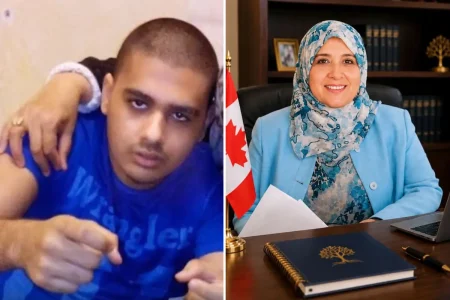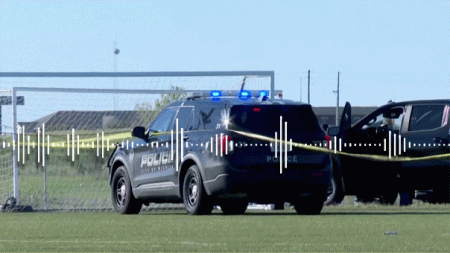



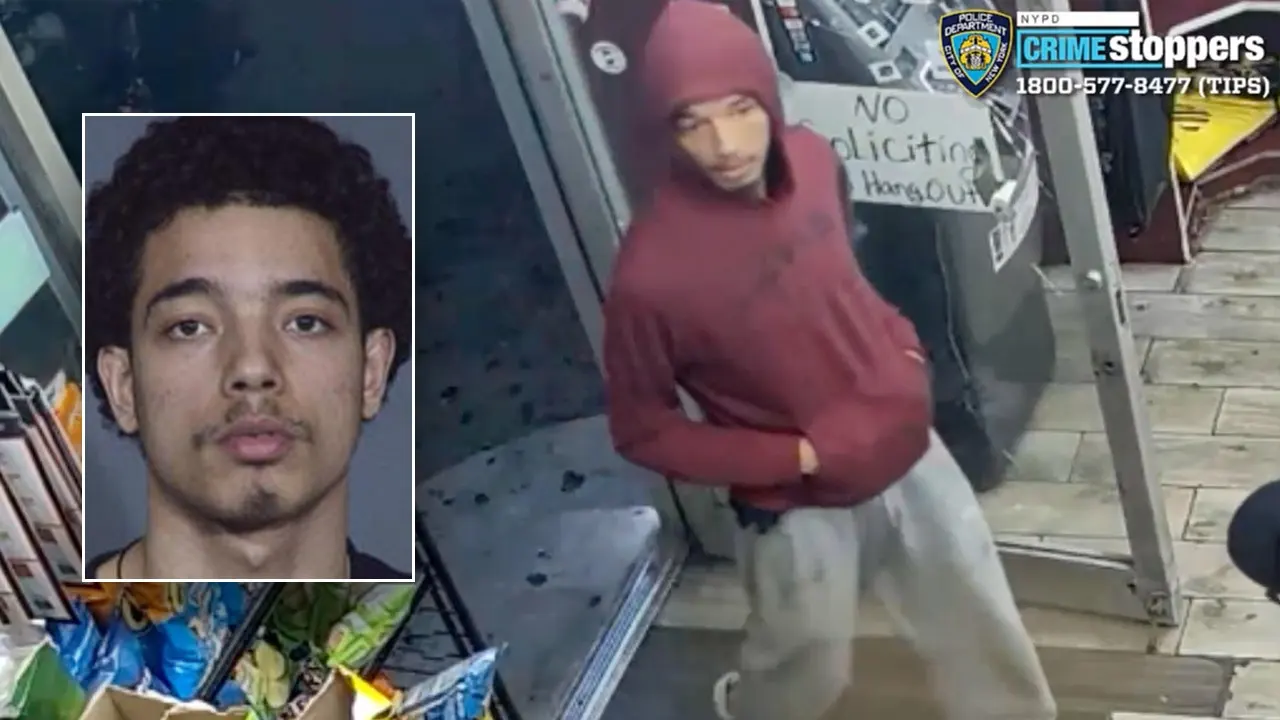
The frantic search for a violent parolee came to a quiet, definitive end on Friday morning when 31-year-old Jesus Acosta was taken into custody, bringing a halt to a 48-hour reign of terror that had left two families shattered and two New York City neighborhoods on edge. The arrest followed a coordinated manhunt between the NYPD and the FBI, an operation that had been significantly bolstered by a $25,000 reward offered for information leading to his capture. As the news of his apprehension swept through precincts in both the Bronx and Brooklyn, a collective sigh of relief mixed with a bitter undercurrent of anger. The NYPD’s official social media announcement was brief and professional, thanking the “cops, detectives, and New Yorkers” for their vigilance and dedication. Yet, behind the sterile official statement lay two distinct and heart-wrenching tragedies—the deaths of Tayvon Shuler and MD Yousuf—that occurred within days of each other, leaving a trail of unanswered questions about a criminal justice system that had allowed a man with a deeply violent past to walk free among the public. For the residents and small business owners in the affected communities, the arrest was a necessary first step toward accountability, but the heavy shadow of fear that had settled over their bodegas and late-night eateries would take far longer to lift than it took for police to place the handcuffs on Acosta’s wrists.
The first act of violence occurred in the hazy early hours of a Tuesday morning inside the 149 Grill & Deli on East 149th Street, a quintessential New York corner store where fluorescent lights hum over neat rows of chips and the air carries the comforting scent of fresh coffee and warm sandwiches. At approximately 12:16 a.m., Acosta allegedly entered the establishment with dark, premeditated intentions. The chilling sequence, likely captured on grainy surveillance footage, involved a sudden approach, the drawing of a weapon, and the eruption of gunfire that shattered the mundane silence of the night. Thirty-three-year-old Tayvon Shuler, affectionately known to his friends and family as “Plucky,” was struck multiple times in the chest. The gunman, according to police reports, casually reached behind the register, grabbed an undisclosed amount of cash, and fled into the city’s darkness, leaving behind a scene of utter carnage and a dying man. Shuler was rushed to Lincoln Hospital, where despite the frantic, desperate efforts of medical staff, he succumbed to his catastrophic injuries. The loss resonated immediately through the digital world. His sister, Tanasha Neal, took to Facebook, her words raw with unfiltered, devastating pain: “My little brother was murdered.” She wrote about the ongoing mental struggle of trying to grapple with a reality where a vibrant, beloved soul had been extinguished over a few measly dollars. She launched a fundraiser not only to cover the mounting funeral costs but to give “Plucky” the dignified, loving send-off he deserved, describing it as a “nice send off into the after life,” a heartbreaking testament to the deep bond they shared and the immense love he inspired during his brief time on earth. The bodega, once a bustling local hub, quickly transformed into an impromptu memorial, with flickering candles, wilting flowers, and handwritten notes piling up against the steel gate, each flame serving as a silent prayer against the senseless violence that had claimed another young life.
Just days earlier, in the late hours of a Saturday night bleeding into Sunday morning, the second tragedy had already begun to unfold across the borough line in Brownsville, Brooklyn. At American Best Wings & Pizza on Rockaway Avenue, the night shift was winding down, a time of wiping counters, refilling soda machines, and preparing for the Sunday rush. It was in this familiar, hard-working environment that Acosta allegedly struck again. Police responding to a frantic 911 call discovered a scene of absolute horror. Forty-four-year-old MD Yousuf, a beloved and dedicated employee of the establishment, had been shot in the head. A second man, aged 39, was found wounded in the leg, a survivor who will now carry the traumatic psychological scars of that night for the rest of his life. Yousuf was tragically pronounced dead at the hospital, leaving a void that stretched far beyond the boundaries of Brooklyn. A GoFundMe page organized by his grieving loved ones painted a devastating portrait of his life and the immense loss suffered by his family. Yousuf was a husband, a devoted father to a 12-year-old and a 3-year-old, and the sole income earner for his entire household. He had been working tirelessly, often long hours, to support his wife and children in America while simultaneously sending money back home to support his relatives in Bangladesh. The fundraiser heartbreakingly detailed the family’s urgent and desperate need for financial assistance to transport his body back to Bangladesh for a proper burial according to his customs, to cover the unexpected and crushing funeral expenses, and to provide some semblance of financial stability for a widow and two children who have lost their pillar of support overnight. The page described him in simple, profound terms as a “hardworking, kind man who supported his family and showed up for his coworkers every day.” These words starkly illustrate the profound difference between the victim and the accused—one man dedicated to building a future through honest labor, the other allegedly dedicated to tearing it down in a fit of violence for a few hundred dollars from a cash register. The wings shop, a local staple for years, now stands as a grim, silent reminder of the fragility of life in a city that often moves too fast to properly grieve.
As the two crime scenes were meticulously processed, a digital dragnet began to tighten inexorably around the suspect. NYPD investigators worked around the clock, combing through hours of surveillance footage from street corners, subway turnstiles, and private businesses. The grainy images they extracted showed a man of average height and build—standing 5 feet 11 inches tall and weighing approximately 175 pounds—with short brown hair and brown eyes. However, what made him uniquely identifiable was the distinctive ink etched into his skin: the word “Bronx” tattooed across the back of his hand, and the name “Bobby” prominently displayed on his left forearm. These identifying marks were blasted across law enforcement bulletins, social media feeds, and local news broadcasts, turning every New Yorker into a potential witness. As the pressure mounted, the FBI stepped in to amplify the urgency, offering a reward of up to $25,000 for any information that would lead to his arrest and conviction. The tip line buzzed with calls from vigilant citizens, and eventually, a credible lead emerged, culminating in his peaceful apprehension on Friday morning, officially ending the 48-hour reign of terror that had gripped the city. However, the immense relief over his capture quickly transformed into seething anger when his criminal history was brought to light. Acosta had been on parole only since April, a mere few months prior to the alleged shootings. His record was extensive, revealing a deeply troubling and persistent pattern of violent behavior. He had been arrested a staggering 13 times previously and had served a 10-year state prison sentence for assault and criminal possession of a weapon. The sheer absurdity of his presence on the streets infuriated both the police and the general public. How could a man with 13 arrests and a decade in prison for violent crimes be released to allegedly commit two more brazen murders? The fingerprints of a broken, revolving-door system were all over this tragedy, fueling the growing perception that soft-on-crime policies were directly endangering the lives of everyday New Yorkers who are simply trying to work and live safely.
No group felt this institutional betrayal more acutely than the local business owners, who have long found themselves placed directly on the front lines of urban crime. The United Bodegas of America (UBA), a prominent and vocal advocacy group, issued a scathing response to the arrest, acknowledging the swift and effective work of the NYPD in capturing the suspect but simultaneously unleashing their full fury at the judicial and parole systems that allowed such a tragedy to occur in the first place. Spokesman Fernando Mateo articulated the deep-seated frustration felt by thousands of deli owners, corner store clerks, and small business operators across the five boroughs. “We are relieved that this dangerous man is off our streets,” Mateo stated firmly, “but we are outraged that someone with 13 prior arrests was released on parole after serving approximately 10 years for assault and illegal gun possession.” He bluntly declared that the justice system had unequivocally failed the victims, their heartbroken families, and the working-class communities they serve. Mateo did not merely stop at criticism; he laid out a concrete, actionable list of demands meant to prevent such senseless tragedies in the future. He explicitly called on Governor Kathy Hochul to support new legislation that would mandate a minimum of three to five years in prison for anyone caught illegally carrying a firearm, arguing that the current slap-on-the-wrist approach actively emboldens criminals. He demanded that city leadership bring back bodega panic buttons—a direct, discreet alert system that could instantly summon police to a store under active attack, providing a critical lifeline for shopkeepers who are often sitting ducks. Furthermore, he urged the city to expedite the process for granting gun permits to trained, law-abiding bodega owners, giving them the legal, constitutional means to defend themselves and their customers when police response times are unavoidably delayed. These demands represent a desperate, heartfelt plea from a community that feels increasingly abandoned, forced to operate in a climate of constant anxiety, where every customer who walks through the door could potentially be the next armed robber.
In the aftermath of the arrest, the immediate focus shifts to the legal proceedings, where Acosta will face a litany of charges, including the murders of Tayvon Shuler and MD Yousuf, as well as the attempted murder of the wounded survivor. But beyond the sterile confines of the courtroom, the true weight of this tragedy lies in the profound human cost that statistics often fail to adequately capture. A brother named “Plucky” is gone, leaving his sister Tanasha to navigate a world suddenly devoid of his laughter and warmth. A father named MD Yousuf is gone, leaving a 12-year-old and a 3-year-old to grow up without his guiding hand, and a loving wife to face the harsh, unforgiving realities of widowhood, relying on the charity of strangers to send his soul back to his homeland. The bodega on 149th Street and the wings shop on Rockaway Avenue are far more than just commercial establishments; they are the beating hearts of their neighborhoods, places where community bonds are forged over a dollar slice, a hot cup of coffee, or a quick conversation. The brutal violence that shattered them has sent shockwaves throughout the entire city, igniting an urgent and necessary debate about criminal justice reform, the integrity of the parole board, and the inalienable right to safety in one’s own workplace. While some may argue for the ideals of rehabilitation, the families of these victims are staring at a stark and bitter truth: a system prioritized a violent repeat offender’s freedom over the public’s safety. As New Yorkers collectively process this heartbreaking sequence of events, there is a palpable, growing demand for tangible change. The arrest of Jesus Acosta brings a measure of accountability, but true, lasting justice will only be served when the systemic flaws that allowed this nightmare to unfold are fundamentally addressed. Until that day arrives, the cherished memories of Plucky and MD Yousuf will serve as a solemn, enduring reminder of the precious, fragile nature of life, and the urgent, non-negotiable need for a city to protect its own.