






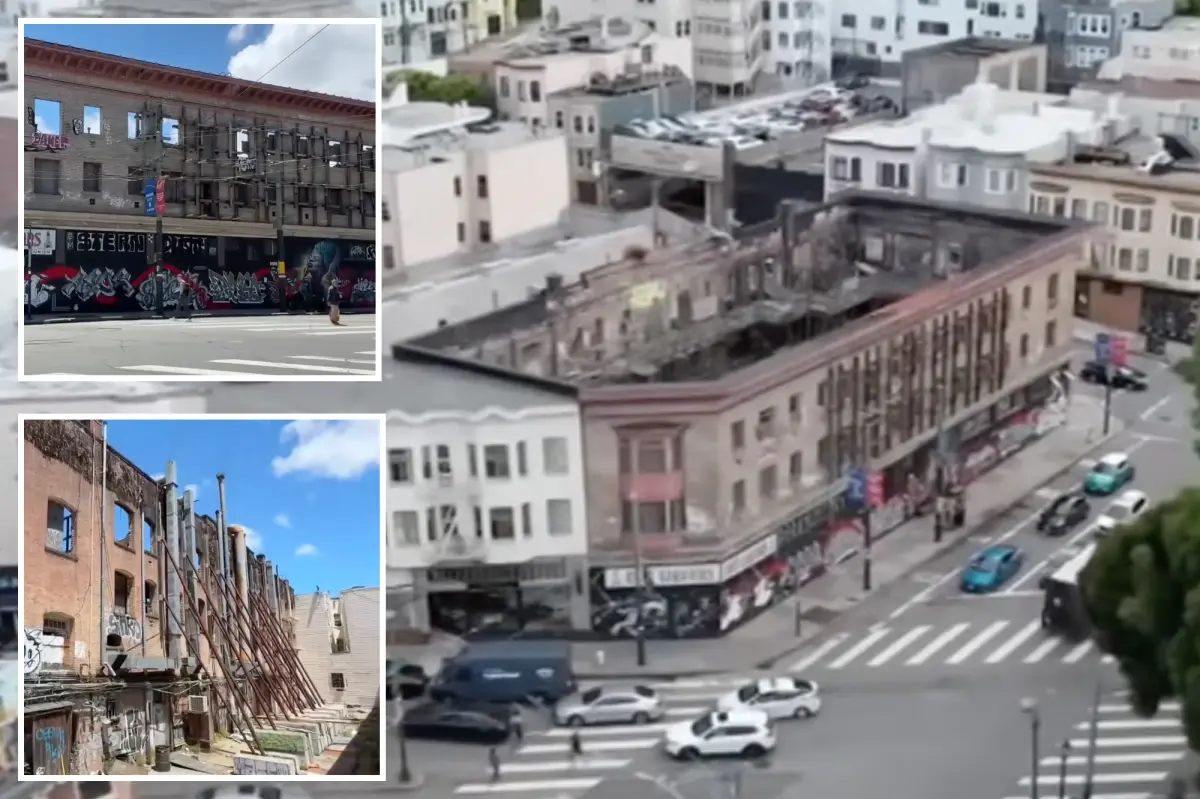
For decades, San Francisco’s iconic North Beach neighborhood has thrived as a vibrant tapestry of culture, aroma, and history, where the rich scent of roasting espresso beans mingles with the laughter of patrons spilling out of historic Italian trattorias. Yet, amidst the bustling energy of Washington Square Park and the historic storefronts, a towering shadow of neglect has hung over the corner of Union Street. The Verdi Building at 659 Union Street, once a proud anchor of this tight-knit community, has spent the last ten years transitioning from a lively local hub into a hollowed-out, soot-stained specter. Ravaged by two catastrophic fires in 2013 and 2018, the structure has been reduced to little more than a fragile brick facade supported by an intricate, skeletal web of temporary wooden and steel shoring. For neighbors and business owners who walk past it daily, this ruined monument is not merely an eyesore; it is a painful, constant reminder of loss, bureaucratic stagnation, and the physical vulnerability of their beloved neighborhood.
At the heart of the current conflict is a fundamental clash of urban philosophies, personified by the developer, Jeff Jurow of Red Bridge Partners, and deep-seated neighborhood preservation groups like the Telegraph Hill Dwellers. In 2023, the real estate firm stepped forward with plans to breathe new life into the dead zone, initially proposing a 23-unit apartment building with ground-floor retail that would painstakingly preserve the historic brick exterior. However, citing the overwhelming financial and structural hurdles of maintaining a heavily compromised wall, Jurow later pivoted, submitting an ambitious plan for an eight-story building featuring 89 apartments, a ground-floor retail space, and a vibrant rooftop restaurant. To preservationists, this new direction felt like a betrayal of the neighborhood’s architectural heritage and scale, sparking fears that the developer would use the building’s physical decay as an excuse to completely erase its historic character. The Telegraph Hill Dwellers and the North Beach Tenants Committee quickly mobilized, turning the ruined building into a literal and symbolic battleground over who gets to dictate the aesthetic and demographic future of North Beach.
Beyond the brick and mortar lies a deeply emotional human struggle centered on displacement, gentrification, and the sacred concept of the “right to return.” When the fires tore through the Verdi Building, they did not just destroy walls; they shattered the lives of the long-term tenants who called the building home, casting them out into one of the most expensive and competitive housing markets in the world. Advocacy groups have fiercely argued that any demolition or major redevelopment must guarantee these displaced residents a path back to their homes, fearing that a total teardown would exploit regulatory loopholes to permanently banish rent-controlled tenants. Jurow has noted that, from a strictly legal standpoint, the official right-of-return period has long since expired during the decade of legal and administrative paralysis. Yet, recognizing the intense human pain associated with this displacement, Jurow publicly stated his desire to look past legal technicalities, expressing a genuine commitment to finding a creative, compassional path to bring the original tenants back into the fold of the new development, regardless of what the letter of the law dictates.
The long-simmering dispute erupted into an acute public safety crisis in March when San Francisco’s Department of Building Inspection issued a chilling report declaring the remaining 50-foot brick wall to be an imminent collapse hazard. Standing on the precipice of a catastrophe that could crush pedestrians or devastate neighboring properties, Red Bridge Partners, operating through Powell Partners LLC, secured an emergency permit to demolish the dangerous section of the wall. However, in a move that highlighted the deep mistrust between the community and the developer, an individual connected to local activist groups filed an urgent appeal, halting the demolition work mid-stroke. This sudden freeze left neighborhood representatives like City Supervisor Danny Sauter in a state of deep frustration; while Sauter expressed sincere empathy for the preservationists’ desire to protect historical structures, he urged that public safety must take precedence over political and ideological debates, arguing that when municipal experts warn of an imminent hazard to human life, the city has a moral and civic obligation to act without delay.
The battle then moved to the bureaucratic theaters of the San Francisco Board of Appeals, where the city’s unique culture of hyper-local public participation was put on full display. During a tense meeting in April, rather than issuing a decisive ruling, the board chose to delay, requested further legal analyses, and granted the neighborhood tenant groups additional time to hire an independent structural engineer to verify if the wall was truly as dangerous as city inspectors claimed. This procedural pause prolonged the anxiety of local business owners who feared a catastrophic collapse might cripple the neighborhood’s foot traffic and safety. Finally, on May 20, after analyzing the structural risks and legal frameworks, the Board of Appeals voted to deny the activists’ appeal, officially upholding the emergency demolition permit. Yet, even this decisive vote did not bring immediate closure; because the city’s complex legal system allows for further appeals of the board’s decision, the developer has had to keep the bulldozers idle, unwilling to risk further legal complications while the threat of litigation still looms.
Today, the Verdi Building remains caught in a perilous limbo, serving as a stark metaphor for San Francisco’s broader struggles with housing, safety, and progress. Jurow has warned that halting the demolition halfway through has actually left the building in a far more precarious and dangerous state than it was before work began, leaving a partially dismantled, unstable brick wall dangling over a active urban corridor. Despite the ongoing tension, the developer remains hopeful, focusing on an interim plan to clear the immediate hazard and activate the vacant corner for public assembly and community gatherings while the long-term, 89-unit residential project winds its way through the approval process. Ultimately, the saga of 659 Union Street highlights the delicate, often painful balance that modern cities must strike: protecting the nostalgic, physical remnants of the past and the rights of vulnerable tenants, while bravely clearing away hazards to build solid, safe, and welcoming foundations for the generation of tomorrow.