





For centuries, humanity has looked to the skies and the seas to forecast the rhythms of daily life, but today, those once-predictable cycles are shifting into uncharted territory, leaving us both awestruck and deeply vulnerable. In a sobering announcement, meteorologists recently confirmed that a new El Niño has officially formed in the tropical Pacific Ocean—a quiet, underwater gathering of warmth that is poised to ripple outward and dramatically disrupt the lives of billions of people across the globe. Technically, this means that the sea-surface temperatures in the equatorial Pacific have hovered at a seemingly modest 0.5 degrees Celsius (0.9 degrees Fahrenheit) above the historical average for several consecutive months, accompanied by noticeable shifts in atmospheric pressure. To the average citizen, half a degree may sound trivial, but in the delicate, interconnected web of global climate pathology, it represents a massive injection of thermal energy into the atmosphere. This natural phenomenon, which occurs every few years when the prevailing trade winds weaken and allow warm water to slosh eastward toward the Americas, acts as a planetary heat engine. Now, emerging in a world already heavily burdened by anthropogenic climate change, this El Niño threateningly promises to supercharge existing environmental crises, translating abstract oceanic measurements into real-world disasters of historic proportions.
The true gravity of this situation lies in the sheer scale of the warming that scientists are now projecting, exposing a collective anxiety among those whose job it is to monitor the pulse of the planet. According to the National Oceanic and Atmospheric Administration (NOAA), there is a staggering 63 percent chance that this El Niño will escalate into a “very strong” event, with sea-surface temperatures climbing more than 2 degrees Celsius above the norm. Even more alarming are the advanced computer models suggesting that this year’s warming could breach a catastrophic 3 degrees Celsius threshold, a hyper-extreme baseline that humanity has never before witnessed in modern history. “We don’t really have an analog for that,” cautions Malte Stuecker, a distinguished oceanographer and director at the University of Hawaii at Manoa, his voice reflecting the unsettling realization that our historical archives no longer offer a roadmap for what lies ahead. Under normal circumstances, El Niño events reach their peak during the Northern Hemisphere’s winter months, throwing off global weather systems and spilling excess heat into the planetary atmosphere well into the following year. Coming on the heels of the recent major El Niño cycle, which directly fueled the record-shattering global temperatures of late, this impending climate behemoth threatens to push our fragile ecosystems past their breaking points, leaving communities to contend with a brand of weather volatility for which they are fundamentally unprepared.
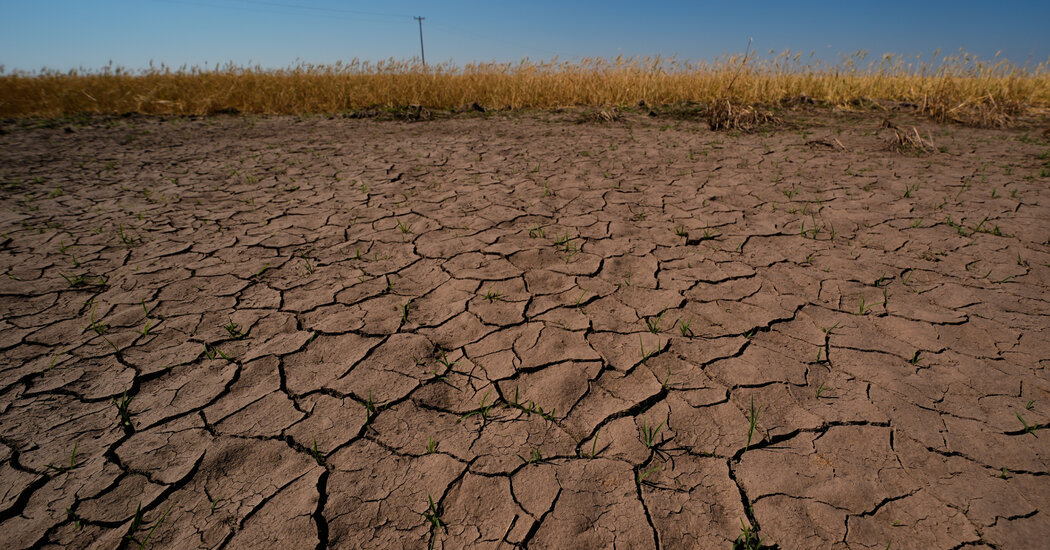
At its core, El Niño is a story of stark geographic contrast, a natural equalizer that brings too much water to some while parching others, resulting in a devastating economic and emotional toll on everyday people. As the warming ocean alters the path of the jet stream, the atmosphere reacts like a displaced pendulum, altering rainfall patterns dynamically across continents. For families living along the western coasts of South and Central America, this shift frequently translates into torrential downpours, triggering flash floods and mudslides that can sweep away homes, farmlands, and decades of hard-earned infrastructure overnight. Conversely, across the vast expanses of South and Southeast Asia, Australia, and southern Africa, the same atmospheric shift acts as a punishing lid, suppressing rain clouds and inviting prolonged, suffocating droughts. In these agrarian regions, where the rhythm of life is synchronized with the monsoons, the arrival of an El Niño is greeted not with intellectual curiosity, but with a quiet dread. Farmers look up at empty, brassy skies, watching their soil turn to dust and their livestock wither, knowing that a failed crop cycle means crippling debt, hunger, and the painful sacrifice of their children’s educational opportunities just to survive.
Even in wealthier nations like the United States, where robust infrastructure can often buffer the worst of nature’s tantrums, the consequences of this oceanic shift are complex, bittersweet, and highly unpredictable. On the one hand, an El Niño offers a temporary shield for the Atlantic basin by producing strong vertical wind shear that tears budding tropical storms apart before they can organize. Seizing on this atmospheric dynamic, prominent hurricane forecasters at Colorado State University recently dialed back their initial predictions, forecasting the lowest levels of Atlantic hurricane activity since 2015—a rare piece of good news for storm-weary coastal residents in the Gulf of Mexico and the Eastern Seaboard. However, this atmospheric relief comes with a heavy caveat, as NOAA warns that El Niño simultaneously heightens other coastal hazards, particularly along the Pacific West Coast. In communities stretching from Southern California to Washington state, rising sea levels driven by thermal expansion, combined with winter storms, threaten to trigger unprecedented high-tide flooding, eroding coastlines and damaging seaside properties. Furthermore, the warming waters are highly conducive to massive toxic algae blooms, which can strangle local marine ecosystems, shut down commercial fisheries, and poison the livelihoods of those who depend on the bounty of the sea.
While wealthy nations scramble to reinforce their coastlines and mitigate economic damages, the true tragedy of El Niño unfolds in poorer, marginalized regions of the globe, where meteorological anomalies intersect cruelly with existing human-made crises. This year, the threat of widespread food insecurity and severe water scarcity is amplified to a terrifying degree by a perfect storm of geopolitical and economic vulnerabilities. Crucial global supply chains are already buckling, exemplified by fertilizer shortages connected to the effective maritime closures and rising tensions within the critical Strait of Hormuz—the vital corridor through which a vast portion of the world’s energy and agricultural inputs must pass. Compounding this supply crisis, wealthier nations, including the United States, have recently implemented significant funding cuts to international humanitarian assistance programs, leaving aid agencies with empty coffers at the exact moment demand is poised to skyrocket. This retreat from global solidarity means that when crops fail and water wells run dry, there will be no safety net to catch the fall, leaving millions of the world’s most vulnerable citizens completely isolated to face the compound shocks of environmental ruin and systemic neglect.
The human face of this impending disaster is perhaps nowhere more visible or more painfully felt than in East Africa, a region already profoundly scarred by a relentless cycle of extreme weather events that have left communities clinging to the absolute margins of survival. Mohamed Adow, a leading voice on climate justice and the director of the Nairobi-based think tank Power Shift, paints a devastating picture of what this meteorological shift actually means for those on the ground: “failed rains, dying crops, rising food prices, and families pushed to the edge yet again.” For families in Kenya, Somalia, and Ethiopia, who have spent the last several years burying their cattle and fleeing homes destroyed by consecutive historic droughts and sudden, violent deluges, the arrival of another El Niño is an existential threat. It is a harsh reminder that while climate change is discussed in abstract percentages and decimal points in distant, air-conditioned conference halls, its consequences are lived out in the daily desperation of parents searching for clean water and children suffering from acute malnutrition. Ultimately, this El Niño is not just a scientific curiosity or a headline to be skimmed; it is a profound moral mirror reflecting our interconnectedness, reminding us that the warmth pooling in the middle of the Pacific Ocean is bound directly to the heartbeat, the hope, and the ultimate survival of our fellow human beings across the globe.