




The modern geopolitical chessboard is shifting rapidly, marked by high-stakes brinkmanship and a recalibration of international alliances that will shape the global order for decades. At the center of this tension is the Middle East, where Iran’s leadership has flatly rejected offers of negotiations in the wake of Donald Trump pausing a two-week aerial bombing campaign. This delicate pause in military action highlights the precarious balance of power in the region, even as some national security voices warn that domestic overextension in these conflicts has left America in a vulnerable position. Meanwhile, across the Atlantic, European defense officials are offering a surprisingly candid reassessment of transatlantic relations. The British defense chief recently suggested that Europe might actually owe Donald Trump a debt of gratitude, arguing that his persistent demands for equitable defense spending served as a necessary wake-up call that forced NATO to revitalize its readiness. This warning is particularly timely as military strategists look toward the frozen landscapes of the north, warning that while Russia has temporarily pulled back its forces from the Arctic to support its campaigns elsewhere, NATO must act decisively to secure the region before those seasoned troops inevitably return.
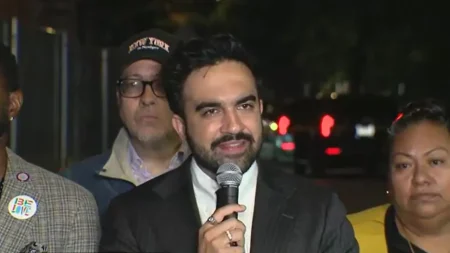
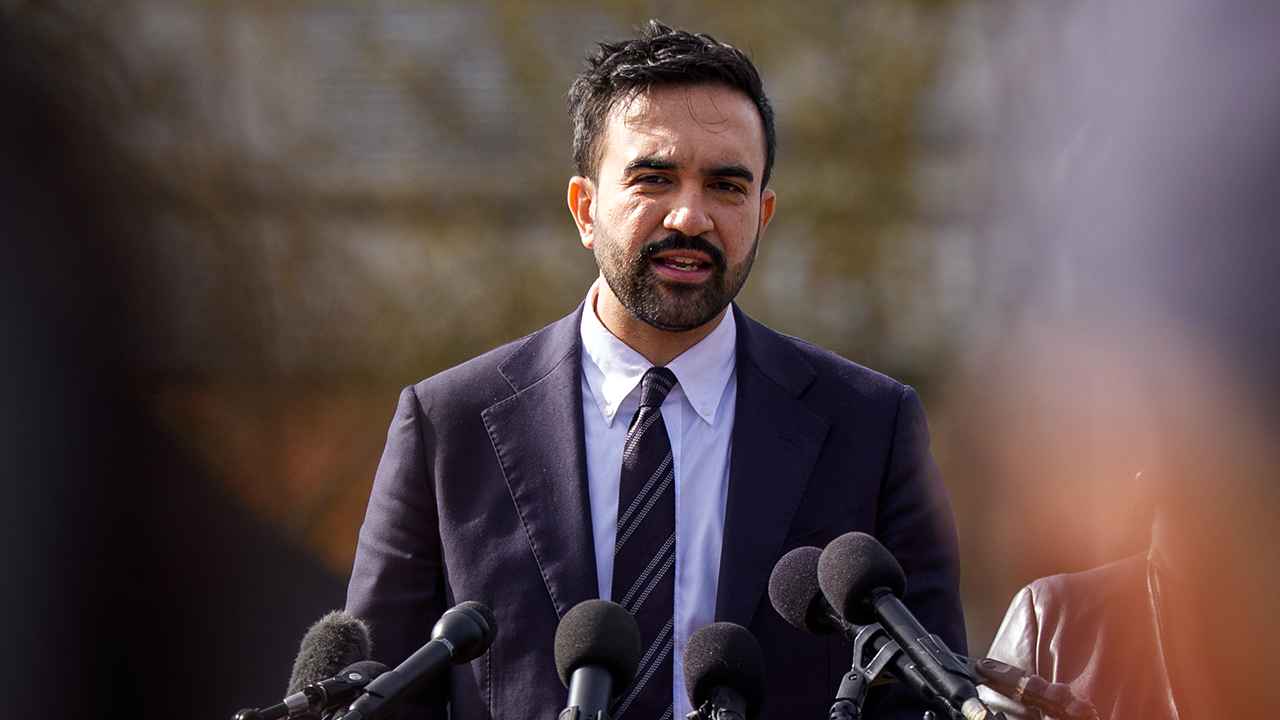
On the domestic front, the intersection of national security, immigration policies, and local governance is creating a pressure cooker of political debate. Federal authorities are bracing for a massive logistical challenge as the legal clock runs out on Temporary Protected Status (TPS) for thousands of Haitian nationals, signaling that Immigration and Customs Enforcement (ICE) is actively preparing for an unprecedented, sweeping enforcement crackdown. This looming crisis coincides with mounting frustration over how public institutions are run, exemplified by a conservative congressional push to radically “clean house” at the Smithsonian Institution over concerns regarding its cultural and ideological direction. The frustration with political leadership is not confined to federal agencies; it is manifesting in local municipalities as well. In New York, local political theater took a national turn of its own when a prominent NBA star publicly criticized state politician Zohran Mamdani, accusing him of acting like a “mayor playing president” and prioritizing theatrical national posturing over the immediate, pressing needs of his actual constituents.
Beyond the halls of government, communities across the country are grappling with profound human tragedies, mysterious disappearances, and complex legal dramas that challenge our collective sense of security and empathy. In Seattle, what was supposed to be a joyous community festival dissolved into terror when gunfire erupted into a crowded space, leaving multiple people dead and a community searching for answers in the wake of sudden, senseless violence. In a quiet courtroom far from the noise of public festivals, the American justice system is preparing to confront a heart-wrenching tragedy as a mother accused of strangling her three young children heads to trial. Legal analysts and observers are focused entirely on the looming question of intent, trying to understand how such a devastating loss of life could occur within the protective walls of a home. This dark mystery is echoed by a chilling case in which a young couple claimed their missing infant was merely part of an elaborate hoax, only for law enforcement to counter that the physical evidence points to a far more tragic and real outcome. Meanwhile, the agonizing search for a North Carolina woman who vanished during what was supposed to be a dream getaway in the Caribbean enters its fifth day, leaving her family desperately clinging to hope as international investigators search for any sign of her whereabouts.
At the same time, the veil of privacy has been lifted on some of the pandemic era’s most powerful figures, exposing the deep-seated personal frictions that occurred behind closed doors during a time of national crisis. Newly revealed excerpts from the private diaries of Dr. Anthony Fauci offer a fascinating, sometimes blistering look into his private thoughts, challenging the carefully curated public persona he maintained for the media. In these highly personal pages, Fauci pulled no punches, describing Donald Trump as a “loose cannon” and painting a critical portrait of various television personalities and cultural celebrities as “con men” who prioritized performance over public safety. These revelations draw a stark contrast between the cooperative facade of public health committees and the raw, frustrated reality of governing during a crisis. As these personal political battles make headlines, broader structural shifts continue to quietly unfold, such as the deepening alliance between the United States and Japan, which foreign policy analysts describe as a formidable, unified partnership specifically designed to counter Beijing’s rising economic and military influence in the Pacific region.
The internal operations of major political and media organizations are also showing signs of severe strain, revealing a landscape fractured by financial mismanagement and toxic workplace dynamics. The Democratic National Committee is currently dealing with significant internal turmoil after an HR complaint was filed against the DNC chair, who allegedly hurled a telephone at a junior staff member in a fit of rage. This interpersonal breakdown is compounded by a looming financial crisis, with reports revealing that the heavily indebted organization spent nearly one million dollars on non-voting territories, raising serious questions about strategic resource allocation ahead of critical election cycles. This sense of organizational division is further highlighted by Senator Bernie Sanders, who has refused to express remorse for his steadfast backing of political ally Platner, despite a series of warning signs that left many within his own coalition uneasy. Meanwhile, the legal battles surrounding the reporting of major political events continue to play out in court, where a federal judge recently delivered a significant blow to the BBC, ruling that the broadcaster cannot relitigate the details of the January 6th Capitol riot in a major lawsuit involving Donald Trump.
Despite these heavy political, social, and global challenges, there remains a resilient and vibrant undercurrent in American daily life, defined by cultural comebacks, extraordinary athletic achievements, and the simple pursuit of leisure. In the business world, the beloved restaurant chain Cracker Barrel is orchestrating a remarkable comeback, proving that listening to customer feedback and honoring traditional hospitality can breathe new life into a brand that had recently fallen out of favor with its core base. The sports world provided its own classic underdog story when an unheralded 21-year-old PGA Tour rookie held off golf superstar Scottie Scheffler at the 3M Open, walking away with a life-changing $1.58 million winner’s check and reminding sports fans of the sheer thrill of unexpected triumph. And for those seeking a touch of escapism, a glimpse inside an ultra-exclusive $85 million “James Bond” style residential fortress situated next to Mark Wahlberg’s estate captures the imagination, demonstrating that even in a world defined by constant change and intense debate, the appreciation for human ingenuity, athletic prowess, and the comforts of home remains as strong as ever.