





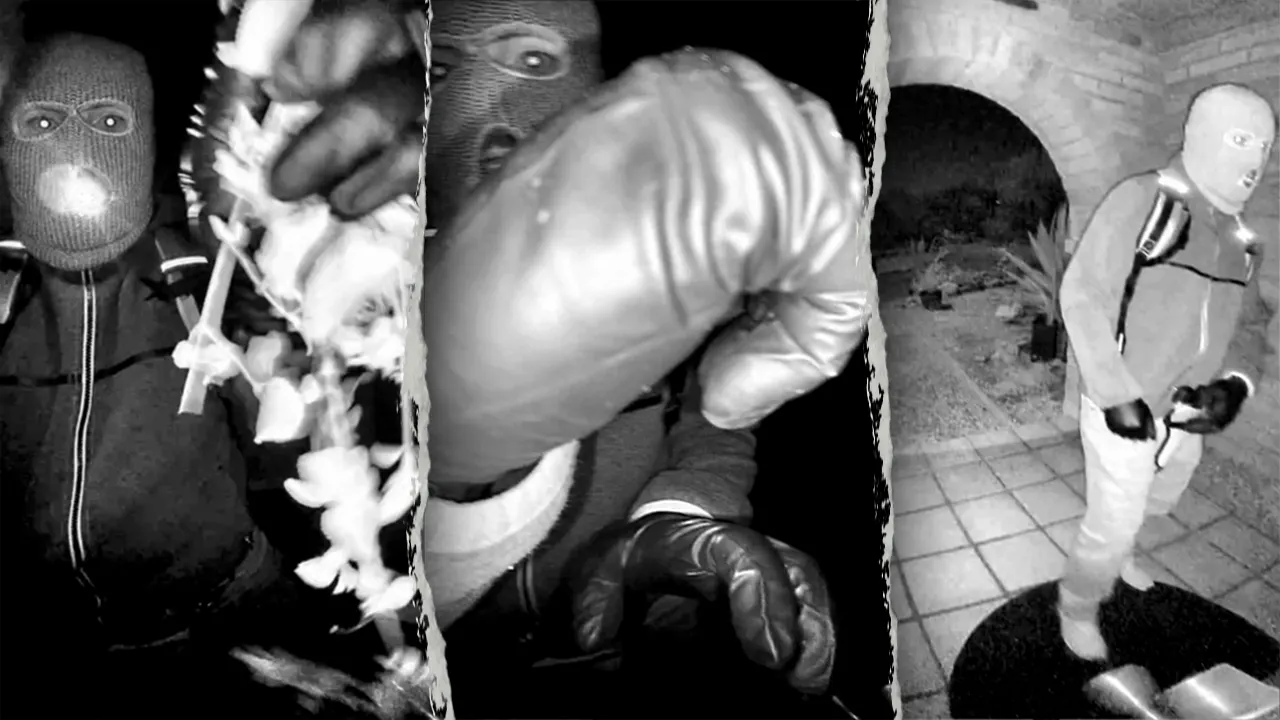
Just picture Nancy Guthrie, an 84-year-old woman in the peak of retire ment, living peacefully in a quiet Tucson neighborhood. This is where “Today” show co-host Savannah Guthrie grew up, surrounded by million-dollar homes that feel worlds away from the sprawling desert just outside. Nancy’s modest life took a terrifying turn on February 1, when a masked intruder was captured on her Nest doorbell camera, right on her front steps. In the footage, the suspect wore a holstered pistol in what experts call “Mexican carry” style—belt-style, not typical for U.S. carry. It was a stark reminder that this wasn’t just a random event; it signaled deliberate intent. Savannah, along with her family, must be grappling with unimaginable fear, wondering where Nancy is and if she’s safe. The case has gripped the nation, raising questions about security in areas like this, where the line between safe suburbiazation and wild desert blurs.
The sprawling Tucson Valley poses unique hurdles for investigators, transforming a simple search into a daunting challenge. Nestled amid natural washes—those deep, brush-choked drainage ditches that snake through the desert like overgrown alleyways—Nancy’s home sits in terrain that feels both beautiful and unforgiving. Retired law enforcement consultant Dave Smith calls it a “green belt” in desert form, where evidence doesn’t last. A single rainstorm can erase footprints, while the relentless sun degrades anything left behind. From aircraft to ground teams, cops comb the arroyos and brush, but it’s like searching for a needle in a dusty haystack. For families like the Guthries, this delay must sting, amplifying the worry over what might have happened to a loved one who deserves peace at her age. It’s a reminder of how the rugged Southwest, with its endless vistas, can hide secrets while the clock ticks mercilessly.
Experts like Smith have pointed fingers at Mexico, just 60 miles away, as a potential hiding spot for the perpetrator. Crossing into Nogales, it’s like stepping from a sleepy border town into a bustling metropolis of 300,000, where blending in becomes dangerously easy. The suspect’s pistol style hints at cross-border ties, making one wonder if Nancy was whisked away to evade U.S. justice. Sheriff Chris Nanos has downplayed this theory, saying there’s no firm evidence of an international abduction. But the speculation lingers, painting a picture of a desperate criminal fleeing to a place where cooperation across borders is tricky. Imagine Nancy—a grandmother, perhaps still doting on her children and grandchildren through occasional calls and visits—being spirited away in the night. The human cost here isn’t just about miles; it’s about a life interrupted, dreams of golden years turned to nightmares for her family.
Despite intense scrutiny, no suspects have been named publicly, and it’s been over a month since Nancy vanished without a trace. Two men were questioned and released, heightening the frustration in a community desperate for closure. The investigation has uncovered blood spatters on her front porch and retrieved DNA samples from inside her home, yet progress feels stalled. For Savannah, balancing her high-profile career with this personal tragedy must be excruciating. We think of her as the composed host, but beneath that, she’s a daughter fearing the worst. Each day without answers compounds the emotional toll, turning what should be moments of family warmth into a void of uncertainty.
Tensions simmer between local and federal forces, with FBI Director Kash Patel clashing openly with Sheriff Nanos over the case’s handling. Patel claims the FBI was kept at arm’s length for days, missing key opportunities like immediately analyzing DNA with their superior Quantico labs. Instead, a hair sample languished at a private Florida lab for weeks before being shared. Patel’s team had a plane ready to transport evidence swiftly, but jurisdiction rules let locals decide, leaving federal experts fuming about missed chances. Nanos insists coordination was prompt from the start. This bureaucratic tug-of-war humanizes the struggles behind the scenes—dedicated professionals at odds, all racing against time for one woman’s sake. It underscores how, in cases like this, egos and protocols can get in the way of justice, prolonging the agony for families like the Guthries who just want Nancy home.
Hope clings by a thread, with a combined reward exceeding $1.2 million still unclaimed, drawing tips from a public eager to help. The Guthries urge anyone with information to call 1-800-CALL-FBI, a hotline that bridges everyday people to law enforcement. Amid the desert’s vastness and investigative delays, there’s a collective plea: remember Nancy as more than a case—she’s a pillar of family, a source of love and stability for decades. As days stretch into weeks, the “Today” co-host’s poise is admirable, but behind the television smile lies a heart heavy with loss. Crimes like this ripple through communities, reminding us to cherish our elders and vigilantly watch over the ones we hold dear. If you’ve seen something, speak up—Nancy’s story isn’t over until she’s safely back where she belongs. (Word count: 812)