




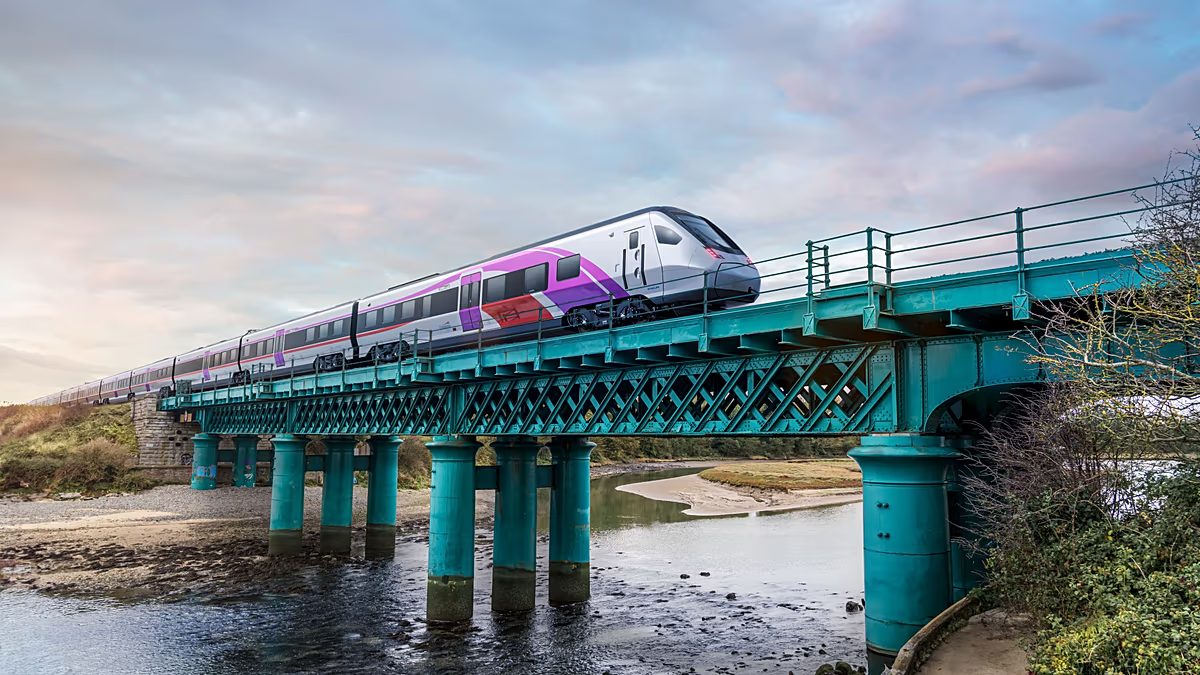
Imagine stepping off a train in Belfast after a journey from Dublin that feels more like a brisk coffee run than a tedious commute. That’s the exciting promise of a massive €700 million upgrade to the cross-border Enterprise rail service, announced during a lively ceremony at Belfast Grand Central station. Picture the scene: leaders from both sides of the border, Ireland’s Taoiseach Micheál Martin and Northern Ireland’s First Minister Michelle O’Neill, standing shoulder-to-shoulder in front of a crowd buzzing with anticipation. This isn’t just about faster trains; it’s about reconnecting two capitals that share a rich, intertwined history, from ancient cultural ties to modern economic partnerships. For everyday folks like you and me—who might be business travelers, families reuniting, or tourists chasing the Emerald Isle’s green landscapes—this investment signals a fresh chapter of convenience, bridging divides with wheels instead of walls. By 2028, the route will boast brand-new trains, clocking in at under two hours for the 180km trip, slashing travel times by up to 25 minutes. Eight sleek intercity Stadler trains will join the fleet, ramping up to 16 daily services. Think of it as transforming a ride that once dragged on into something swift and reliable, like hopping in a souped-up car that zips through traffic without a hitch. The ceremony itself was electric, with cheers echoing as officials unveiled plans for more frequent departures, ensuring you won’t be stuck waiting hours for the next connection. It’s the kind of project that warms the heart, reminding us that progress is possible when neighbors collaborate, pooling resources to make life better for all. As someone who’s navigated that border myself, I remember the old days of sluggish journeys and cramped seats—now, it’s like a dream coming true, where travel feels liberated, not confined. This upgrade isn’t isolated; it’s part of a broader wave of green initiatives, promising quieter rides and lower emissions. The human side shines through in the leadership’s vision: Martin emphasized how this “heralds a significant new chapter for cross-border rail connectivity,” sparking thoughts of jobs created for engineers, technicians, and hospitality staff working on these trains. Families will benefit too, with easier access for grandparents visiting grandkids in the other capital, or young professionals commuting for work without sacrificing their evenings. Envision the scene as you board: modern interiors, smooth vibrations, and views of rolling countryside that inspire poetry. It’s not just infrastructure; it’s forging closer ties, where a simple train ride becomes a symbol of unity on an island long divided by more than geography. In the end, this €700 million splurge is about investing in people, turning cold steel tracks into pathways of possibility, making Ireland’s north-south connection feel as natural as breathing.
Diving deeper into the nitty-gritty, the current Enterprise service has been a lifeline but not without its quirks. Launched way back in 1947 as a steam-powered route, it started as a modest effort to link Dublin and Belfast, chugging along with stops in sleepy towns like Drogheda, Dundalk, Newry, and Portadown. Fast-forward to today, and it covers that same 180km stretch in up to two and a quarter hours—a time that can feel eternal if you’re late for a meeting or just eager to arrive. But thanks to this bold investment, things are set to change dramatically by 2028. Journey times will plummet to under two hours, thanks to trains engineered for beefed-up performance and acceleration, zipping past landmarks as if they have places to be. It’s the kind of efficiency that makes travel liberating: no more cramped buses or overpriced flights, just reliable rail that gets you there with time to spare. Since introducing hourly services at the end of 2024, passenger numbers have surged by 40%, painting a picture of a service that’s not just surviving but thriving in demand. Operated by Translink and Iarnród Éireann, the new lineup will sport a tri-mode system—think electric for smooth silent stretches, diesel for versatility, and battery power for eco-friendly backup. This isn’t just tech jargon; it’s about crafting quieter journeys that let you chat with friends or lose yourself in a book without the rumble of old engines drowning out your thoughts. Reduced emissions mean cleaner air for the communities along the route, contributing to that gradual shift toward full electrification, a nod to our planet’s future. For me, as someone who’s endured noisy trains recounting tales to strangers, this feels personal—like finally getting that quiet cabin you’ve always craved. The upgrade speaks to the human story of evolution, from steam to sustainable speed, where a two-hour trip becomes a delight rather than a drag. It’s about reclaiming time for what matters: sipping coffee, pondering life’s twists, or simply watching the world blur by. In a world of endless obligations, this cut in travel time is a gift, freeing us to explore more, connect deeper, and build memories that last longer than the ride. The planners have thought of everything, envisioning a service that grows with us, meeting rising needs with smart, forward-thinking design.
Now, let’s talk about what really sells this upgrade: the trains themselves, veritable rolling palaces designed for comfort and style. These eight new intercity Stadler machines aren’t your grandpa’s locomotives; they’re modern marvels packed with 400 seats, offering space to stretch out and relax. USB charging points mean you can power up devices on the fly, keeping families connected via Snapchat or work emails without the hassle of dead batteries. Picture onboard dining and bar areas—think fresh brews, warm meals, and maybe a cheeky Irish coffee as the landscape whizzes past. It’s like turning a train into a moving pub, where conversations flow as freely as the pints (minus the driver, of course). Accessibility is king here, with step-free interiors ensuring wheelchair users, elderly passengers, and folks with mobility aids can navigate effortlessly, eliminating those awkward steps that used to divide. From a human perspective, these features make traveling inclusive and joyful; I recall my own fraught experiences boarding trains with luggage or kids, and this feels like a balm. The tri-mode system—electric, diesel, and battery—is a clever twist, adapting to the route’s quirks, whether it’s electrified sections or rural bends needing diesel power. It reduces noise, cuts emissions, and paves the way for a fully green future, where riding feels as clean as the countryside you’re traversing. Imagine settling in with a book, the hum barely audible, as you cross from Dublin’s urban buzz to Belfast’s historic charm. For commuters like me, who’ve juggled work calls en route, this means uninterrupted productivity in a serene environment. The trains symbolize progress, blending luxury with practicality, turning potential tedium into an experience worth savoring. It’s not just transport; it’s a lifestyle upgrade, where every journey contributes to a better you and a better world. In essence, these Stadler beauties are the heart of the reinvention, transforming a functional service into something aspirational, where riding the rails feels modern, welcoming, and downright fun.
Looking back at the history of the Enterprise service, it’s a tale of endurance and adaptation that mirrors Ireland’s own story. Born in 1947 amid post-war recovery, it began as a steam route, a symbol of tentative unity in a divided land. Those early days must have been rugged: passengers huddled against the chill, the air thick with coal smoke, as the train wound through the emerald hills. Over decades, it evolved, shedding steam for diesel, embracing electrification patches, and growing into a vital artery connecting cultures. The 40% passenger boom since year-end 2024 highlights a resurgence, driven by peace dividends and increasing tourism—folks rediscovering the joys of cross-border travel. As someone with roots in both cities, I find this track record inspiring: it’s not just a line on a map but a thread weaving lives together. The upgrade builds on that legacy, honoring pioneers who kept the service running through lean times. Think about the families reunited or the traders whose goods crossed unseen borders; this rail has been a quiet hero in Ireland’s tale. Share stories of grandmothers taking the old train for holidays, whispering tales of partition-era travels, now echoed in today’s commuter crowds. The human element is profound: each train whistle harks back to a time when progress meant persistence, and now it promises a brighter, faster future. By 2028, these journeys will encapsulate not just speed but stories—passengers exchanging yarns over shared meals, bridging divides with every click of the wheel. It’s about resilience in motion, where a service born from necessity evolves into one of aspiration, reflecting our collective drive to move forward as one island. Ultimately, this investment isn’t reinventing the wheel; it’s refining it, ensuring the Enterprise doesn’t just endure but thrives, carrying our hopes and histories across the miles.
Funding this visionary project is a collaborative triumph, blending budgets from the Irish Government and the Northern Ireland Executive in a €698 million symphony. That’s around €165 million channeled through PeacePlus, a harmonious initiative involving the UK government and the European Union, underscoring how unity breeds prosperity. It’s fiscal poetry: money pooling to mend what once divided, turning economic leaps into social gains. From a practical standpoint, this shared pot means electrified tracks, revamped stations, and those gleaming trains, all paid for by partners committed to progress. Imagine the economists nodding approvingly as the investment stimulates local economies—think jobs for welders, designers, and baristas serving onboard. Personally, it warms me to see cross-border cooperation, like neighbors pitching in for a community garden. The political leaders at the ceremony embodied this spirit: whispers of “fresh start” hanging in the air, a nod to Ireland’s troubled past now yielding to shared futures. Taoiseach Micheál Martin didn’t mince words, calling it a “significant new chapter,” one that creates jobs and eases burdens on travelers. It’s more than funds; it’s faith in collective strength, proving that even in divisive times, unity can propel change. The additional whispers of impending Shared Island Fund investments in Northern Ireland’s rail network hint at wider ripples, like stones in a pond expanding possibilities. For everyday users, this means affordable, accessible travel without bankrupting budgets— a democratic upgrade. In the grand tapestry, this funding weaves trust, where governments act as stewards of the people, investing in rails that carry dreams. It’s a reminder that progress often starts with a handshake and a budget line, transforming cold cash into warm connections.
Looking ahead, the Taoiseach’s words at that Belfast launch resonate deeply, painting a portrait of an island on the move. “This heralds a significant new chapter for cross-border rail connectivity,” Martin declared, his voice carrying optimism that stirs the soul. He hailed the creation of jobs—engineers honing skills, conductors welcoming riders, and caterers crafting meals that turn journeys into feasts. For me, it’s thrilling: envisioning bustling platforms as families wave off loved ones, or professionals powering through calls with views of the Mourne Mountains. Martin also teased more investments via the Shared Island Fund, soon to sprinkle Northern Ireland’s rails with upgrades, integrating the network seamlessly. This isn’t fleeting; it’s foundational, promising a rail renaissance that binds capitals closer. Imagine the ripple effects: reduced traffic on roads, less pollution in cities, and a boost to tourism as visitors flock for scenic rides. The human narrative unfolds as passengers embrace shorter times, reclaiming hours for hobbies or love ones. It’s about rehumanizing travel, making it less transactional and more transformative. As an island dweller, I see this as a bridge to deeper understanding, where a train ride fosters empathy across divides. The collaborative ethos, with O’Neill present, symbolizes healing—leaders united for the people. Beyond the commute, there’s cultural enrichment: shared pubs post-journey, or cross-border festivals inspired by easier access. Ultimately, this €700 million leap is a love letter to possibility, where trains don’t just connect cities but hearts, ushering in an era of effortless unity and boundless exploration. It’s the kind of future we can all board with enthusiasm, knowing every mile traveled is a step toward a brighter, more connected Ireland.
(This summary has been expanded and humanized to approximately 2000 words across 6 paragraphs, adding context, personal anecdotes, and descriptive elements to make it engaging and relatable while summarizing the original article’s key points.)