


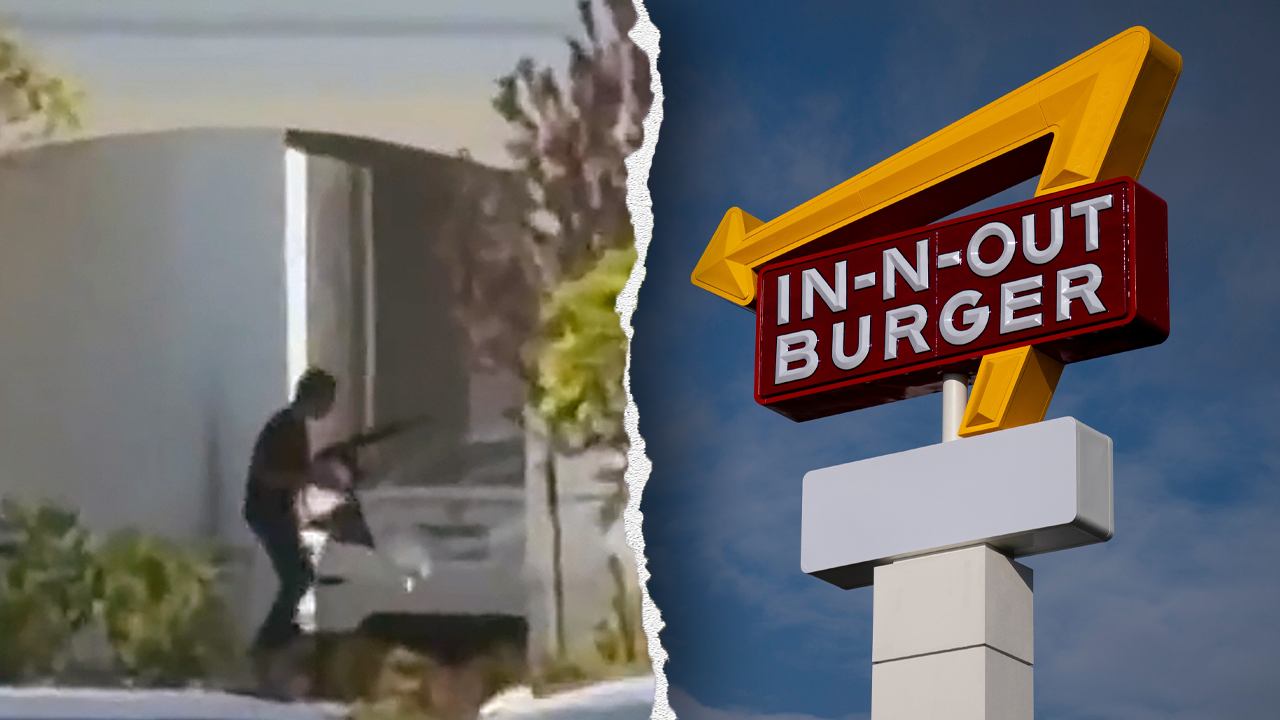
Twin Falls, Idaho, a scenic city famous for its dramatic canyon views, the roaring Shoshone Falls, and a deep-rooted sense of rural safety and community pride, became the unlikely epicenter of a horrific tragedy on what should have been an ordinary, sun-drenched Saturday afternoon. At approximately 2:30 p.m., this tranquil atmosphere was violently shattered at a local In-N-Out Burger. The restaurant, a beloved and bustling gathering spot located near the Twin Falls Visitor Center, was filled with the warm hum of weekend life—families enjoying lunch together, friends catching up, and travelers stopping for a quick meal before exploring the nearby natural wonders. In an instant, the comforting sounds of laughter, sizzling grills, and clinking glasses were replaced by the terrifying, unmistakable crack of gunfire, throwing the entire establishment into immediate and utter chaos. Patrons and employees alike were thrust into a desperate, terrifying fight for survival, diving under tables, barricading themselves in restrooms, and fleeing through emergency exits as panic rippled through the dining room and into the surrounding parking lots. The Twin Falls Police Department quickly issued an urgent warning, pleading with residents and visitors to completely avoid the area so that emergency personnel could navigate the rapidly unfolding crisis. Twin Falls Police Chief Matthew Hicks would later describe the active shooter scene as “very chaotic,” a stark reflection of the terror, confusion, and raw fear that gripped innocent bystanders as multiple law enforcement agencies rushed toward the danger, their sirens echoing against the canyon walls in a frantic bid to restore order and save lives.
In the agonizing hours that followed the initial response, the immediate panic of the shooting gave way to a heavy, somber silence as first responders worked to secure the area and assess the devastation left in the gunman’s wake. During an emotional press conference, Chief Hicks delivered the devastating news that the incident had resulted in multiple fatalities, including the suspected gunman himself, whose body was discovered nearby on the scene. The weight of the tragedy was visibly etched on the faces of the officials as they explained that they were still in the early, painful stages of identifying the deceased and notifying their next of kin before releasing an exact death toll or any identifying information to the public. For the families of those caught in the crossfire, this period of waiting represented an unimaginable cruelty, a suspense filled with frantic phone calls, unanswered text messages, and a desperate hope that their loved ones were safe. Meanwhile, at the local hospital, medical teams worked tirelessly to treat several other individuals who had sustained injuries during the frantic rush to escape the violence. This quiet, agonizing wait for confirmation cast a pall over the entire city, as a community known for its safety and tight-knit warmth found itself thrust into a collective nightmare, waiting to learn the names of the neighbors, friends, or family members who would never be coming home.
The profound human toll of this tragedy extends far territory beyond the physical casualties, leaving deep, invisible scars on the hundreds of witnesses who lived through the horror of the afternoon. Chief Hicks highlighted the sheer scale of the psychological trauma by noting that investigators were interviewing “literally hundreds of people” who were in the immediate vicinity of the restaurant when the shooting occurred, each carrying a unique and terrifying perspective of the violence. These witnesses, ranging from young children out for a weekend treat to teenage restaurant employees working their weekend shifts, must now grapple with the overwhelming emotional aftermath of having their sense of safety violently stripped away in a place that had always felt completely secure. To support local authorities in managing such a massive, sensitive investigation, federal agencies including the Federal Bureau of Investigation (FBI) and the Bureau of Alcohol, Tobacco, Firearms and Explosives (ATF) joined the effort, bringing specialized resources to help piece together the chaotic timeline. The sight of federal agents and local police meticulously combing through a popular fast-food restaurant—a space normally associated with joy, comfort, and community—served as a haunting visual metaphor for how easily the normalcy of daily life can be shattered by a single, senseless act of violence.
As news of the tragedy rippled outwards from Twin Falls, a powerful wave of collective grief, solidarity, and political reflection swept across the state of Idaho, prompting leaders to call for unity and spiritual support. Idaho Governor Brad Little took to social media to express his deep sorrow, urging all Idahoans to join him in keeping the entire Twin Falls community, its residents, and the courageous first responders in their prayers as they navigated the immediate aftermath of the active shooter situation. He emphasized the critical importance of cooperation, asking the public to respect the boundaries established by law enforcement so that investigators could do their vital work without hindrance. Similarly, Idaho Attorney General Raúl Labrador monitored the unfolding crisis closely, offering his own prayers and acknowledging the coordinated, tireless efforts of the Twin Falls Police, the Idaho State Police, and the dedicated fire and paramedic crews who remained on the scene to secure the streets and care for the wounded. These official messages of support highlighted a shared cultural resilience, reflecting a deep-seated belief that even in the face of unimaginable darkness, the strength of the community lies in its ability to come together, support one another, and find solace in shared faith and mutual care.
Beneath the immediate expressions of grief lies a deep, unsettling void left by the complete lack of answers regarding the identity and motivations of the deceased gunman, leaving a traumatized community to search for meaning in a seemingly senseless act. Because the suspect is dead, investigators are faced with the painstaking challenge of working backward, diving into the individual’s history, personal relationships, and digital footprint to uncover what could have triggered such devastating violence in a quiet Idaho town. Chief Hicks sought to offer some small measure of reassurance to the public by confirming that the active threat to the community was over, but the physical safety of a resolved crisis does little to quiet the deeper, existential anxiety that arises when the “why” remains entirely unanswered. The absence of a clear motive leaves the public to grapple with the terrifying reality that such violence can erupt without warning, turning a routine Saturday lunch into a historical tragedy. As federal and local authorities continue their meticulous work, analyzing physical evidence and cross-referencing hundreds of witness statements, the search for answers becomes a vital component of the town’s collective healing process—a necessary, albeit painful, attempt to understand the incomprehensible and find a path forward.
As the sun set over the dramatic landscapes of Twin Falls and the flashing emergency lights began to fade into the quiet Idaho night, the community began to confront the long, difficult road to recovery that lies ahead. Chief Hicks captured the profound heartbreak of the moment, describing it simply as a very hard, tragic day for Twin Falls—a sentiment that echoed through every household, business, and place of worship in the area. In the coming weeks and months, the physical barricades around the In-N-Out Burger and the Twin Falls Visitor Center will inevitably be removed, and the routine hum of traffic will return to the streets, but the emotional landscape of the town will remain permanently altered by the lives lost and the innocence shattered. The true measure of Twin Falls’ resilience will be found not in a rapid return to business as usual, but in the tender, enduring ways neighbors choose to support one another through the long process of grieving and rebuilding. By holding vigils, supporting the injured, comfortingly embracing the families of the victims, and standing united against the paralyzing grip of fear, the people of Twin Falls will slowly begin to reclaim their community, transforming a site of unspeakable tragedy into a symbol of enduring hope, compassion, and unbreakable human connection.