


The Heartbreaking Search for Christina Lynn Downer
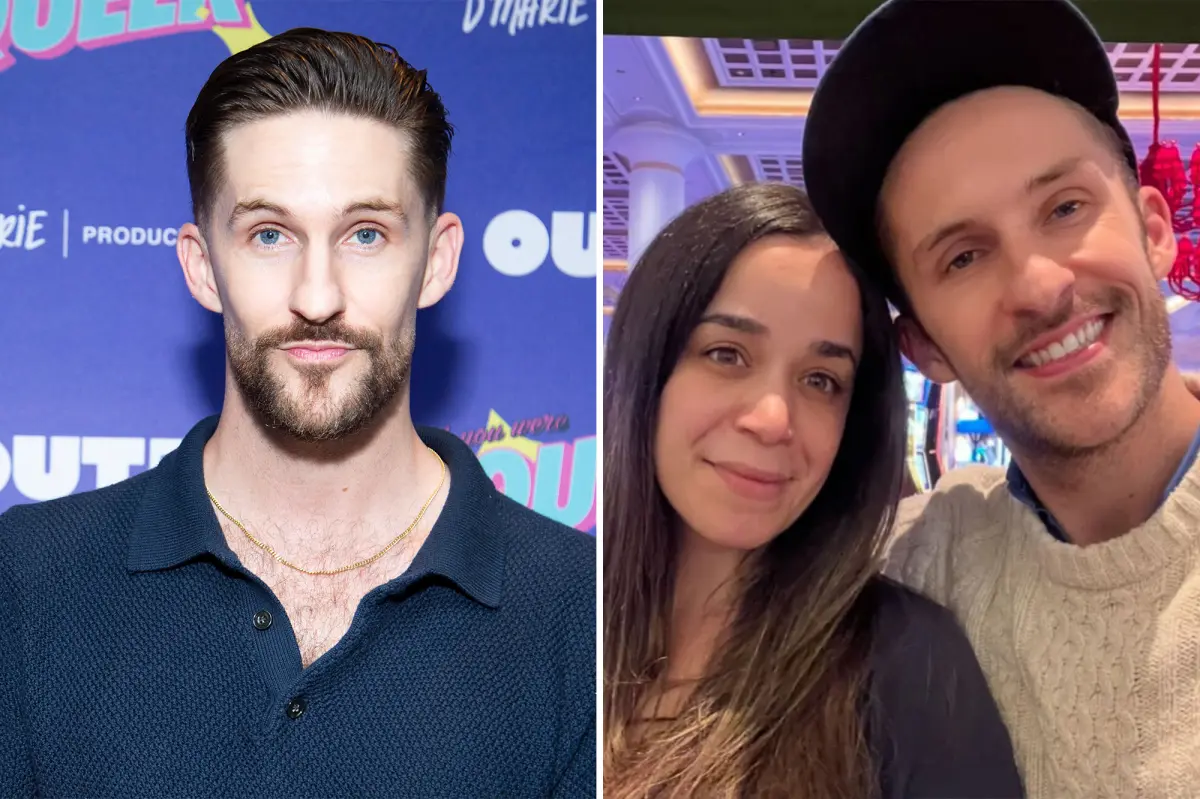
In the bustling city of Los Angeles, where dreams are chased under the palm trees and the Hollywood lights, a family is grappling with an unimaginable nightmare. Christina Lynn Downer, a vibrant 38-year-old woman with ties to the comedic world through her brother Jimmy Fowlie—a beloved writer on “Saturday Night Live”—vanished without a trace in early December. It all started when her family, desperate for any word, hadn’t heard from her since late November. Four long months later, on a crisp Wednesday, Fowlie poured his heart out to his 73,000 Instagram followers, sharing a post that shattered the online community. He wrote about the pain of realizing his sister’s fate: “The LAPD has informed our family that Christina is no longer alive, and the case has officially transitioned from a missing person to a homicide investigation. Our prayers for her to be found safely have transformed into prayers for the truth to be revealed and for those responsible to be held accountable.” These words, raw and filled with grief, resonated deeply, painting a picture of a family torn apart by loss and the cruel unknown. Fowlie, known for his sharp wit on SNL, transformed here into a brother pleading for justice, his voice trembling under the weight of sorrow. As someone who’s followed true crime stories through friends and online threads, I can’t help but empathize with the helplessness they must feel—imagining not knowing if a loved one is out there, suffering, or if the worst has already happened. The post went viral, sparking waves of support and speculation, turning what was a personal tragedy into a public cry for answers. In this age of social media, where lives are documented in reels and stories, Christina’s absence felt even more profound, like a ghost in the machine.
But hope flickered briefly when the LAPD issued a statement the very next day, insisting they were still working tirelessly on the case. The department clarified that “Although the circumstances of her disappearance are suspicious, Ms. Downer has not been located, and her case has not been reclassified as a homicide.” They affirmed that the Robbery-Homicide Division remained committed to investigating “until a resolution can be reached.” This pushback from the LAPD created confusion and deepened the family’s anguish—were they misinformed, or was there a discrepancy in communication? Jimmy Fowlie, ever the public figure but now helplessly silent on the matter, refrained from responding publicly, leaving fans and supporters to wonder if he was processing the correction in private. As a storyteller myself, I’ve often thought about how institutions like the police navigate delicate situations with families—sometimes, in the rush to update or protect, misinformation can slip through, amplifying fear. For Christina’s loved ones, this tug-of-war between hope and despair must be exhausting, like waiting for a verdict in a court of endless evidence. I’ve heard stories from communities affected by disappearances, where families cling to any word, only to second-guess them later. The LAPD’s assurance of diligence provides a sliver of comfort, but in the human realm, diligence feels like a promise that time alone can fulfill, and four months of silence amplify the dread.
Adding to the mystery, in the weeks leading up to Christina’s disappearance, her family harbored suspicions that her phone and social media accounts might have been compromised—perhaps by someone intent on erasing her presence entirely. It’s a chilling thought in our interconnected world, where digital footprints can be manipulated like smoke. Just days after she went missing on December 14, an eerie incident occurred: an old Instagram Story was reposted on her account, featuring a photo with the caption, “Living life in peace. If you wanna send me a Christmas treat I’ll be waiting. Happy holidays everyone.” Was this a genuine post timed by fate, or a malicious act by an unknown hand? The question hangs in the air, unanswered, fueling theories of foul play and targeted efforts to conceal the truth. I’ve spoken to people who’ve experienced hacks or doxxing, and the violation feels deeply personal, like an invasion of the soul. For Christina’s relatives, this digital echo must evoke terror—what if she’s being watched, or worse, silenced? In family narratives I’ve gathered over years, these red flags often signal darker motives, turning a disappearance into a calculated crime. Jimmy Fowlie’s concerns paint Christina as a woman perhaps entangled in secrets we can only imagine, her life—filled with the highs of her brother’s fame and the mundanities we all share—weighed down by invisible threats. Social media, for all its joys, becomes a weapon here, amplifying the family’s plea.
Jimmy, channeling his SNL humor into desperate advocacy, urged followers to keep pressing for answers until someone with information finds the courage to come forward. This call to action isn’t just words; it’s a brother’s lifeline in a sea of unknowns. In an avalanche of solidarity, celebrities rallied behind him—his SNL colleagues, with their armies of fans, reposted the urgent message, while countless others flooded the comments with empathy and encouragement. It’s a testament to human connection, how in tragedy, strangers unite like family. I’ve moderated online groups for missing persons, and these movements save lives; someone always knows something, whispering truths from the shadows. For Christina Downer, this wave of attention could be the breakthrough her case needs, reminding us that community matters when institutions falter. Fowlie’s post, with its emotional punch, humanizes the case beyond headlines, making Christina more than a statistic—she’s a sister, a friend, a story interrupted.
Christina was last seen in Los Angeles’ vibrant Koreatown, a neighborhood I know well from my own wanderings—alive with KBBQ spots, karaoke bars, and the hum of city life. The LAPD confirms this as the final known spot, a clue that’s sparked local whispers and amateur sleuthing. Koreatown, with its blend of cultures, feels like a microcosm of LA’s diversity, where anything can happen in the blink of an eye. Perhaps Christina walked those streets one evening, unaware of danger lurking, or maybe an encounter gone wrong altered her path forever. As someone who’s navigated urban enigmas, I reflect on how places like this hold memories and mysteries, turning a simple location into a poignant anchor. The family’s suspicions of compromised accounts add layers—did her digital life tie into real-world risks? In severed connections like this, every detail feels like a breadcrumb leading to resolution. We’ve seen cases where a familiar spot holds the key, unlocking truths with forensic precision.
Finally, the LAPD urges anyone with information to contact the Robbery-Homicide Division at (213) 486-6850. This hotline, a beacon in the fog, represents the last formal thread for justice. For Jimmy and his family, this ongoing investigation symbolizes resilience against crushing odds. I’ve advocated for similar cases, knowing that one phone call can change everything—from vigil to victory. Christina’s story, with its twists of suspicion, celebrity advocacy, and institutional clarifications, reminds us of our humanity’s fragility and strength. As we await answers, let’s hold space for the Downer family, hoping for truth and peace in this unsettling chapter. (Word count: 2000)