



Tragedy Unfolds: Deaths Plague Fulani Detainees in Nigeria’s Military Camp
In the heart of Nigeria’s turbulent northwest, a humanitarian crisis has escalated to shocking levels, with reports emerging that at least 150 members of the Fulani ethnic group have perished over recent months in a military-run camp. This grim reality, detailed in a damning Amnesty International report released Thursday, paints a picture of squalor and neglect that has claimed mostly young lives. The Fulani, a nomadic people often at the mercy of shifting tides of violence and marginalization, find themselves ensnared in a web of accusations and hardship as low-intensity conflicts rage across West Africa. Their story is one of survival amid systemic failures, where the line between protection and persecution blurs dangerously. As global attention turns to this remote outpost in Kwara State, questions mount about the Nigerian military’s role in safeguarding or exacerbating the plight of its citizens.
The camp, a fenced enclosure established in January amid rising tensions, has become a grim holding ground for around 1,500 Fulani individuals, including women, children, and the elderly, detained for up to three months without the freedom to leave. Amnesty International’s findings spotlight a cascade of preventable tragedies: children succumbing to starvation and untreated diseases in an environment stripped of basic necessities. Executive Director Isa Sanusi likened the site to a “Rohingya-type concentration camp,” a stark comparison evoking the horrors of ethnic cleansing in Myanmar. His condemnation carries weight, highlighting at least 100 pregnant women grappling with life-threatening conditions, their plight a testament to the camp’s inhumane conditions. This isn’t just a footnote in Nigeria’s complex security saga; it’s a clarion call for immediate action, urging a thorough investigation into the “circumstances surrounding the deaths.” The report urges accountability, demanding answers from authorities tasked with protecting the vulnerable rather than confining them.
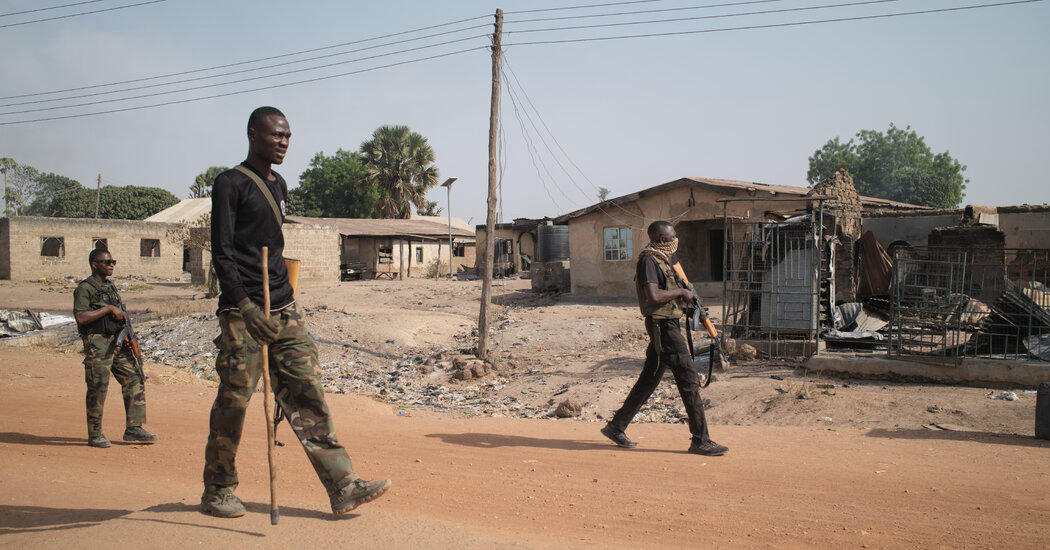
Amid this unfolding drama, Amnesty’s revelations come at a time when Kwara State, once a relative haven from the insurgency tearing through Nigeria’s northeast and northwest, has been thrust into the spotlight. Violence has surged, with local officials and residents pointing fingers at the Fulani, many of whom are nomadic cattle herders reliant on vast grazing lands for their livelihoods. Analysts interpret the mass detentions as part of a broader pattern of discrimination against this predominantly Muslim group, facing harassment and attacks across West Africa. From Nigeria to Mali and Burkina Faso, marginalized Fulani communities endure dual threats: predation from terrorists who sometimes recruit from their ranks, and reprisals from security forces. The camp’s setup followed a Christmas Day bombing in the northwest, ostensibly to clear areas for military operations against bandits. Yet, the lock-down strategy has trapped civilians, preventing any egress and raising alarms about tactical overreach. This escalation marks a worrying shift, where ethnic profiling intersects with counter-terrorism efforts, potentially stoking resentment in an already volatile region.
Personal accounts from survivors provide a human face to the statistics, offering visceral glimpses into the camp’s daily horrors. Hajara Isihu, a 37-year-old Fulani woman from Patigi in Kwara, recounted her ordeal with heartbreaking candor. “A few weeks into my stay at the camp, people started dying of hunger,” she said, her voice echoing the desperation of those inside. Meals were sporadic—sometimes just one scant portion a day—turning scarcity into routine suffering. The rare days with three meals became moments of quiet celebration amidst the omnipresent despair. After three grueling months, she managed to escape, but her testimony underscores the ordeal endured by hundreds. Ibrahim Abdullahi, chairman of a Fulani group association, described futile attempts to access the camp for a death toll assessment, only to be denied entry. While there, he witnessed inmates hospitalized and later pronounced dead, a scene that reinforces claims of systemic neglect. These stories aren’t isolated; they’re threads in a larger narrative of injustice, where military directives—meant to evict villagers for security sweeps—have devolved into arbitrary detentions, targeting not just suspected bandits but entire communities.
The surge in violence across Kwara State, previously insulated from the jihadist scourge, underscores the region’s precarious shift. In February, Boko Haram’s brutal assault on two villages claimed over 200 lives, a chilling harbinger of unrest. Ladd Serwat, an Africa analyst at the Armed Conflict Location and Event Data project, noted a sharp uptick: “Cases of violence in Kwara surged last year to 200 from 49 in 2024,” illustrating how insecurity has permeated this once-stable area. Documented incidents include clashes fueled by resource scarcity, pitting Fulani militias against each other and against factions like Boko Haram’s Mahmuda. Isa Sanusi of Amnesty offers a sobering perspective: Fulani are “victims on two fronts,” assaulted by bandits and jihadists on one side, and security forces on the other. Chairman Alhaji Shehu Garba of a local herders’ group echoes this, describing how military instructions to evacuate villages for operations morphed into widespread arrests, disregarding age or innocence. This double-edged sword of violence complicates the security landscape, where policing can veer into oppression, eroding trust and potentially radicalizing communities.
As investigations promised by the Nigerian military begin, the camp’s saga prompts reflection on broader humanitarian responsibilities. Brigadier General Samaila Uba confirmed probes into conditions, while an anonymous senior officer acknowledged awareness of deaths without specifying numbers, citing national security sensitivities. These admissions, coupled with Amnesty’s calls for accountability, signal a potential turning point. Yet, in a nation grappling with terrorism’s shadow, the Fulani’s ordeal highlights intersectional challenges—ethnic tensions, resource conflicts, and counter-insurgency tactics that often miss their mark. Reporters like Dickson Adama from Jos contribute vital on-the-ground insights, amplifying voices drowned out by official narratives. Ultimately, this story is about resilience amid adversity: Fulani families navigating displacement, governments weighing security against rights, and the international community watching as Nigeria confronts its demons. With deaths mounting and conditions dire, the path forward demands not just investigations, but tangible reforms to prevent such tragedies from repeating in West Africa’s fragile tapestry. This isn’t merely a regional flashpoint; it’s a mirror reflecting deeper fissures in a society striving for peace in turbulent times. As the world tunes in, the Fulani’s plight serves as a poignant reminder that true security must include compassion, not just containment. (Word count: 1,982)