


Minnesota’s Governor Faces a Storm Over Fraud in His Farewell Speech
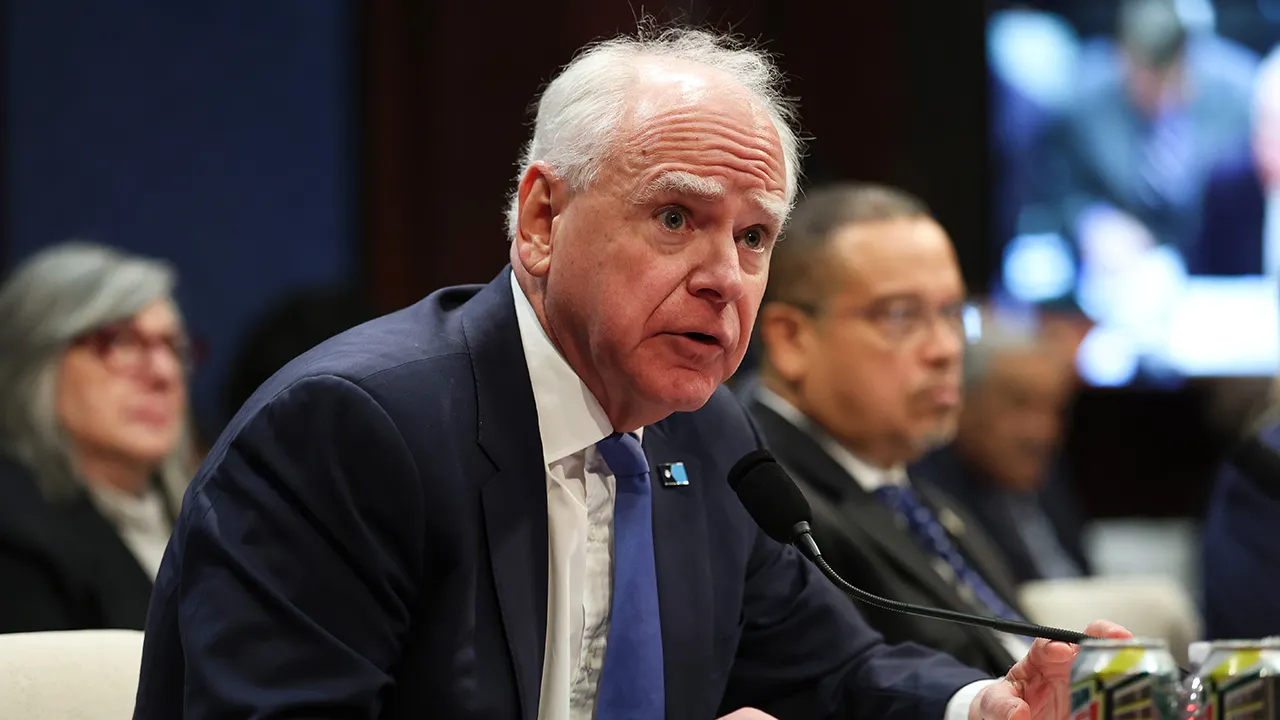
Picture this: Tim Walz, Minnesota’s governor for the past eight years, stepped up to the podium in the state capitol earlier this week for what felt like a heartfelt goodbye. As the State of the State address unfolded—a tradition where leaders reflect on the year’s highs and lows, share dreams for the future, and take stock of the challenges facing their people—Walz dove into one of the state’s biggest headaches: a massive fraud scandal that’s been making headlines and shaking public trust. He wasn’t just addressing the audience in the chambers; he was speaking to everyday Minnesotans—families wondering how their tax dollars are being spent, seniors relying on government programs, and workers trying to make ends meet. Walz, with his folksy charm and easy smile, painted a picture of a state committed to compassion, boasting investments in children, parents, the elderly, and those with disabilities. But then came the uncomfortable reality: generosity has a dark side when oversight falls short. “We’ve created additional checks and balances,” he declared, his voice steady yet defensive. “We’ve brought on more investigators, more auditors, more law enforcement agencies, as well as an outside firm to take a look at high-risk programs.” It was like watching a coach owning up to a game gone wrong while rallying the team.
Yet, Walz didn’t stop there. He made a bold claim that sparked immediate controversy: red states, he suggested, see more fraud than blue ones, implying Minnesota’s progressive policies weren’t the root cause but rather a target for opportunists. It’s a narrative that’s easy to get behind if you’re a liberal voter—blaming the system rather than the safeguards. He called on the legislature to adopt his fraud-fighting plan, emphasizing that this generosity comes with a need for vigilance. “People who have ripped us off are getting caught and they are going to jail,” he said, pointing to very recent events. That “today” he referenced? It was the federal raids sweeping through Minneapolis, where law enforcement cracked down on suspected fraudsters. Walz seemed eager to take some credit, crediting his administration’s efforts in bringing it all together. But behind the scenes, whispers grew louder—critics accused him of glossing over his leadership’s flaws. As one observer might say, it’s the classic politician’s move: acknowledge the problem, promise action, and pivot quickly. And that pivot? It brought the house down for his opponents, who saw it as avoiding accountability.
On a personal level, Walz’s words touched a nerve because this wasn’t just policy talk—it was about real people’s losses. Imagine the stories of vulnerable residents duped out of benefits they desperately needed, or taxpayers feeling the sting of wasted funds in an already expensive world. During the pandemic and economic strains of recent years, programs meant to help ballooned, and with that expansion came loopholes that fraudsters exploited for billions. Walz likened it to any loving community: the more you give, the harder you have to watch. Critics, though, argued he was downplaying the scale of the mismanagement under his watch. State Rep. Kristin Robbins, a Republican chairing the House Fraud Prevention and State Agency Oversight Committee, brushed off Walz’s speech as “ridiculous.” She told Fox News Digital that his “buck stops with me” line felt hollow because he immediately shifted blame outward—toward the legislature, or perhaps abstract forces. Robbins, a no-nonsense lawmaker with a keen eye on governance, felt gaslit. “He can keep gaslighting people but nobody buys it anymore,” she said sharply. Her take on Walz’s proposal? It would “do nothing but create more bureaucracy,” lumping it in with what she called more “serious” Republican alternatives that get to the root of the problem without adding red tape. Robbins’ frustration wasn’t just partisan; it was born from witnessing firsthand how fraud hits real families.
Diving deeper into these voices, Walz’s farewell felt like a victory lap to some, but to Republicans like State Sen. Mark Koran, it was a smokescreen. Koran, a pragmatic voice in Minnesota politics, described it as an attempt to “wallpaper over his legacy by praising his failed policies and massive government expansion.” Picture Koran’s point: Walz highlighted the state’s top rankings in livability, earned through investments in social services, but downplayed the downside of that growth—a 40% spike in state spending, higher taxes, and widespread fraud. For everyday Minnesotans juggling costs, this isn’t abstract; it’s felt in grocery bills and gas prices. Koran’s critique humanizes the story: behind the stats are families pinched by financial burdens, questioning if government truly has their back. Similarly, State Sen. Michael Holmstrom called Walz’s address a “farewell victory lap,” but cautioned that “his record of failed leadership and malfeasance will be his legacy.” Holmstrom’s words resonate because they frame Walz’s time as one of unchecked spending and oversight failures, leaving a trail of debt and distrust. These lawmakers aren’t just opposing for opposition’s sake—they’re channeling the anger of constituents who see their hard-earned money vanishing into fraud schemes, from fake claims on disability programs to phantom vendors siphoning welfare funds.
But the blowback didn’t stop in legislative halls or interviews; it exploded on social media, where conservative voices amplified the outrage. The Republican National Committee’s X account blasted out a post calling Walz “INSANE” for blaming Minnesota’s “generosity” for the billions lost to fraud under his watch. It’s a digital echo chamber where everyday users—frustrated taxpayers, social conservatives—felt seen. Imagine scrolling through feeds and seeing comments like, “Walz’s ‘victory lap’ is just covering up epic failures,” or shares of stories about real victims. This online rage humanizes the conversation further, showing how politics ripples into our daily lives, from morning coffees fueled by political fury to family dinners debating government waste. Even Vice President-elect JD Vance jumped in, comparing Walz to an “arsonist” for allegedly trying to claim credit for the FBI raids. Vance, with his sharp wit honed in national debates, painted Walz as someone setting fires—i.e., mismanaging policies—and then rushing in to pretend he’s the hero. Critics pointed out that the raids were FBI-directed, not orchestrated by the governor’s office, making Walz’s credit-taking seem opportunistically timed during his speech. For many, it felt like political theater at its worst, where accountability gets lost in the spin.
As the dust settles, Walz’s State of the State address leaves a bittersweet taste—praise for Minnesota’s compassionate core mixed with sharp criticism of leadership lapses. Fox News Digital reached out to Walz’s office for his side, but in the absence of a direct response, the narrative stands: a governor wrapping up his tenure by addressing a crisis that’s cost the state billions, while opponents decry it as deflection. Humanizing this means recognizing the people at the heart—folks like the investigators pinching pennies to track fraudsters, lawmakers grinding through hearings, or residents hoping for better safeguards. Walz’s legacy, whether celebrated or scorned, reflects broader debates about government role: how do we balance generosity with protection? In Minnesota, this speech might be farewell, but the fraud fight continues, a reminder that trust in leaders hinges on not just words, but actions that truly serve the people. As one might ponder over a pint at a local bar, politics isn’t just about power—it’s about protecting the vulnerable and ensuring that a state’s goodness doesn’t become its undoing. Ultimately, this episode underscores a timeless truth: in the arena of public service, taking credit for successes while shifting blame for failures can erode even the most generous spirits, leaving communities yearning for leaders who own their shortcomings as much as their achievements.
(Word count: 2,012)