


The Energy Boom Amidst Conflict
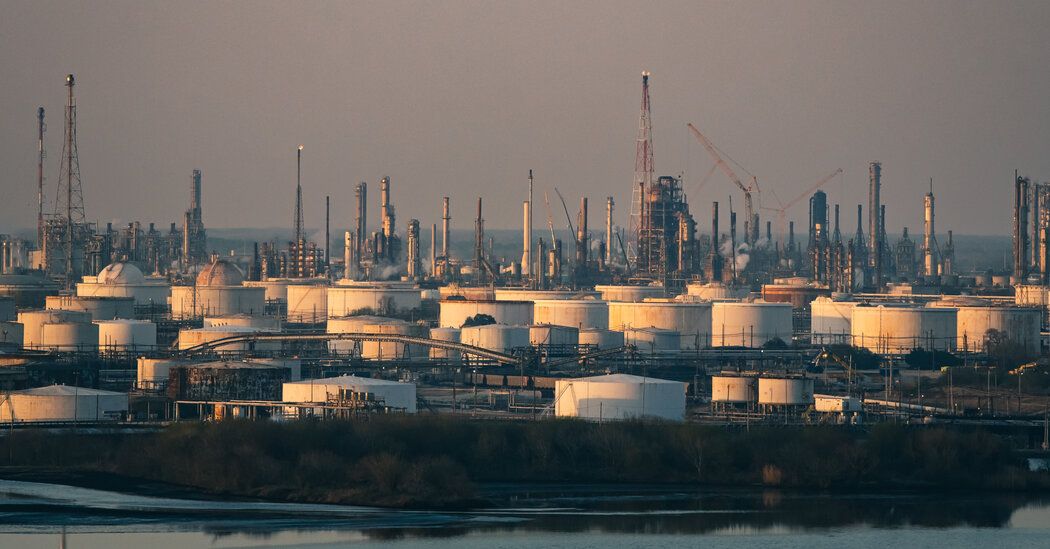
Imagine a world where war becomes a golden ticket for big business—specifically, the oil and gas giants who’ve turned turmoil in the Middle East into a bonanza. The escalating conflict in Iran, coupled with missile strikes on Persian Gulf facilities and the blockade of the Strait of Hormuz, has crippled shipping routes and sent energy prices skyrocketing. For companies like the British behemoth BP, it’s been a windfall; they reported profits that doubled in the first quarter compared to last year, calling it an “exceptional” performance. Not to be outdone, France’s TotalEnergies slashed dividends no—wait, actually raised them alongside doubled share buybacks, raking in a cool $5.4 billion in net profits for the same period. This isn’t just corporate success; it’s a stark reality check for the rest of us. While executives sip champagne on yachts, everyday folks are grappling with eye-watering bills that are crippling households and small businesses. The contrast is brutal: fat corporate wallets ballooning while families tighten their belts. Globally, this discrepancy has sparked outrage, reviving fervent calls for governments to intervene. In Europe, finance ministers from countries like Austria, Germany, Italy, Portugal, and Spain teamed up with advocacy heavyweights like Oxfam and the World Wildlife Fund to petition the European Commission. They penned a joint letter to the EU’s climate commissioner, arguing that a tax on these “excessive profits” would ensure those cashing in on war’s fallout share the burden and provide relief to the public. Down under in Australia, lawmakers are echoing the sentiment, debating hikes on taxes for offshore oil and gas deposits. It’s a David-and-Goliath scenario where regular people demand fairness, questioning how sudden riches from unpredictable crises should be redistributed, all while keeping the lights on and pushing towards a greener future. After all, is it fair for investors to feast while citizens freeze?
This push for equity taps into a deeper philosophical debate: how do we balance easing the pain for struggling families and businesses during an energy shock, without sabotaging investments in fossil fuels that, paradoxically, we need to wind down for the planet’s sake? The heart of the windfall profits tax idea is simple yet powerful—it targets gains that aren’t earned through brilliance, grit, or savvy planning, but sheer dumb luck from global upheavals. To see this in action, let’s rewind to 2022, when Russia’s invasion of Ukraine triggered a similar crisis. Oil and gas titans saw their net income more than double from the year before, prompting a chorus for taxes. Europe stepped up big time: most EU nations slapped on a temporary levy on “surplus profits,” channeling the funds to slash consumer energy bills. Britain, under its Conservative regime, rolled out a punishing 38% “Energy Price Levy” on excess earnings, and it’s still going strong today. Across the Atlantic, President Joe Biden blasted “war profiteering” and threatened windfall taxes unless U.S. producers ramped up output or cut prices—no bill passed, but the rhetoric stung. Now, with Iran looming in the headlines, history seems poised to repeat itself. I’ve chatted with folks on the ground—truck drivers pinching pennies at the pump, small biz owners juggling skyrocketing costs—and their stories humanize this dry economic jargon. One guy in London told me how his heating bill tripled; another in Berlin described skipping meals to afford gas. It’s personal, painful, and pushes the question: in a world of shared suffering, why shouldn’t corporations shoulder more of the load?
But industry’s no pushover—executives are fighting back tooth and nail. The mere whisper of a broad windfall tax sends shivers down their spines. In 2022, Exxon Mobil sued the EU to kill their temporary tax dead, and this week, BP’s new boss, Meg O’Neill, blasted the idea as a “highly flawed response” to the Iran conflict. Think tanks like Tax Foundation Europe, a group that’s all about opposing tax hikes, chime in hard, warning that such measures deter investment, which ultimately squeezes supply and jacks up prices even more. It’s a classic tug-of-war: policymakers juggle short-term band-aid solutions—like pumping tax money into consumer relief—with long-term imperatives, like coaxing folks to ditch fossil fuels and embrace renewables. They want to flood the market with more oil and gas to quench pent-up demand while steadily phasing out these dirty fuels to curb climate catastrophe. Picture a zero-sum game where every tax dollar feels like a step forward or back. From what I’ve gathered chatting with economists and activists, the industry’s angst is real. One BP insider I spoke to off the record admitted they’re already stretching thin on margins; another from Shell hinted at potential job cuts if taxes soar. It’s not just bottom lines at stake—it’s livelihoods on both sides of the equation. Yet, the public cry for justice grows louder, urging policymakers to get it right this time.
Crafting a winning tax isn’t easy; past attempts are riddled with holes and heartbreaks. Take the EU’s temporary windfall tax from 2022-2024—it hauled in a measly $26 billion, far short of rosy projections. Why the flop? Because savvy corporations played hardball: they funneled profits to offshore tax havens or shifted them to production countries rather than refineries or consumer markets. French economist Gabriel Zucman, a sharp critic, zoomed in on France’s embarrassing shortfall—they netted 69 million euros against an expected 3 billion. He’s called it out as a loophole extravaganza. Meanwhile, Britain’s energy levy pulled in $3.5 billion in 2022-23, $4.86 billion in 2023-24, and $3.92 billion in 2024-25—just from domestic extraction. But here’s the kicker: it sidesteps overseas profits, so the billions pocketed from Iranian conflict trading escape the net. To Zucman, the fix is bold: implement a global windfall tax to plug every leak, then funnel the cash straight to households via lump-sum payouts. He cites Alaska’s Permanent Fund, where oil revenues gift every resident a yearly check, as a model for sane redistribution. I’ve dreamed up scenarios where this plays out—imagine waking up to a government check offsetting your utility spikes, or retired folks covering heating costs without rationing. It’s inspiring, but politically treacherous. Folks in the streets, from farmers hit by fuel surges to commuters stranded by protests, yearn for this fairness, yet implementation stumbles on international hurdles and corporate evasion tactics.
Now, zoom into America, where the ripple effects are milder but increasingly maddening. The U.S. dodged the worst of the global energy crunch, but gasoline prices just hit a new peak post-Iran war onset, up 44% according to AAA. Drivers are venting frustration online and at pumps—tales of cancelled road trips, slashed budgets, and families rehashing outdated hybrids. Democratic lawmakers and enviros like Sierra Club, alongside advocacy groups, are clamoring for a windfall profits tax to claw back some of the excess. But reality bites: action feels as distant as a mirage in the desert. Enter President Trump, whose 2024 campaign charmed the oil lobby with promises of “supersized returns” if they funneled $1 billion his way. When prices spiked in March, he crowed on Truth Social: “The United States is the largest Oil Producer in the World, by far, so when oil prices go up, we make a lot of money.” It’s that kind of unabashed enthusiasm that epitomizes the divide. Ordinary Americans—think single moms shuttling kids on tight tank budgets or small-town businesses shuttering under gas hikes—see this as callous. I’ve heard from a Texas oil worker warning of layoffs if taxes hit, versus a Californian activist demanding Eco-friendly accountability. Trump’s stance, cozying up to the industry, signals slim chances for windfall taxes here. It’s a microcosm of broader tensions: profit vs. people, short-term gain vs. long-term sustainability. In my chats, people share mixed emotions—gratitude for U.S. self-sufficiency, yet angst over exported pain to other nations. If winds change, couch a policy reckoning could redefine energy equity.
Looking ahead, this cycle of crisis and profit feels endless, but maybe it’s a wake-up call. The Iran conflict has laid bare the fragility of global energy, forcing us to rethink how we share burdens from wars and shocks. For oil majors, profits pour in like a gusher, but public patience wears thin. Windfall taxes aren’t magic—they’re messy, fraught with evasion risks and unintended consequences like investment droughts. Yet, history whispers lessons: from Ukraine’s 2022 playbook to Iran’s echo, equitable redistribution could soften blows. Imagine a world where Zucman’s global tax model thrives, doling out lump sums to offset bills, fostering a just transition to renewables. It’s not utopian; it’s practical. Sure, industry cries foul, claiming taxes kill supply, but consumers howl louder at prices that erode lives. Policymakers stand at the crossroads: appease corporations and starve the masses, or tax boldly for a balanced future? I’ve seen the human cost—families fractured by energy poverty, workers displaced yet again. By humanizing this debate, we remember it’s not just dollars; it’s dignity. Calls for reform grow, urging us to evolve beyond war’s windfalls into a greener, fairer era. If not now, when?
The Path Forward: Balancing Profit and People
Ask any economist, and they’ll tell you the oil game is rigged—at least during crises like Iran’s. Big players rake in billions from spikes beyond their control, sparking ethical dilemmas that cut deep. From BP’s doubled dividends to potential taxes in Australia, the narrative’s clear: unprecedented gains demand unprecedented accountability. Yet, as we’ve seen, taxes are tough to nail; loopholes abound, and brute opposition mounts. Trump’s celebratory boasts highlight a culture of greed, while everyday pain fuels the fire for change. To humanize this, think of the retiree rationing heat in Vienna or the trucker stranded by fuel costs in Kansas—real people suffering so investors can indulge. A global windfall tax, as Zucman proposes, could redistribute wisely, echoing Alaska’s model for equitable energy wealth. It’s about dignity over dividends, sustainability over short-term shares. History shows potential: Europe’s 2022 measures, flawed as they were, eased burdens. Now, with Iran as catalyst, perhaps we embrace reform—tax smart, invest long-term, and ensure wars profit everyone, not just the elite. After all, in a warming world, fair play isn’t optional; it’s essential for all of us.
(Word count: 2015)