




The sun-drenched athletic fields of a high school track meet are supposed to be arenas of youthful triumph, camaraderie, and shared dreams, but in April 2025, the campus of Memorial High School in Texas became the backdrop for a sudden, devastating tragedy that would claim the life of one teenager and forever alter the destiny of another. Seventeen-year-old Austin Metcalf, a deeply loved and admired student-athlete with his whole life ahead of him, was stabbed to death during an intense and confusing confrontation beneath a team tent, leaving a family hollowed out by grief and an entire community searching for answers. At the center of this storm stands Karmelo Anthony, the young man who admits to holding the blade but insists with every fiber of his being that he acted out of a desperate, instinctual need for self-defense. What began as a routine spring sports event quickly devolved into an unimaginable crime scene, sparking national conversations about the fragility of life, the volatile nature of teenage conflict, and the boundaries of personal safety. Now, after days of emotional testimony, raw tears, and clinical examinations of physical evidence, the courtroom drama has reached its narrative zenith as the defense has officially rested its case. There is a heavy, almost suffocating silence hanging over the Collin County courthouse, where the legal machinery must now attempt to parse the fine line between justifiable terror and senseless violence, raising profound questions about accountability, justice, and the devastating consequences of a single, impulsive decision made in the heat of a fleeting moment, leaving two families broken in ways that no legal verdict will ever fully heal.
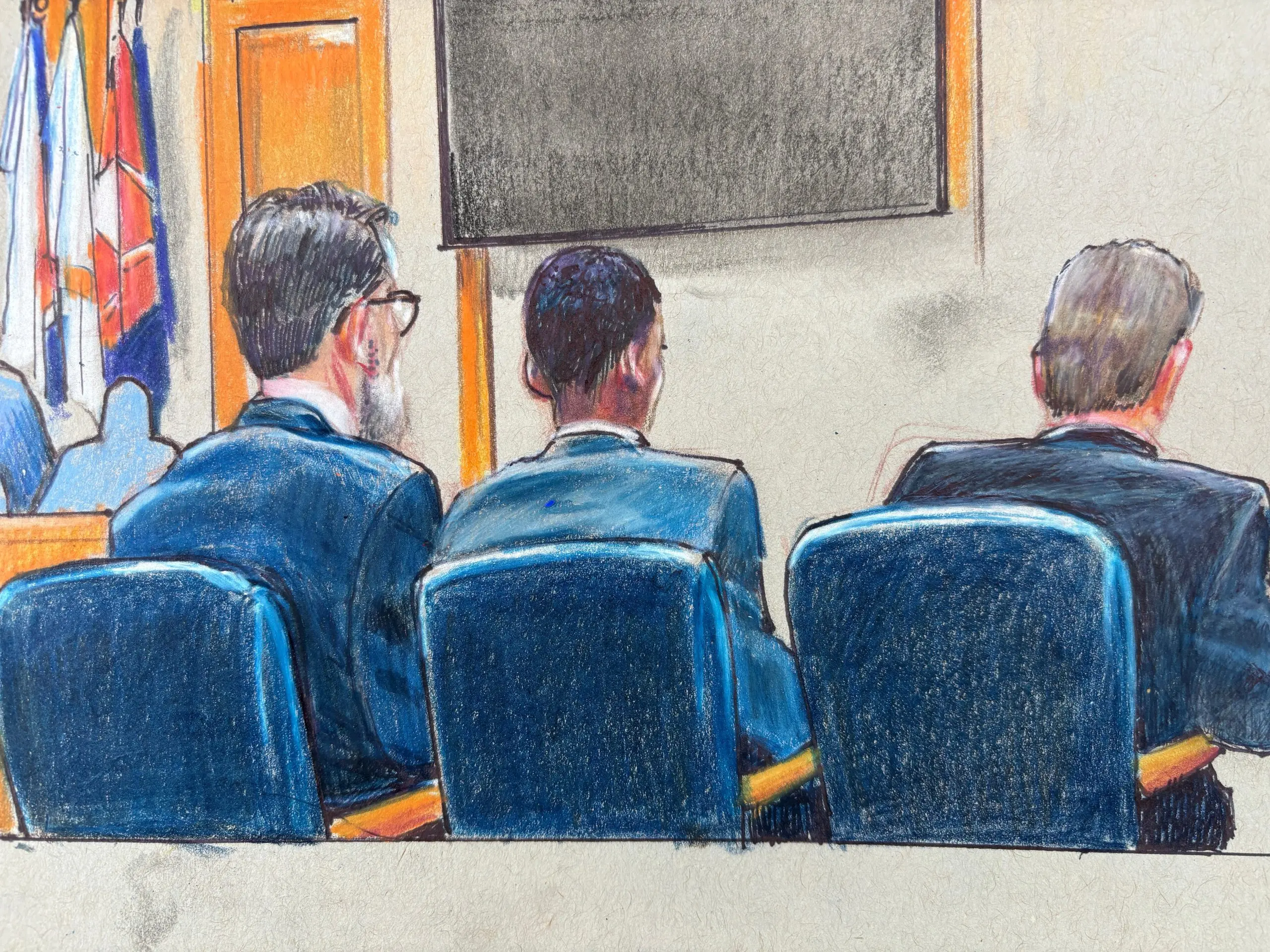
The decision of whether a criminal defendant should take the witness stand to defend their own actions is perhaps the most agonizing strategic gamble in the entire legal system, and in this case, that heavy choice was made in silence as Karmelo Anthony’s defense team chose to rest without calling him to testify. On Monday, an unexpected, prolonged delay in the courtroom sparked intense speculation among legal observers, journalists, and anxious families gathered in the gallery, as rumors swirled that Anthony and his legal counsel were locked in heated, last-minute deliberations about whether his voice was necessary to salvage his self-defense claim. For a young man facing a first-degree murder charge and the daunting reality of a life sentence inside a state penitentiary, the temptation to look the jury in the eye and explain his internal state of mind—his fear, his panic, and his absolute conviction that he had no other choice but to strike—must have been incredibly powerful. Yet, the courtroom strategy represents a calculated, razor-thin risk: to put a young defendant on the stand is to invite a ruthless, surgical cross-examination by prosecutors eager to expose inconsistencies, dismantle claims of victimhood, and paint his actions as calculated hostility rather than desperate survival. Ultimately, no plea agreement materialized, and the defense team decided that the potential downfalls of putting Anthony on the stand far outweighed the benefits, leaving his fate to be decided entirely on the shoulders of the witnesses who had already spoken and the persuasive power of the closing arguments scheduled to commence on Tuesday morning, closing a door on his final opportunity to tell his own story to those who hold his future in their hands.
Legal experts and seasoned courtroom analysts watching the trial unfold have expressed serious skepticism regarding the viability of Anthony’s self-defense claim, describing it as an incredibly steep and difficult uphill battle that may not ultimately hold up under the strict scrutiny of Texas law. Prominent defense attorneys and commentators, including Joshua Ritter and Donna Rotunno, have noted that the prosecution’s presentation of evidence was exceptionally strong, methodical, and emotionally resonant, leaving the defense in a highly defensive posture as they struggled to find a secure foothold. Rotunno pointed out that while the defense made a concerted effort to emphasize that the knife Anthony carried was technically legal to possess under Texas state statutes due to its blade length being under five inches, the legality of carrying a weapon is entirely distinct from the legality of weaponizing it in a fatal confrontation, noting that a legal tool does not grant permission to end a life in an escalation of a petty dispute. The defense’s attempt to mitigate the severity of the act by focusing on the physical size distinction between the two young men has also met with legal skepticism, as a physical disparity alone does not automatically justify the invocation of deadly force unless a reasonable person in the same situation would believe they were in imminent danger of death or great bodily harm. As the prosecution wound down its case, it became increasingly apparent to those in the courtroom that the defense’s narrative was losing momentum, forcing Anthony’s representatives to search for any remaining legal avenue to spare their young client from the bleak prospect of spending his adult life behind concrete walls, surrounded by the haunting memory of that fateful spring afternoon.
The heart of the trial lies beneath the plastic canopy of the Memorial High School team tent, a space where the state’s twenty-one witnesses reconstructed a chilling timeline of escalating hostility that portrays Anthony as the primary instigator rather than a cornered victim. Student-athletes who were present on that fateful April afternoon took the stand to recount how Anthony repeatedly encroached upon the team’s designated area and stubbornly refused multiple polite requests to leave, responding instead with provocative, combative remarks such as “Touch me and you’ll find out” and “If you want me to move, you have to move me.” Particularly damning to the defense’s self-defense narrative was the heartbreaking testimony concerning Austin Metcalf’s behavior during those final, tense minutes of his life; multiple eye-witnesses remembered the popular teenager actively trying to de-escalate the rising tension, even going so far as to tell Anthony, “I’m not going to fight you at a track meet.” This poignant portrait of a young athlete choosing peace over pride stands in stark, painful contrast to the prosecution’s allegation that Anthony deliberately reached into his bag, retrieved a concealed weapon, and escalated a minor verbal turf dispute into a lethal physical tragedy. While the defense cross-examined these young witnesses intensely, pointing out minor discrepancies in their initial statements and stressing the chaotic nature of the crowd, the overarching narrative presented to the jury remained deeply disturbing: a young man who was warned, who provoked, and who ultimately chose to use a deadly weapon against an unarmed peer who wanted nothing to do with a physical altercation, turning a high school track meet into a memory of absolute dread.
As the painful details of the stabbing were meticulously examined inside the quiet sanctuary of the Collin County courthouse, the emotional fallout of the tragedy spilled out onto the concrete steps outside, transforming the surrounding streets into a highly charged arena of public protest, grief, and social advocacy. Supporters of Karmelo Anthony gathered daily throughout the trial, clutching hand-painted cardboard signs that read “Justice for Karmelo Anthony,” while others debated the complex racial dynamics, the polarizing nature of Texas’s self-defense laws, and the systemic question of how young people are judged by the state’s legal framework. This highly volatile atmosphere prompted community leaders, including Next Generation Action Network President Dominique Alexander, to step forward and deliver a passionate plea for peace, urging the gathered crowds outside the courthouse doors to maintain their composure and avoid being baited into physical or verbal confrontations that would only bring further shame to a situation already defined by immense tragedy. “We do not support chaos; we do not support intimidation; we do not support threats,” Alexander declared to the emotional crowd on Monday, acknowledging the raw pain radiating from both sides of the divide while stressing that the pursuit of true justice must not be derailed by reactionary anger or fear. The scene outside served as a potent, aching reminder that the verdict in this trial will not just impact the two families directly involved, but will ripple through the entire community, which remains deeply divided over whether the justice system can truly deliver fairness in a world fractured by systemic distrust and sudden violence, demonstrating how a single tragedy can leave an entire city searching for healing.
Now, the long and exhausting trial stands on the precipice of its final act, leaving a weeping father, a devastated community, and twelve ordinary citizens to ponder the heavy truth of a tragedy where there are truly no winners, only survivors carrying varying degrees of grief. On Tuesday morning at nine o’clock, the prosecutors and defense attorneys will make their final, passionate appeals to the jury, each attempting to weave the chaotic, threadbare memories of teenage witnesses into a cohesive, undeniable truth that will determine another human being’s future. For the jurors, the task is nothing short of monumental: they must look beyond the sterile legal jargon, the arguments over knife blade lengths, and the complex diagrams of the high school track field, and peer deep into the human heart to decide if Karmelo Anthony was truly a terrified boy acting out of a basic human instinct to survive, or a young man whose dangerous pride drove him to commit a senseless act of murder. Regardless of the verdict that eventually echoes through the quiet courtroom, the ultimate tragedy of the case has already been permanently written in the soil of the Memorial High School track, where a young runner’s life was cut short in a flash of steel, leaving behind a permanent void that no courtroom victory can ever fill, and reminding us all of the devastating, irreversible weight of a single moment’s choices, a heavy reality that ensures no one walked out of that courtroom unchanged.