






The Ripple Effect of Conflict: How the Iran Crisis Threatens Africa’s Fragile Economy
In the shadow of escalating tensions between the United States and Iran, the world is grappling with a cascade of economic disruptions that hit hardest in the most vulnerable corners of the globe. For Africa, a continent already scarred by decades of dependency on foreign goods and wavering investments, the fallout from the war feels like a cruel amplification of existing woes. From soaring fuel costs to bottlenecks in global shipping, the standoff over the Strait of Hormuz has disrupted supply chains, sending shockwaves through economies that scrap and innovate to survive. Analysts warn that these tremors are not mere hiccups but a stark reminder of Africa’s structural vulnerabilities, forcing leaders and ordinary citizens alike to confront the urgent need for self-reliance. As fuel prices spike and access to essentials dwindles, nations across the continent are reckoning with how external conflicts can unravel the delicate fabric of development, highlighting a region where progress teeters on the edge of disruption.
The Strait of Hormuz, a vital artery for global oil flows, has become a flashpoint, with blockades and tariffs pushing fuel prices to dizzying heights. This surge, compounded by U.S. tariffs and the withdrawal of foreign aid under President Trump’s policies, has crippled African nations’ ability to import critical commodities—like medicines, fertilizers, and machinery—that underpin daily life and agriculture. Shipping routes stretched to their limits mean delayed deliveries and inflated costs, exacerbating food shortages and inflationary pressures. Experts point out that Africa’s heavy reliance on imported goods makes it a prime victim of such upheavals, far more so than its share of the global economy might suggest. “The continent’s dependence on the world’s supply chains leaves it exposed to volatility,” notes Abi Mustapha-Maduakor, CEO of the Africa Private Capital Association. With factories shuttered and ports congested, the war’s economic echo is turning Africa’s growth aspirations into a fight for basic stability, underscoring the imperative for bolstering domestic industries to weather future storms.
Amid this turmoil, a fragile cease-fire offers scant respite, as Africans brace for prolonged hardship. Families are rationing meals, farmers delaying plantings, and commuters facing empty gas tanks that halt livelihoods. In Malawi, for instance, Francis Kazembe, a 28-year-old taxi driver in Lilongwe, epitomizes the human toll. Once earning about $30 a day, his income has nosedived as fuel shortages force him to queue for hours—or even days—at stations, sometimes sleeping overnight just to secure a fill-up. “I’ve postponed my wedding because we can’t afford it,” he admits, recounting how failed earnings mean owing his boss for the cab’s use, leaving him broke. Such stories are multiplying across borders, where the war’s indirect blows magnify Africa’s pre-existing challenges, from inflation to unemployment. Governments, stretched thin by their own fiscal constraints, are scrambling for solutions, but the reality on the ground reveals a continent digging deep for resilience in the face of compounding crises.
Transitioning from personal trials to broader economic lifelines, the conflict has also squeezed remittances, a crucial flow of funds that sustains millions. Africans working in Persian Gulf states, many of whom have seen jobs evaporate amid the turmoil, send home billions annually—accounting for nearly 6% of the continent’s GDP in 2023, per United Nations data. With over 200 million dependents relying on these transfers, the interruption risks tipping families over the edge. In West Africa, Senegal and Gambia have curbed official travel to conserve resources, while Ghana slashed fuel taxes to mitigate rising pump prices. Yet, the strain is visceral: In Zambia’s southeast, diesel scarcities idled mills grinding corn into flour, compelling women to revert to manual labor with mortars and pestles. “It cuts into farming and childcare time,” explains Collins Mweemba, a local resident, illustrating how global events burden the backbone of rural economies. These adaptations, while resourceful, signal deeper fractures, as analysts fear political unrest could erupt from economic unrest.
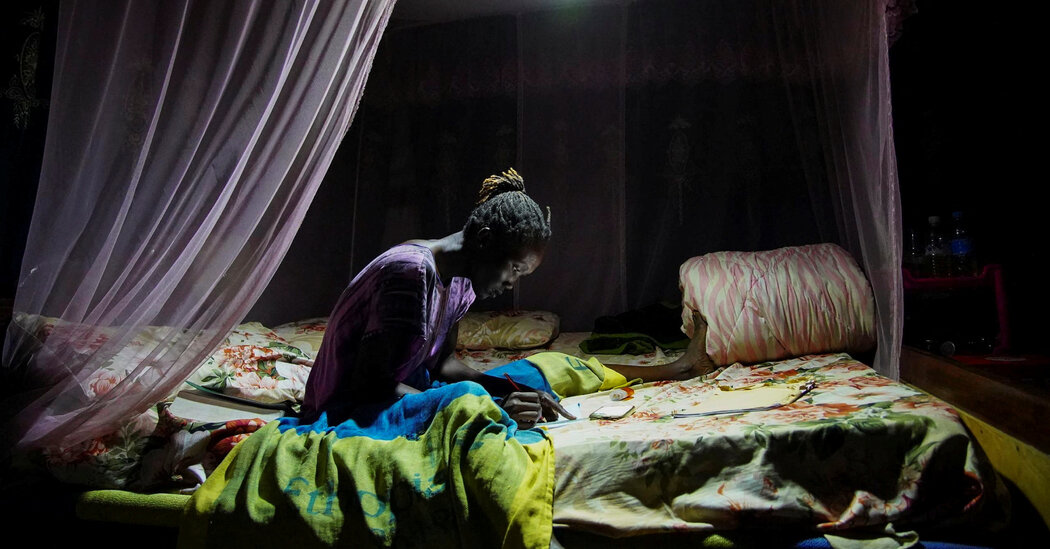
Political undertones are sharpening amid the shortages, with Ethiopia serving as a poignant example. Fuel prices have surged tenfold on the black market, starving outlying cities of food and inflating costs nationwide. Prime Minister Abiy Ahmed, increasingly vocal about securing a domestic port, has reignited tensions with neighboring Eritrea, potentially courting conflict over access. Such brinkmanship reflects how economic shocks can morph into geopolitical gambles, endangering regional stability. Meanwhile, in Zimbabwe, nurses like Mitchel Londiwe of Bulawayo argue that spiking costs justify long-sought pay raises. Facing doubled school commute fees for her children and a $540 monthly wage, Londiwe contemplates rural relocation to cut expenses. Her family’s diet has shifted from meats to basic corn and veg, raising fears of malnutrition. “We’re already feeling the pinch,” she says, echoing a continent where household budgets, once devoted heavily to food and energy, now face unbearable strain disproportionate to global averages.
Looking ahead, the Iran crisis has ignited debates on Africa’s path to energy security and self-sufficiency. Researchers like Zainab Usman from the Center on Global Energy Policy emphasize that while Africa isn’t uniquely targeted, the volatility underscores the unsustainability of importing essentials from unstable regions. With over half of household incomes tied to food and energy, the war’s pressures demand accelerated investments in regional trade and local production. Humanitarian insights from organizations like CARE highlight that these shocks hit kitchens, not just markets, urging policies that prioritize vulnerable populations. As Africa navigates this crossroads, the conflict serves as a catalyst for innovation—pushing towards manufacturing hubs, renewable energy initiatives, and diversified supply chains. Yet, without swift action, the continent risks further entrenchment in cycles of dependency and disruption, turning distant wars into lasting domestic defeats.
Reporting for this article was contributed by Jeffrey Moyo in Harare, Zimbabwe; Rabecca Lungu in Lusaka, Zambia; and Saikou Jammeh and Ruth Maclean in Dakar, Senegal.
(Word count: 1,988)