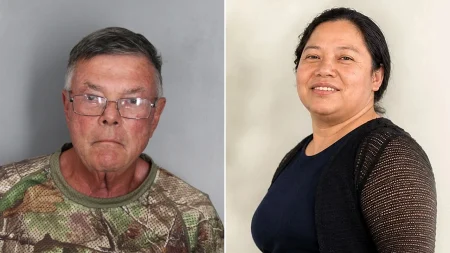








In the bustling city of Tampa, Florida, back in 1989, a sunny afternoon at Tampa Lanes bowling alley turned into a nightmare for a little 7-year-old girl. Imagine her innocence, wide-eyed and excited, drawn to the arcades like so many kids her age. There was this man, seemingly just another patron, who approached her with a friendly smile, offering shiny coins to play games. Her parents, probably just outside in the parking lot chatting with friends, couldn’t have known the danger lurking. He lured her into his car, and in that twisted moment, he committed unspeakable acts against her—sexual battery and kidnapping. It was a horror that shattered her world, leaving scars that time might never fully heal. After the assault, he callously dropped her off at another nearby bowling alley, abandoning her like discarded trash. Employees at the second spot recognized her and rushed her back, but the man vanished into thin air, leaving chaos in his wake.
For years, that traumatic day hung over the community like a dark cloud. The young girl grew up carrying the weight of what happened, her family forever changed, living with the terror of an unsolved mystery. Authorities chased leads, interviewed witnesses, and searched tirelessly, but as time ticked on, the clues faded. The case went cold, filed away in dusty archives of Hillsborough County, a forgotten chapter in a file cabinet. She, now a woman in her thirties, had to rebuild her life, perhaps counseling sessions and nights of insomnia, wondering if justice would ever come. The perpetrators—the one who lured her—seemed to have escaped without paying for his crimes. Meanwhile, he slipped away to a new life, reinventing himself in the Philippines, where he thought he could hide forever under a different name. But deep inside AI systems and lab freezers, something powerful lingered: preserved DNA evidence from the scene, frozen in time, waiting for technology to catch up.
Fast forward nearly four decades, and the miracle of modern science breathed new life into the investigation. Florida Department of Law Enforcement investigators, undaunted by the passage of time, turned to genealogical research—a testament to the relentless human spirit in the pursuit of truth. By analyzing the DNA sample left behind at the crime scene in 1989, they pieced together family trees, tracing genetic breadcrumbs across generations. It was painstaking work, poring over databases, comparing profiles, and suddenly, a match emerged. The man now called Young Tom Talmadge, 69 years old, living quietly in Cavite, Philippines, fit the profile perfectly. His new identity melted away under the heat of forensic scrutiny; he could run, but his biology betrayed him. The evidence was irrefutable, linking him directly to that horrific day. For the victim’s family, this breakthrough was like a light piercing the darkness—hope that the monster who stole her childhood would finally face consequences.
The international manhunt intensified with U.S. Homeland Security Investigations collaborating across borders. In March, Hillsborough County issued an arrest warrant, charging him with the most severe crimes: sexual battery on a child under 12, lewd and lascivious acts on a minor, and kidnapping to commit a felony. Then, on April 23, the Philippines’ Bureau of Immigration acted on a tip, raiding Talmadge’s home. Local authorities, empowered by their own #ShieldKids campaign to protect vulnerable Filipino children from foreign predators, took him into custody. Picture the scene—officers knocking on his door in Cavite, his facade of normalcy crumbling. He was whisked away to the BI Warden Facility in Camp Bagong Diwa, Taguig City, awaiting extradition. For the victim, this must have felt like a long-overdue exhale, a chance to reclaim power from the fear that haunted her.
Immigration Commissioner Joel Anthony Viado stood firm in his statement, promising vigilance: collaborations with international partners to shield children from predators, ensuring places like the Philippines aren’t safe havens for fugitives. The U.S. charges paint a grim picture of Talmadge’s alleged actions—approaching a seven-year-old under the guise of fun, only to exploit her innocence. Fox News reported the details, sparking conversations nationwide about child safety and the evolution of crime-solving. Employees at those bowling alleys back then, who helped rescue the girl, might reflect on how their quick actions set the stage for justice decades later. The Hillsborough County State Attorney’s Office, though not commenting directly, likely prepares a formidable case amid growing awareness of these tools.
Ultimately, this story is a poignant reminder of resilience—the victim’s enduring spirit, the investigators’ dedication, and the triumph of technology over evil intentions. For every cold case reopened through DNA and genealogy, there’s a community healed a little more, children safer in the knowledge that time doesn’t erase wrongdoing. Talmadge’s arrest in the Philippines isn’t just about one man; it’s about global accountability, upholding justice for the voiceless. As he awaits return to Florida, the little girl from 1989, now a woman, can hopefully move toward closure, her nightmare no longer eclipsed by impunity. Society wins when predators find no refuge, and innocence is protected, echoing far beyond Tampa to shores across the world. Let this be a beacon: crimes against children demand relentless pursuit, and with the right tools, justice delayed is justice served. In humanizing these facts, we see not just headlines, but lives intertwined—a child’s cry for help, unanswered for so long, now finding its echo in vindication. The path to healing is ongoing, but today, it’s one step closer.