





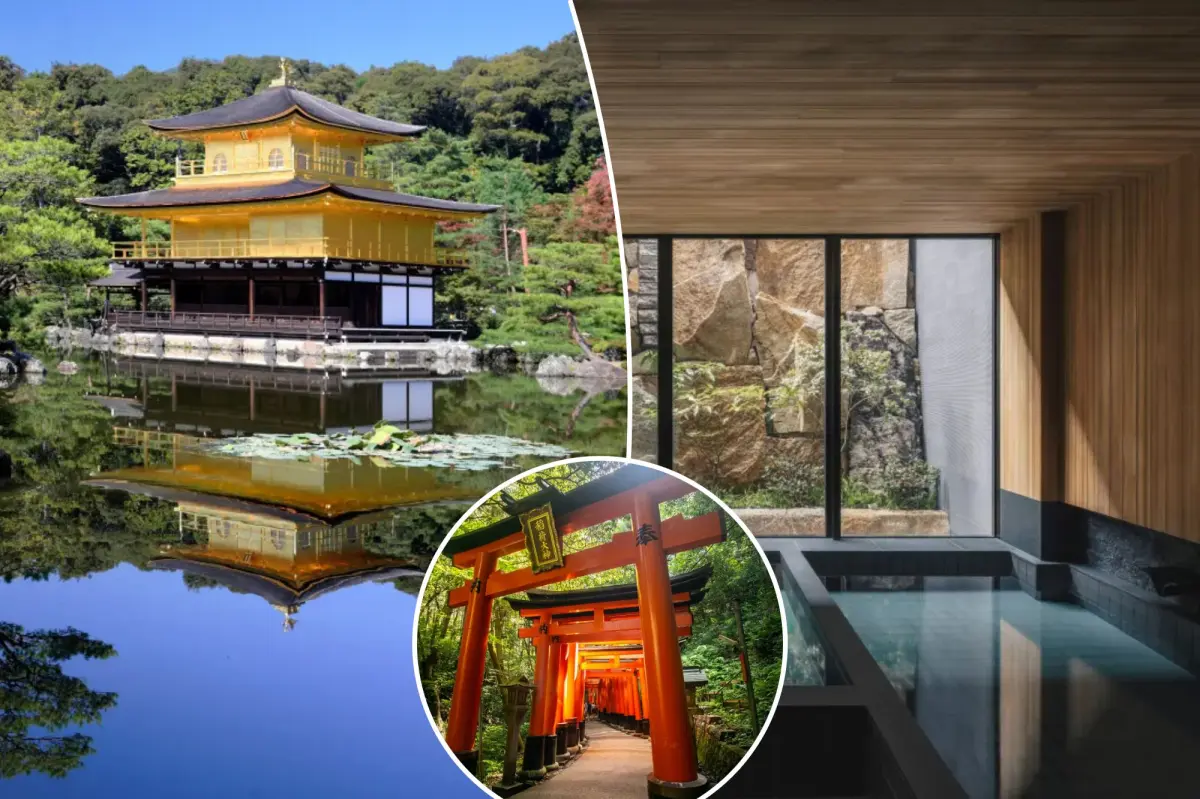
Kyoto, the ancient soul of Japan, whispers stories from a millennium past when emperors commanded from its imperial palace before Tokyo stole the spotlight in 1869. For 11 centuries, this city blossomed into a living tapestry of spiritual wonders—shrines carved from serene simplicity, towering pagodas echoing Chinese influences, and structures gilded in gold leaf that shimmered under cherry blossoms. Imagine strolling through these relics not as a tourist ticking boxes, but as a traveler connecting with the heartbeat of old Japan, where every alleyway and temple gate holds a secret from forgotten eras. It’s easy to picture yourself lost in this poetic maze, feeling the weight of history in the air, the scent of incense mingling with the gentle buzz of modern life. Kyoto isn’t just a place; it’s a sanctuary for the soul, reminding us that some cities defy time, preserving the essence of their past while adapting to the present.
Yet, this enchantment comes with a caveat: Kyoto’s popularity has skyrocketed post-pandemic, drawing hordes of visitors eager to witness its magic. With a population of 1.4 million, it’s a bustling metropolis that fiercely protects its old-world charm—think the iconic Kiyomizu-dera temple perched on stilts, the Golden Pavilion of Kinkaku-ji, and the silver serenity of Ginkaku-ji, all nestled among the narrow lanes of hanamachi, Kyoto’s geisha districts where tradition dances with everyday life. Travelers speak of it as a once-in-a-lifetime destination, a favorite that lingers in memories long after the jet lag fades. But the crowds? They’re relentless, especially during cherry blossom season when pink petals blanket the city like a soft, fleeting dream. To dodge the throngs, seasoned globetrotters swear by off-season visits and early morning shrine jaunts, but for those who crave exclusivity, luxury accommodations offer a velvet rope to privacy—private gardens, bespoke onsens, and reserved guides that transform overload into intimate discovery.
Enter the world of ultra-luxe havens, like the newly opened Capella Kyoto, which landed in March right in the pulsing heart of Miyagawa-chō, a geisha district alive with echoes of centuries-old performances. Tucked between the venerable Kennin-ji, Kyoto’s oldest Zen temple, and the whispering Kamo River, this 89-room retreat starts at just under $2,500 per night for two, crafting a narrative of nostalgia and modernity. Picture machiya-style wooden townhouses reimagined with Meiji-era flourishes, where traditional beams meet sleek, contemporary edges in rooms that feel like waking up in a dreamscape. Capella embraces Kyoto’s wellness heritage, but elevates it: their Auriga Spa houses three private onsen rooms fed by mineral-rich waters drilled from 2,985 feet below, offering “lunar-inspired” rituals that blend ancient baths with cosmic serenity. It’s not the typical ryokan communal soak; here, privacy reigns, catering to couples seeking solitude, those with tattoos barred elsewhere, or LGBTQ+ travelers craving safe, discrete luxury. The experience is transformative, a sanctuary where the city’s storied past mingles with personal renewal, making you feel seen and cherished in a world that often rushes by too fast.
Not far away stands Hotel the Mitsui Kyoto, a 2020 gem born near Nijo Castle, the historic crossroads where the last shogun, Tokugawa Yoshinobu, yielded in 1867, shifting Japan’s era from feudal isolation to modern awakening. This Marriott-linked retreat, boasting three Michelin keys, is lauded as Kyoto’s finest hotel, weaving elegance from a traditional four-season Japanese courtyard garden and a 300-year-old palace gate into 161 rooms designed by André Fu, minimalist yet opulent, where simplicity harbors depth. At around $875 per night for a deluxe room, it’s a steal for such prestige, aided by its Japanese identity that feels authentically local and special, attracting enthusiasts who savor the unfamiliar over predictable chains. Its crown jewel? The sprawling private onsen suites in the Thermal Spring Spa, powered by rare, deep-drilled waters that rival the city’s oldest traditions. Guests emerge refreshed, their stories enriched by bespoke experiences—perhaps a private garden tea ceremony or a chef’s meal curated from local artisans. Yet, Kyoto’s luxury scene doesn’t stop here; devotees of the Ritz-Carlton, Four Seasons, Park Hyatt, and Aman find their own devoted followers, each hotel a chapter in the city’s evolving tale of hospitality, where service is an art form and every detail whispers of cultural reverence.
In 2024, the Banyan Tree Higashiyama Kyoto and Six Senses Kyoto emerged, infusing even more wellness vitality into this ancient capital’s tapestry. Nestled in the serene Higashiyama Ward, the 81-room Six Senses draws from Kyoto’s Heian period (794-1185), evoking courtly rituals of elegance and ceremony that shaped Japan’s imperial lineage. Wander its public spaces and you’ll encounter a folding screen adorned with 504 handcrafted raku-yaki tiles, paying homage to the 12th-century Chōjū-jinbutsu-giga scrolls—”Scrolls of Frolicking Animals”—where whimsical beasts frolic in playful abandon, a lighthearted nod to Kyoto’s monastic gravitas. The spa marries “smart science” with Zen traditions, from hydrotherapy that balances bio-energy to meditations that calm the mind’s storm, all set against a backdrop of subtle luxury starting at about $1,100 per night. It’s not just a stay; it’s an immersion into wellness as ritual, where days blend into rediscovering balance, perhaps strolling to nearby temples or indulging in farm-to-table feasts that honor Kyoto’s artisanal roots. Meanwhile, the nearby 52-room Banyan Tree offers a boutique nod to contemporary Japanese design by starchitect Kengo Kuma, featuring a unique Noh dance stage where ancient performances echo in modern halls. Dubbed a “sanctuary for the senses,” it shines in its spa, pairing a private onsen with treatments like Balinese massages perfect for weary travelers who’ve knelt in reverence at one shrine too many. Priced from nearly $550 per night, it’s accessible luxury that democratizes exclusivity, allowing even spontaneous trips to blossom during peak seasons without the chaos of crowds.
Ultimately, Kyoto’s hotel renaissance means well-heeled travelers now have unparalleled access to its hidden gems, from booking cherry blossom getaways on a whim to savoring intimate experiences that echo the city’s timeless allure. As experts like travel agents Stephanie Conchuratt and Anna Tretter note, the surge of fresh, high-end openings has rejuvenated the scene, making Kyoto more welcoming than ever. It’s a city that invites you to slow down, to embrace its blend of tradition and innovation, where each hotel stay feels like a personal journey through Japan’s heart. For adventurers seeking more than surface sights, these havens provide gateways to authenticity—think shared stories over sushi in a private garden or moonlit soaks that wash away the world’s noise. Kyoto teaches us that luxury isn’t merely about opulence; it’s about connection, serenity, and the quiet joy of belonging to something ancient and alive. As more options emerge, travelers can craft narratives that feel uniquely their own, turning a visit into a cherished memory that lingers like the echo of a temple bell on a misty morning. And in a world chasing the next trend, Kyoto reminds us that some destinations are worth revisiting, evolving with us while staying true to their roots—a perfect balance of old-world magic and modern comfort that leaves you yearning for more.