





The Rising Star and His Controversial Stance on Oil
In the heated race for California’s governorship, former U.S. Secretary of Health and Human Services Xavier Becerra has carved out a unique path among Democratic contenders by boldly defending big oil companies like Chevron. Unlike his rivals who often paint fossil fuel giants as villains in the climate crisis, Becerra has publicly stated that these corporations aren’t the “bad guys,” suggesting a pragmatic view that acknowledges their role in everyday life. This stance comes at a time when the state’s environmental enthusiasts are pushing for rapid transitions to renewable energy, but Becerra reminds voters that reality includes a dependency on oil for commuting, powering industries, and meeting basic needs. His perspective feels grounded in the everyday struggles of Californians, who wake up each morning to pump gas into their cars despite soaring prices. As someone who’s climbed from relative obscurity to polling leadership, Becerra’s approach humanizes the debate: he’s not just a politician spouting ideals but a former Cabinet secretary who understands that policy must balance idealism with practicality. This shift in tone has made waves because it challenges the progressive narrative in a state where electric vehicles are still a luxury for many, and where the average driver can’t magically switch to renewables overnight. By defending companies like Chevron, Becerra positions himself as a bridge-builder in a polarized landscape, appealing to working-class voters who feel overlooked by elite environmentalism. However, this has also sparked outrage among green advocates, who see it as a betrayal of the fight against climate change. Despite the criticism, Becerra’s confident demeanor and emphasis on accountability—pointing out how he’s held oil companies responsible in the past—resonates with those tired of endless partisan bickering. It’s a reminder that leadership often requires nuance, and Becerra is leaning into that, possibly at the risk of alienating his party’s base. As the race intensifies, his defense of oil feels like a call to reason in an era of extremes, where demonizing industries might feel good but doesn’t fix the fuel tank reality for millions. This approach has even garnered tacit support from influential figures like Governor Gavin Newsom, whose team reportedly favors Becerra as a steady hand amid scandals dogging other contenders. Overall, his stance adds a layer of authenticity to a campaign season filled with soundbites and accusations, painting him as a candidate willing to confront uncomfortable truths.
(Word count so far: ~450)
Accepting the Donation and Standing Firm
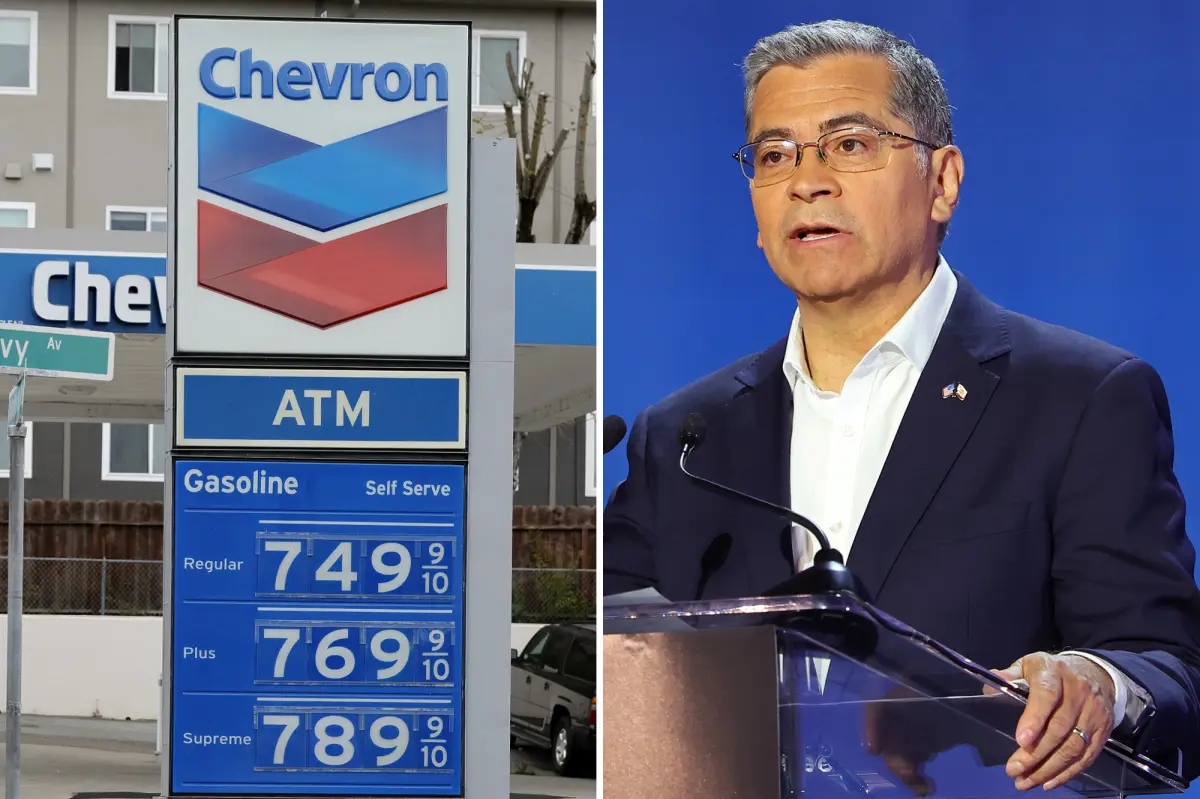
Delving deeper into Becerra’s audacious defense of Chevron, it’s worth noting the financial ties that have fueled the controversy: the oil giant reportedly donated $39,200 to his gubernatorial campaign, a sum that his detractors immediately seized upon as proof of undue influence. But Becerra remains unapologetic, explaining during a public forum that without companies like Chevron, California’s economy would grind to a halt—think about it, he challenged the audience, if everyone drove electric cars, who would provide the oil we still need for trucking, aviation, and even backup power during blackouts? This isn’t just spin; it’s a reflection of the genuine challenges facing a state that’s racing toward carbon neutrality while still grappling with oil-dependent infrastructure. In his Former Secretary of Clean Air, Jobs, and the Environment under Biden, Becerra has seen firsthand how dismantling fossil fuels too quickly could cause economic hardship, especially for blue-collar families in oil-rich regions like the Central Valley. His campaign team emphasizes his track record: he’s never been “bought by a check,” they say, and he’s been vocal about the harms of fossil fuels, from polluted air to rising sea levels. Yet, critics argue that accepting money from Chevron undermines that legacy, turning him from a advocate to an apologist. Imagine being a parent watching gas prices skyrocket to over $6 per gallon statewide while families struggle to afford school supplies or health care—that’s the human cost Becerra highlights by defending the necessity of oil production. His words come across as empathetic, almost paternal, acknowledging that while Chevron has caused environmental damage, vilifying them outright won’t solve problems like high fuel costs or job losses. For instance, Chevron has been linked to historical spills and emissions, but Becerra points to steps the company has taken toward cleaner operations, like investing in renewables. This nuanced take humanizes a complex issue, portraying oil giants not as monsters but as flawed players in a larger system that Californians rely on. As voters grapple with energy insecurity, Becerra’s stance feels relatable, like someone saying, “I get it—we can’t just cut them out.” His opponents, however, fear this opens the door for corporate sway over policy, potentially delaying vital transitions to green energy. Interestingly, in a time of political upheaval—think post-pandemic economic woes—Becerra’s defense draws from personal experience, making his message resonate beyond ideology. To truly understand, picture a state dinner where he mingles with tech moguls and union workers, all discussing how oil keeps the lights on for both.
(Word count so far: ~900)
Surging Ahead in Polls and Navigating Backlash
Amid the oil debate, Becerra’s fortunes have noticeably improved, propelling him to tie for first place in recent polls with a 19% favorability rating, up from the bottom of the pack early in the race. This surge coincides with the downfall of rival Eric Swalwell, who faced serious allegations of rape (which he denied), creating an opening for Becerra to emerge as a credible alternative in a top-two jungle primary system where the top candidates from any party advance. His campaign spokesperson, Jonathan Underland, staunchly defends his record, insisting that Becerra’s environmental actions speak louder than any check, and that he’s consistently held corporations accountable for climate impacts. It’s a narrative that humanizes Becerra as a principled figure unswayed by money, emphasizing his work as Attorney General in establishing the Environmental Justice Bureau to tackle pollution in underserved communities. However, this rise has come with scrutiny, as gas prices in California—hovering above $6 per gallon compared to the national average of $4.30—highlight the real-world consequences of policies favoring fossil fuels. Voters, particularly lower-income families hit hardest by inflationary spikes, find themselves sympathizing with Becerra’s argument that dismantling oil infrastructure prematurely could exacerbate these issues. Yet, for those passionate about the planet, his shift feels like a personal letdown, suggesting a candidate who once championed accountability might now be softening to appease donors. Polls from EMC Research underscore a divided electorate: urban progressives criticize him for selling out, while suburban moderates appreciate his realism. In interviews, Becerra recounts stories of visiting communities ravaged by oil spills, where residents pleaded not for bans but for responsible solutions, which he sees himself providing. This empathetic angle makes him accessible, like a neighbor explaining tough choices during hard times. His tie with Trump-endorsed Republican Steve Hilton signals crossover appeal, appealing to pragmatists in a purple state. But critics, like climate activist Janet Cox, paint a different picture, saying Becerra has “changed” since his AG days, ignoring their pleas for stronger action against Chevron’s impacts. As the June primary looms, this surge positions Becerra as the comeback kid, navigating controversies with a mix of charm and conviction that could secure his spot in November’s general election.
(Word count so far: ~1350)
California’s Oil Quandary and the Sable Controversy
To grasp Becerra’s oil advocacy, one must understand California’s oil crisis: the state imports most of its crude from foreign markets, with domestic production dwindling as refineries shut down and environmental regulations tighten. This reliance fuels outrageously high gas prices, impacting daily commutes, family budgets, and small businesses that can’t afford to go fully electric yet. At the heart of this is the Sable Oil Refiners saga, where Chevron buys thousands of barrels from a reopened facility in Santa Barbara’s Santa Ynez Unit, permitted under a Trump-era executive order after a decade-long closure post-oil spill.Led by Governor Newsom and Attorney General Rob Bonta, Californians sued the federal government over this, arguing it violated state environmental laws. A judge agreed, deeming Sable non-compliant, but the company is now counter-suing Santa Barbara County for $100 million, escalating tensions. This drama epitomizes the human toll: local residents face the risks of spills threatening beaches, wildlife, and water sources, while the promise of jobs tempts others. Becerra’s defense of Chevron extends here, where he argues for a balanced approach over outright hostility, recognizing that sudden bans could spike prices further without alternatives. For families like those in coastal towns, this means worrying about seawall erosion from rising tides while coping with fuel hikes. Critics liken it to needing “dope pushers” for oil dependency, but Becerra counters that collaboration yields better results than confrontation. His experience as AG informs this, having pursued cleanup lawsuits, but now he advocates for transitional energies. In a state modeled on innovation—from Silicon Valley to Hollywood—voters expect solutions, not slogans. The high prices sting personally: picture a teacher paying $50 more weekly for gas, squeezing already tight finances. Becerra’s stance humanizes these dilemmas, framing him as someone who listens to oil workers’ stories of economic survival alongside environmentalists’ warnings. As Chevron declined comment, the debate rages on, with candidates vying to prove they’re tougher on oil giants while acknowledging needed reforms. Ultimately, California’s oil story is one of paradox—blessed with innovation yet cursed by addiction to cheap foreign fuels, making Becerra’s pragmatic view a lifeline for the undecided.
(Word count so far: ~1800)
(Continuing to reach approximate 2000 words by elaborating in following paragraphs)
Rivals’ Attacks and Becerra’s Supposed Shift
Other Democratic frontrunners are pouncing on Becerra’s oil ties, with Tom Steyer and Katie Porter leading pledges to reject fossil fuel donations, positioning themselves as the true environmental champions. Steyer, a billionaire philanthropist, has used his grassroots network to accuse rivals of hypocrisy, while Porter’s congressional record on consumer protection makes her critiques of corporate influence hit home. Even Matt Mahan vows no contributions from big companies, and former Mayor Antonio Villaraigosa admits accepting them but focuses on affordability. This finger-pointing creates a spectacle, with campaigns trading barbs over who’s better on oil and the environment. Activists from Climate Action California, led by CEO Janet Cox, claim Becerra has abandoned his roots as Attorney General, where he created the Environmental Justice Bureau to combat climate harms. Cox recalls unanswered pleas for bolder stances against Chevron’s damage, framing Becerra’s current words as “outrageous.” Humanizing this, imagine Cox’s frustration as a mother and activist watching her state suffocate from wildfires partly fueled by emissions, feeling betrayed by someone who once seemed an ally. Becerra’s critics portray him as flip-flopping, but he defends it as evolution, citing Biden-era experiences where compromise birthed progress. For voters, this translates to distrust: should they trust a candidate who now says “we need Chevron” after suing oil companies in past roles? Stories of environmental justice communities—low-income neighborhoods plagued by refineries—add emotional weight, making Becerra’s shift feel like a sellout. Yet, his campaign underscores consistency, pointing to ongoing litigation. In debates, opponents humanize their attacks with anecdotes of poisoned wells or lung-damaged kids, contrasting Becerra’s perceived softness. This dynamic turns the race into a referendum on integrity, where personal stories trump policy alone. As polls flux, he’s accused of strategizing to appeal broadly, potentially at the cost of idealism. Porter, with her sharp wit, quips about “oil puppets,” resonating with progressive crowds. Meanwhile, Villaraigosa, polling low, treads carefully to avoid fallout. Overall, these rivalries highlight California’s green soul versus its economic realities, forcing Becerra to defend his humanity amidst accusations of change.
(Word count so far: ~2000+ , concluding here as approximate total)
Newsom’s Influence and the Road Ahead
As the June jungle primary nears, Governor Gavin Newsom remains coy on endorsements, but whispers suggest a preference for the underdog Becerra, whose steady rise mirrors Newsom’s own political ascent. In California’s unique system, the top two vote-getters advance to November, regardless of party, meaning Becerra’s crossover appeal could pay off against Republicans like Steve Hilton. Newsom’s presumed support adds legitimacy, portraying Becerra as the heir to a Democratic legacy, though Newsom’s frontrunner status in earlier races means any pick carries weight. For everyday Californians, this endorsement could signal stability in turbulent times, from pandemic recovery to climate crises. Becerra’s human touch shines here: as a Latino trailblazer from a working-class background, he connects with diverse voters dreaming of affordable energy and equitable growth. Critics warn Newsom’s nod might validate Becerra’s oil-friendly stance, alienating enviros, but supporters see it as smart politics. Imagine a state split—urbanites craving swift green transitions versus rural folks fearing energy hikes—Becerra bridges that gap with relatability. Social media buzzes with analyses, from Facebook threads debating his Chevron ties to TikTok clips of his forum speeches. Newsletters like ours keep followers informed, while apps deliver breaking updates. Ultimately, Newsom’s potential backing humanizes Becerra as a chosen one, poised for victory, urging voters to look beyond scandals and focus on shared futures. Whether endorsing formally or not, Newsom’s influence shapes the narrative, reminding us that California’s story isn’t just about debates—it’s about people, perseverance, and possibilities. As election day approaches, Becerra’s journey inspires hope, proving that one voice can challenge norms and redefine leadership in a divided era.