







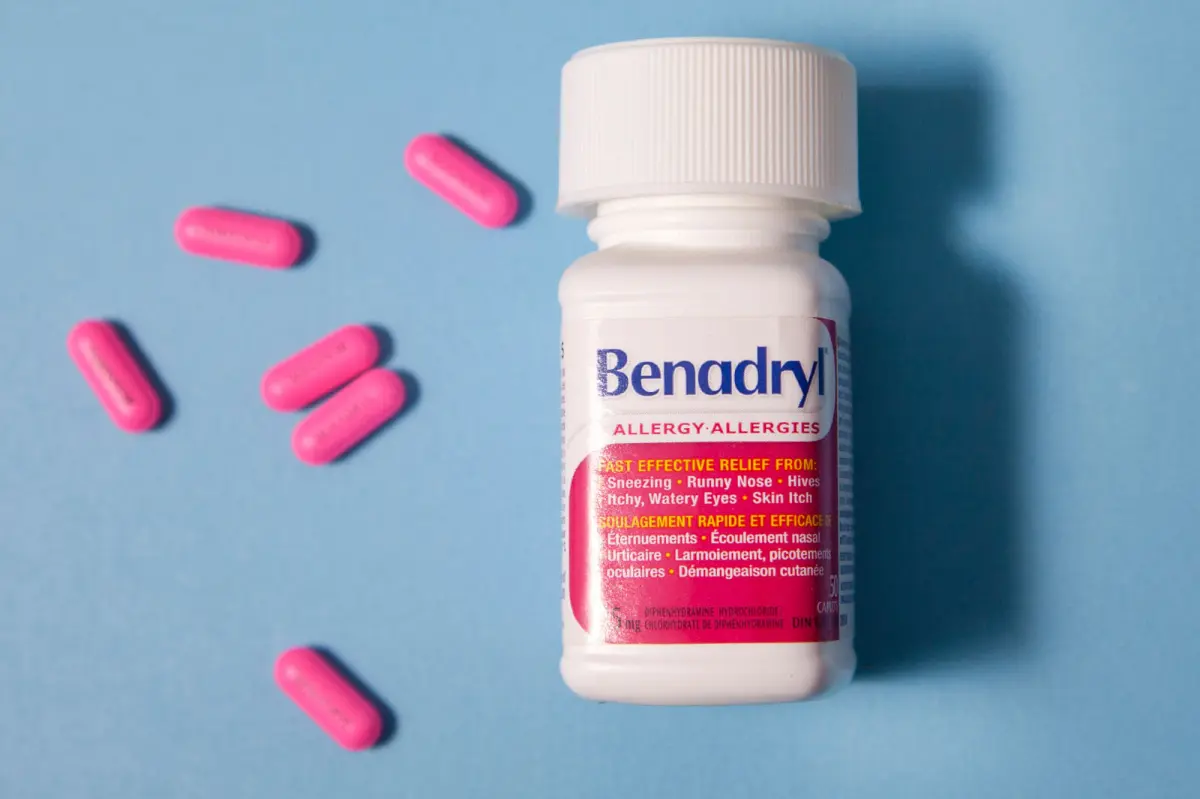
Doctors and health experts are sounding the alarm once more about a dangerous trend that’s making a comeback on social media platforms like TikTok. It’s been six years since the “Benadryl challenge” first went viral, captivating teens and pre-teens with its promise of a thrill. Back in 2018, videos flooded the app, showing young people daring each other to swallow excessive amounts of Benadryl, the common over-the-counter antihistamine, and then battle through the overwhelming drowsiness to push their bodies to a state of euphoria. Now, reports are surfacing of a resurgence, and parents are rightfully worried that their kids might stumble upon these provocative clips while scrolling mindlessly after school or late at night. Imagine being a parent: you’ve just tucked your 12-year-old into bed, assuming they’re dreaming peacefully, only to discover later that they’ve been watching friends online chase that forbidden high. Dr. Stephanie Felton, an associate medical director at Cook Children’s Hospital in Texas, talks about how these challenges exploit the curiosity of youth, where the allure of rebellion and quick thrills outweighs the whispers of common sense. The internet, with its endless feed of dares, becomes a virtual playground for risky behavior, and this time around, it’s not fading away as quickly as before. Hospital emergency rooms are seeing a spike in cases again, reminiscent of the peak in 2020, when the fad drew national attention. It’s not just a harmless game; it’s a potentially lethal one, and the re-emergence reminds us how social media can amplify dangers that feel distant but hit close to home. Parents might recall the height of the pandemic when screen time skyrocketed, fostering these trends, and now, with kids glued to devices post-COVID, the warnings feel even more urgent. Conversations in living rooms across the country are turning to these videos, with adults trying to decode the fascination. Why do kids engage? Some seek the rush, a break from the monotony of everyday life, while others simply want to impress peers or capture viral fame. The challenge taps into the human desire for excitement, but at a terrifying cost, as doctors emphasize the real risk to young lives. It’s a stark reminder of how quickly a fun idea online can spiral into a public health crisis, urging families to monitor their children’s digital habits more vigilantly than ever.
At its core, the Benadryl challenge involves deliberately overdosing on diphenhydramine, the active ingredient in Benadryl that’s designed for mundane uses like easing allergy symptoms. Approved by the FDA for treating runny noses, sneezing, or itchy eyes from colds or seasonal allergies, this medication is meant to be a safe helper in everyday medicine cabinets. When taken as directed—a recommended adult dose is typically 25 to 50 milligrams a few times a day—it blocks histamines in the body, offering relief without much fuss. But the challenge twists this benign drug into something sinister: participants gulp down dozens of pills, far exceeding safe limits, aiming to induce a “high” by resisting the intense sleepiness that follows. Picture a teenager in their messy bedroom, heart pounding with adrenaline, popping pill after pill while their friends on video cheer them on. The drowsiness hits like a wave, but the goal is to stay awake, forcing the body into an altered state that mimics intoxication. Doctors explain that diphenhydramine affects the brain’s chemical messengers, leading to that hazy, dissociated feeling so coveted in these dares. Yet, what starts as a defiant act often turns painful; the drug isn’t sedated cocaine or alcohol—it’s an antihistamine hijacked for thrills. Teens might rationalise it as “just Benadryl,” believing the worst is a nap, but experts warn it’s far from harmless. In fact, it’s the availability—sold freely at pharmacies and stores without a prescription—that makes it accessible to vulnerable minds. Parents stockpiling it for hay fever season never imagine it could be repurposed for harm, but that’s the reality of this challenge. It’s human nature to seek shortcuts to happiness, and for some kids navigating adolescence, this feels like an easy one, despite the mounting evidence that it leads down a dangerous path. The drug’s reputation as reliable allergy relief blinds many to its darker potential when misused, highlighting the importance of education over mere restriction.
The dark side of this misuse unfolds through a cascade of serious health consequences, turning what seems like a playful experiment into a medical nightmare. Taking